
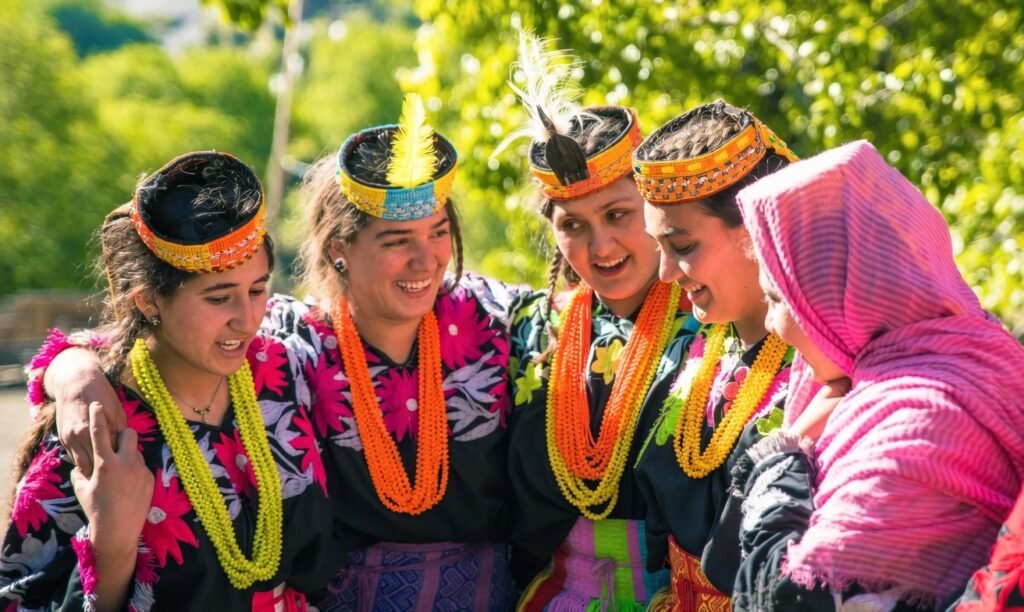
PESHAWAR GNP: The Kalasha Valley Cultural Landscape in Pakistan stands as one of the most remarkable examples of a living mountain heritage in South Asia. Located in the remote valleys of Bumburet, Rumbur, and Birir in Chitral, Khyber Pakhtunkhwa, this cultural landscape is not just a scenic destination. It is a continuously inhabited environment where daily life, religion, settlement patterns, agriculture, and community traditions remain deeply connected to the surrounding mountains and forests.
Unlike archaeological sites that preserve only the traces of the past, the Kalasha landscape continues to function as a living cultural system. The Kalasha people have maintained their own distinct identity for centuries, shaped by geographic isolation and by the strong relationship between their community and the natural environment. Their traditions have survived because the valleys themselves have supported a way of life built on customary knowledge, local governance, seasonal cycles, and sacred geography.
At the heart of this landscape are sacred places that continue to play an active role in spiritual life. These include ritual spaces such as Jach and Prabazone, along with community temples, ceremonial halls, dance grounds, and bathing or sacrifice sites used during festivals and funerary rites. Places such as Battrik Jach, Ghurm Jach, Shahi Jach, Saji Gur Prabazone, Jastak Han, Natikeyin, Kalik, Palawjaw, Kundrik, and Praghein Tuk are not preserved simply as heritage objects. They remain active locations where rituals, prayers, offerings, music, and communal gatherings are still carried out according to long-established customs.
The landscape is also shaped by a wider network of agricultural fields, forest areas, rivers, and high-altitude grazing lands. These elements are not separate from the culture of the Kalash people; they are part of the same living system. Village placement, land use, and the protection of sacred spaces reflect a careful balance between practical needs and spiritual values. For generations, the Kalasha community has managed these resources through orally transmitted traditions and customary laws, showing a strong ecological awareness and a sustainable approach to mountain life.
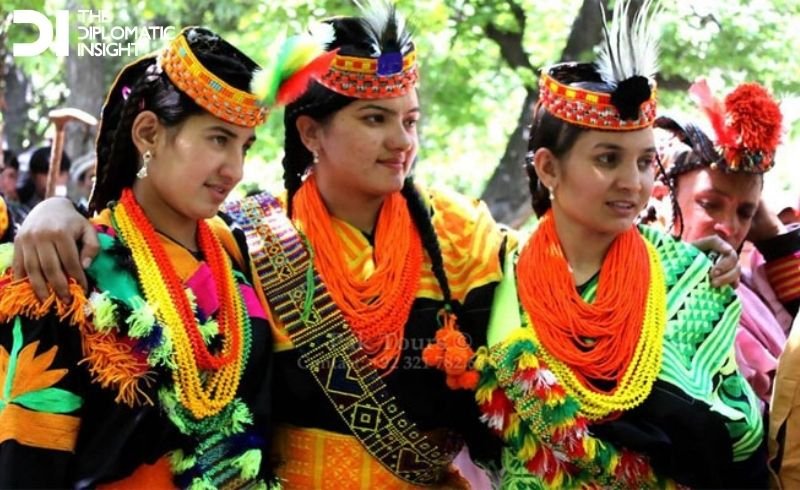
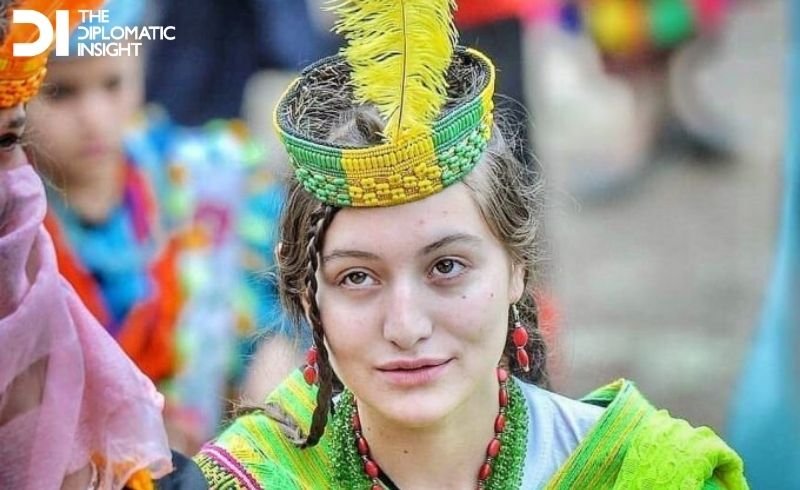
The cultural value of the Kalasha Valley is equally visible in its intangible heritage. Festivals, ritual processions, oral narratives, traditional music, dance, and distinctive dress all remain central to community identity. These performances are tied to specific places and seasons, which means culture in the Kalasha valleys is experienced through the landscape itself. Seasonal celebrations such as Chawmos and other ritual observances mark the agricultural year and reinforce social unity, religious belief, and continuity between generations.
The Outstanding Universal Value of the Kalasha Valley Cultural Landscape lies in three major qualities. First, it is a rare and continuous example of a living indigenous cultural tradition that has endured in its original setting for centuries. Second, it shows a close and functioning relationship between tangible heritage, such as sacred buildings and ritual grounds, and intangible heritage, such as ceremonies, festivals, and oral knowledge. Third, it demonstrates a sustainable way of living in a fragile mountain environment, where human settlement, religious practice, and ecological stewardship have evolved together over time.
Also Read: World Heritage Day: Safeguarding Pakistan’s Cultural Legacy for a Sustainable Future
The property is especially important because its heritage is not frozen in the past. It is active, changing, and still meaningful to the people who live there. The Kalasha community continues to transmit its beliefs, stories, and customs from one generation to the next, while maintaining places that support worship, ceremony, and social life. This ongoing continuity is what makes the Kalasha Valley Cultural Landscape exceptional in the eyes of heritage institutions.
In recent years, the growing recognition of the Kalasha valleys has drawn greater attention to both their cultural significance and the need for protection. UNESCO’s tentative listing of the Kalasha Valleys in April 2026 reflects international acknowledgement of the site’s importance as a cultural landscape. It also highlights the need for careful conservation so that tourism, development, and outside pressures do not weaken the traditions that have survived there for so long.
The Kalasha Valley Cultural Landscape is therefore more than a heritage site. It is a living example of how a community, its beliefs, its architecture, and its environment can remain inseparable and mutually supportive over centuries. Its value lies not only in what it preserves, but in what it continues to practice every day.
Governor Hails ‘Long Overdue’ Recognition for Kalasha Valley
KP Governor Faisal Karim Kundi welcomed the development on X, calling it a “major milestone.”
He noted that KP is “home to some of the world’s most breathtaking landscapes and unique cultural traditions, and this recognition is long overdue.”
“A well-deserved moment that brings global attention to the beauty and heritage of our region,” Kundi added.