Islamabad (GNP) :- Every year on 18 April, the International community observes World Heritage Day (International Day for Monuments and Sites) to celebrate the richness and diversity of cultural heritage and to reaffirm our shared responsibility to safeguard it for future generations.
The theme for 2026, “Emergency Response for Living Heritage in Contexts of Conflicts and Disasters,” highlights the urgent need to protect not only physical sites but also the living heritage, traditions, practices, and knowledge systems, that are particularly vulnerable in times of crisis.
It underscores the importance of preparedness, community-based approaches, and rapid response mechanisms to ensure the continuity of cultural practices, while calling for stronger integration of heritage safeguarding into disaster risk reduction and development planning frameworks.
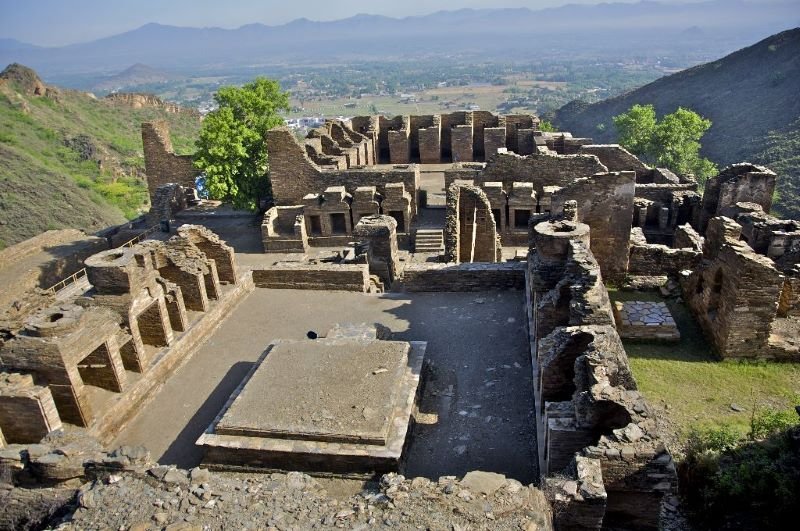
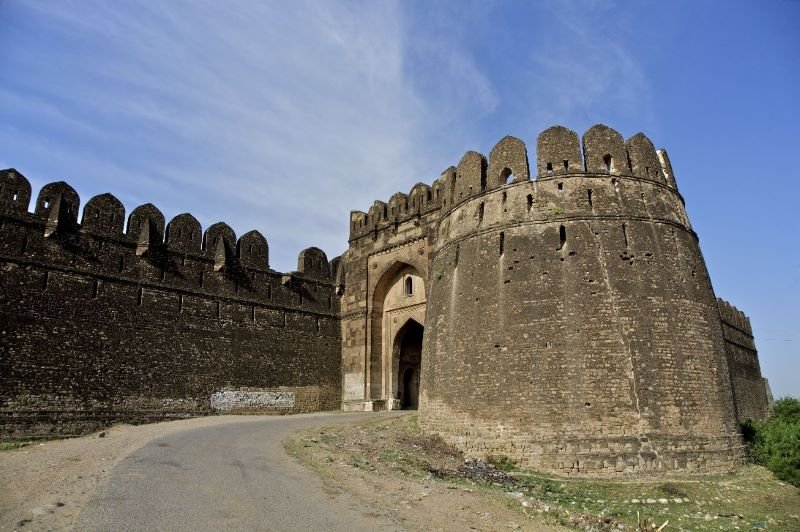
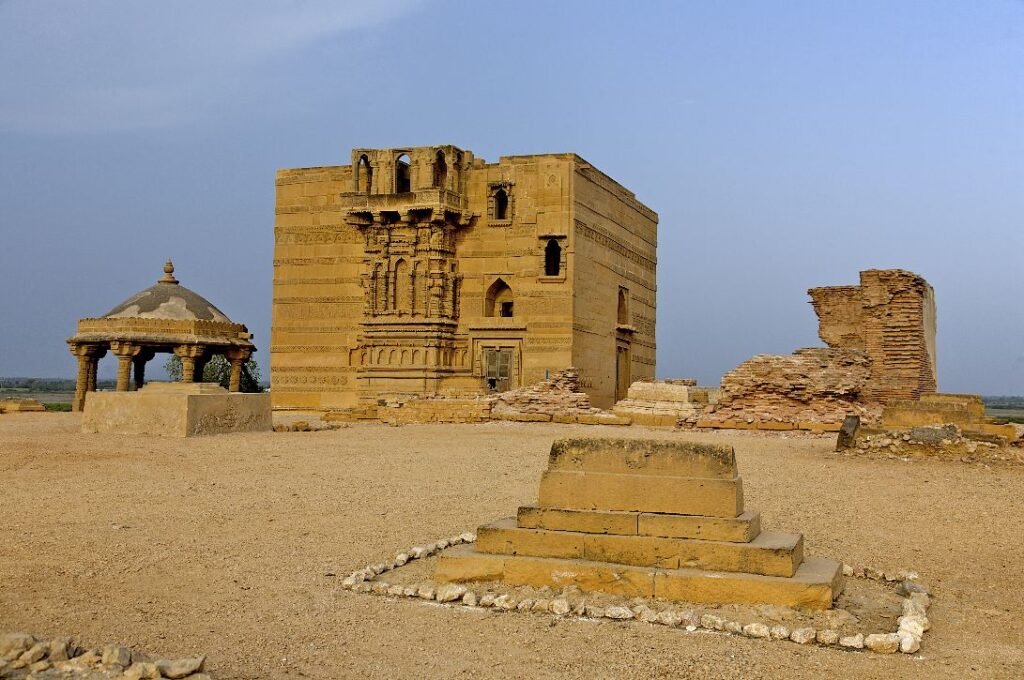
Pakistan is endowed with an exceptionally rich and diverse cultural heritage that spans from the ancient Indus Valley Civilization to Gandhara art, Islamic architecture, and vibrant living traditions. This legacy is reflected in its six UNESCO World Heritage Sites: the archaeological ruins of Mohenjo-daro, the Buddhist Ruins of Takht-i-Bahi and Neighbouring City Remains at Sahr-i-Bahlol, the Taxila, the Historical Monuments at Makli, the Lahore Fort and Shalimar Gardens, and the Rohtas Fort. These sites are not only symbols of national pride but also key anchors for tourism and local economies.
However, six World Heritage Sites do not fully reflect the immense cultural wealth of Pakistan. Despite having a strong Tentative List, no new site has been inscribed on the World Heritage List since 1997. This is not due to a lack of potential but rather reflects challenges in meeting the evolving requirements for World Heritage protection, which have become more demanding in response to increasing threats from climate change and urban pressures.
In particular, there are gaps in ensuring robust protection systems, effective management frameworks, and long-term conservation planning. Strengthening institutional capacity and integrating heritage management into broader governance systems are therefore essential—not only to advance future nominations, but also to ensure that existing World Heritage properties are adequately safeguarded and do not face the risk of being placed on the List of World Heritage in Danger.
A critical issue highlighted by World Heritage Day is the need to mainstream heritage protection within national and urban development frameworks as well as ensure compliance to the international standards of conservation. Cultural heritage sites across Pakistan are increasingly exposed to pressures from urban expansion, infrastructure development, encroachments, environmental degradation, and, in some cases, interventions that do not fully align with international standards of conservation and restoration.
The World Heritage Convention, along with its Operational Guidelines, provides clear guidance to States Parties on safeguarding these properties. In particular, Paragraph 172 encourages States to inform and seek guidance from UNESCO on any major restoration, development, or infrastructure projects that may impact the Outstanding Universal Value (OUV) of a site. Adherence to these provisions, along with internationally recognized conservation charters and standards, is essential to ensure that development and heritage protection go hand in hand. UNESCO continues to advocate for a balanced approach, one that supports development while safeguarding the authenticity, integrity, and long-term sustainability of heritage assets.
At the same time, heritage protection offers immense opportunities for sustainable development. Well-managed heritage sites can generate employment, promote cultural tourism, support local crafts and creative industries, and contribute to inclusive economic growth. Moreover, heritage conservation is closely linked with environmental sustainability, as traditional knowledge systems and historic landscapes often embody practices that promote resilience and harmony with nature.
UNESCO has been actively supporting the Government of Pakistan in addressing these challenges and strengthening heritage management systems. Efforts include raising awareness on the importance of safeguarding heritage in line with international standards, as well as providing technical support for the development of integrated management plans for World Heritage Sites.
UNESCO organized a training workshop on World Heritage management from 26–29 January 2026 in Peshawar engaging site managers and Director Generals, focusing on the preparation of management plans and the revision of Pakistan’s Tentative List. In addition, UNESCO has been supporting disaster risk reduction and conservation efforts at key sites such as Mohenjo-daro, Makli, and Takht-i-Bahi, alongside capacity-building of technical staff in restoration techniques aligned with international best practices.
On this World Heritage Day, the message is clear, that safeguarding Pakistan’s cultural heritage is not only a responsibility but an opportunity. By integrating heritage protection into national development policies, strengthening institutional capacities, and compliance to international standards of conservation, Pakistan can unlock the full potential of its cultural assets, for economic growth, environmental sustainability, and the well-being of future generations.

Sohail Majeed is a Special Correspondent at The Diplomatic Insight. He has twelve plus years of experience in journalism & reporting. He covers International Affairs, Diplomacy, UN, Sports, Climate Change, Economy, Technology, and Health.