ISLAMABAD (GNP): Diplomatic talks between the United States and Iran, scheduled to convene Friday at the Swiss mountain resort of Buergenstock, were called off after renewed hostilities in southern Lebanon cast doubt over the prospects of converting a fragile interim agreement into a lasting regional settlement.
Lebanon’s health ministry confirmed that at least 18 people were killed and 33 others wounded in Israeli airstrikes across eleven southern towns in the hours leading up to Friday. The Israeli military separately reported the deaths of four of its soldiers in Lebanon, attributing the incident to Hezbollah militants. Israeli forces stated that the strikes targeted Hezbollah operatives and infrastructure and were carried out in response to what Israel described as repeated violations of existing ceasefire arrangements by the Iran-backed group.
Switzerland’s foreign ministry confirmed the postponement in a formal statement, noting that Bern remained prepared to facilitate the talks and that preparatory work was continuing. US Vice President JD Vance, who had been expected to lead the American delegation, withdrew from travel plans on Thursday, according to two sources familiar with the matter. Iran’s designated lead negotiator, Mohammad Baqer Qalibaf, was similarly reported by a separate source to have not planned to attend.
A senior Hezbollah lawmaker, Hassan Fadlallah, stated that Iran had communicated to the group that further negotiations with Washington could not proceed without a comprehensive ceasefire in place. He indicated that Lebanon’s government should reject direct talks with Israel for as long as Israeli military operations continue. The remarks underscored a central obstacle facing diplomats: the interim accord requires all parties, the United States, Iran, and their respective allies, to declare an immediate and permanent end to military operations across all active fronts, including Lebanon.
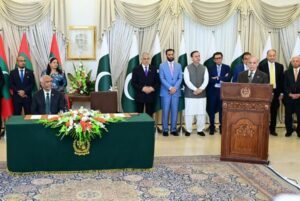
The memorandum of understanding signed earlier this week by the Iranian and US presidents set aside the most contentious issues, including the status of Iran’s nuclear programme, for negotiation within a 60-day window. The agreement provides Iran with relief from economic sanctions, the unfreezing of tens of billions of dollars in assets, and immediate waivers on oil exports. It also envisions a reconstruction fund of 300 billion dollars for Iran and other financial incentives, with Washington additionally seeking to address Tehran’s long-range missile capabilities during the extended talks.
Israel, which was excluded from the bilateral framework, has stated that it regards itself as not bound by the terms of the deal. Lebanese President Joseph Aoun condemned the latest Israeli strikes but said the escalation would not derail efforts to achieve a broader ceasefire. Lebanon was drawn into the regional conflict on March 2 when Hezbollah opened fire on Israeli positions, triggering an Israeli military offensive and ground incursion into the country’s south.
The broader conflict, which began on February 28 with US and Israeli strikes on Iran, has claimed at least 7,000 lives, predominantly in Iran and Lebanon. Globally, the war drove energy prices higher and contributed to inflationary pressures. Oil prices have since eased after the interim deal was announced, as tankers resumed movement through the Strait of Hormuz, a waterway that carries roughly one-fifth of global crude oil and liquefied natural gas supplies and had been effectively blockaded by Iran during the conflict.
Also Read: WHO Strengthens Coordinated Ebola Response Efforts in the DRC
The body managing the Strait of Hormuz announced Friday that transit fees would be waived for the duration of the 60-day negotiating period. Ships seeking passage are required to submit transit requests at least 48 hours in advance, with waivers applying to security, safety, environmental services and related insurance charges.
The postponement has introduced new uncertainty into a diplomatic process that US officials had described as an opportunity to reach an agreement stronger than the 2015 nuclear accord, which President Trump withdrew from during his first term. Critics have argued that Iran, having weathered a superpower military campaign, demonstrated strategic control of the Strait of Hormuz and secured early sanctions relief, and that it enters the formal negotiations from a position of relative strength.

Managing Editor at Global News Pakistan (GNP), with a Bachelor's degree in International Relations from Riphah International University, graduated with a Gold Medal. Reach out at sabahtareengnp@gmail.com