Brazzaville (GNP): The World Health Organization (WHO) continues to intensify its response to the Ebola outbreak in the Democratic Republic of the Congo (DRC), emphasizing coordination, rapid action, and effective field operations to contain the spread of the disease and protect vulnerable communities.
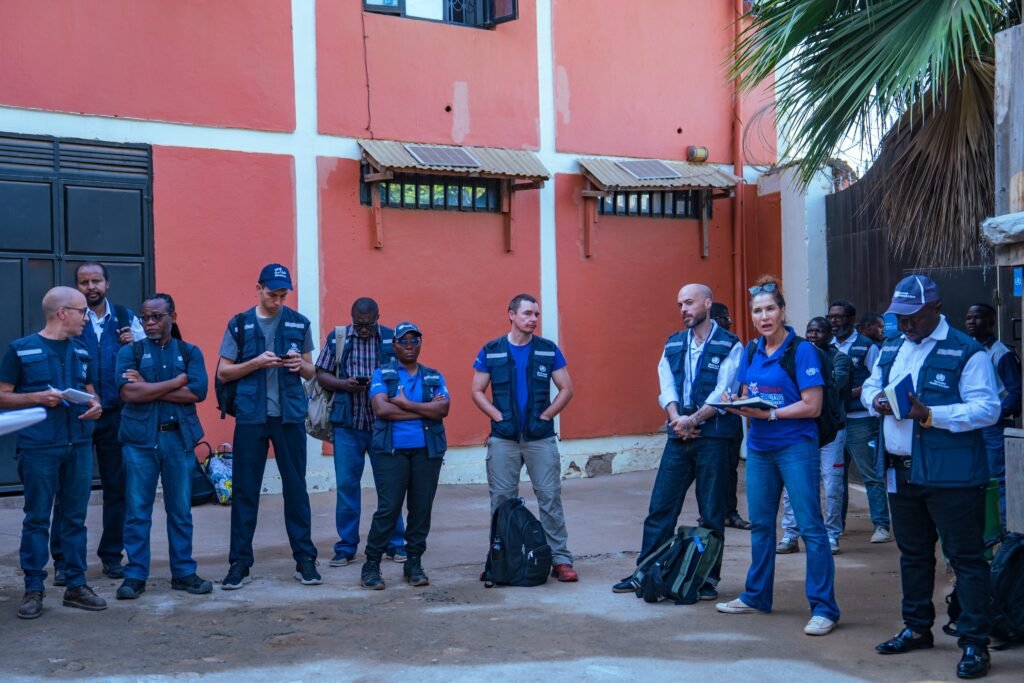
According to the WHO African Region, teams supporting the Ebola response in the DRC convene every morning to review the latest developments, assess ongoing activities, and align operational priorities. These regular coordination meetings play an important role in ensuring that response efforts remain timely, organized, and effective in addressing emerging challenges on the ground.
The Democratic Republic of the Congo has faced several Ebola outbreaks over the years, requiring sustained collaboration among national authorities, international organizations, healthcare workers, and local communities. The current response highlights the importance of preparedness, surveillance and rapid intervention in preventing further transmission of the virus.
WHO officials noted that daily coordination meetings enable response teams to evaluate epidemiological data, monitor suspected and confirmed cases, assess healthcare needs, and identify areas requiring immediate attention.
By bringing together experts from different sectors, these discussions facilitate informed decision making and help optimize the use of available resources.Field teams continue to work closely with local health authorities to strengthen disease surveillance systems, conduct contact tracing, support laboratory testing, and provide treatment and care services to affected individuals. These efforts are essential in identifying potential cases early and preventing the virus from spreading within communities.
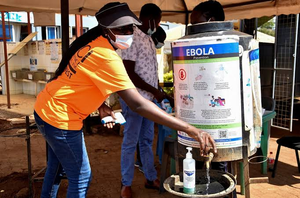
Community engagement remains a central pillar of the Ebola response strategy. WHO and its partners are working with community leaders, health workers, and local organizations to raise awareness about prevention measures, promote early reporting of symptoms, and address misinformation that can hinder public health interventions.
Building trust within communities is considered vital to ensuring the success of outbreak containment efforts.Healthcare workers remain at the forefront of the response, often operating in challenging environments to provide life saving services. WHO continues to support frontline personnel through training, technical assistance, protective equipment, and operational guidance to strengthen their ability to respond safely and effectively.
Also Read: AKUH Signs Agreements to Bring Robotic Surgery to Pakistan
The organization has also emphasized the importance of maintaining essential health services while responding to the outbreak. Ensuring access to routine healthcare, vaccinations, maternal and child health services, and emergency medical care remains critical to protecting overall public health and preventing additional health crises.
WHO reiterated that coordinated action among governments, international partners, and affected communities is essential for controlling Ebola outbreaks and reducing their impact. The organization continues to monitor the situation closely and adapt its response based on evolving needs and emerging evidence.
The ongoing efforts in the Democratic Republic of the Congo demonstrate the importance of preparedness, collaboration, and resilience in responding to public health emergencies. Through daily operational reviews and coordinated field activities, WHO and its partners remain committed to protecting lives, supporting affected communities, and working toward the successful containment of the Ebola outbreak.