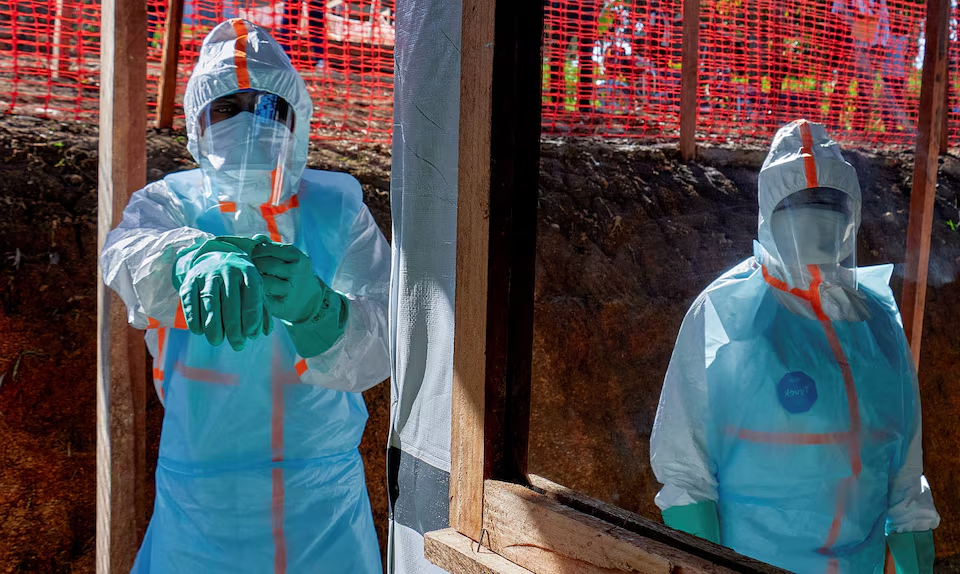
BUNIA, (GNP): The World Health Organization confirmed Sunday that five healthcare professionals, including four nurses and a laboratory technician, have successfully beaten the Bundibugyo strain of the Ebola virus and have been discharged from a medical facility in Bunia, the provincial capital of Ituri in eastern Democratic Republic of Congo. Health officials described the recoveries as an encouraging development amid one of the most serious Ebola outbreaks recorded in the country’s history.
WHO Director-General Dr. Tedros Adhanom Ghebreyesus, who visited Bunia on Saturday to oversee and rally the ongoing emergency response, acknowledged the gravity of the situation while striking a note of measured optimism. He stressed that while no licensed vaccine or approved therapeutic currently exists specifically targeting the Bundibugyo strain of the Ebola virus, survival remains achievable when patients receive timely diagnosis and access to quality medical care.
Health officials further noted that additional recoveries are anticipated as outbreak response operations are scaled up and as early detection mechanisms improve across affected communities. The WHO has underscored that swift medical intervention remains the single most critical factor in improving patient survival outcomes during the current crisis.
OUTBREAK STATISTICS AND EMERGENCY DECLARATION
Official data released by the DRC Communications Ministry confirmed that the total number of laboratory-verified Ebola cases within the country has climbed to 282, following the confirmation of 19 newly positive test results. The outbreak has so far claimed 42 lives.
Earlier in May, the WHO formally designated the Bundibugyo Ebola outbreak affecting the Democratic Republic of Congo and neighbouring Uganda as a Public Health Emergency of International Concern, the organisation’s highest level of alert for disease events with cross-border implications. Authorities clarified, however, that the current situation does not meet the separate and more stringent threshold required for classification as a pandemic emergency.
The ongoing outbreak is the seventeenth Ebola event recorded on Congolese soil and ranks as the third largest since the virus was first identified five decades ago. Global health analysts have warned that the international community’s response was slow to mobilise, and that the outbreak continues to accelerate at a pace that is straining available containment resources.
SUSPECTED CASES EMERGE BEYOND THE AFRICAN CONTINENT
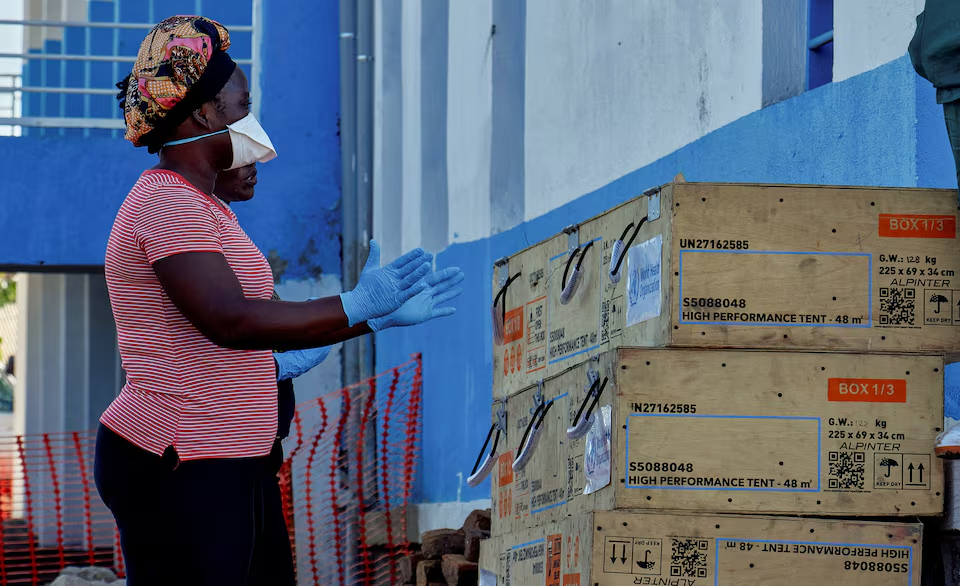
International health authorities are monitoring a number of suspected Ebola cases outside Africa, linked to individuals who had recently traveled to outbreak-affected regions.
Brazil: Health officials in the state of São Paulo reported Sunday that a Congolese national presenting with fever and other symptoms consistent with Ebola, following a recent visit to the DRC, subsequently tested positive for meningitis. A separate suspected case was also reported in Rio de Janeiro, where a patient who had recently returned from Uganda tested positive for malaria. In both instances, local health authorities confirmed that these alternative diagnoses do not conclusively eliminate the possibility of concurrent Ebola infection, and further investigation is underway.
Italy: Emergency health protocols were activated in Cagliari, the capital of the Italian island of Sardinia, after a symptomatic individual was admitted to hospital following return travel from the Democratic Republic of Congo. The case triggered standard Ebola response procedures, and the patient is currently under medical observation pending laboratory confirmation.
Also Read: WHO Warns Tobacco Kills 164,000 People Annually in Pakistan
REGIONAL SPREAD A GROWING CONCERN
Jean Kaseya, Director-General of the Africa Centres for Disease Control and Prevention, warned Sunday that the geographic spread of the outbreak is already underway, with more than 1,100 suspected cases currently under investigation across the region. Writing in a published opinion piece, Kaseya called for an urgent and significantly strengthened international response to prevent further escalation.
Global health experts continue to urge governments, international organisations, and donor nations to substantially increase financial and logistical support for frontline response teams operating in affected areas.
ABOUT THE BUNDIBUGYO EBOLA STRAIN
The Bundibugyo strain is among the rarest and least studied variants of the Ebola virus family. Unlike other strains for which experimental vaccines and treatments have been developed, the Bundibugyo variant currently lacks approved medical countermeasures, making early diagnosis, supportive care, and robust infection prevention protocols the primary tools available to clinicians managing affected patients.

Managing Editor at Global News Pakistan (GNP), with a Bachelor's degree in International Relations from Riphah International University, graduated with a Gold Medal. Reach out at sabahtareengnp@gmail.com