For many young Pakistanis, choosing a career is no longer simply about finding a job or earning an income. It is often connected to a much bigger question: How do I build the life I want while meeting the expectations of my family?
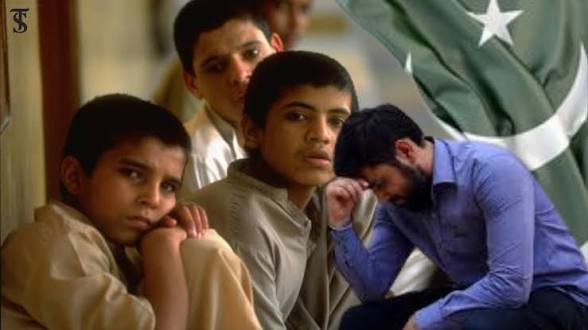
Pakistan has a young population, but young people face significant challenges in moving from education into meaningful employment. The World Bank reports that 34.2% of Pakistani youth aged 15–24 were not in employment, education or training in 2022. This makes career decisions particularly important, while economic uncertainty can also make families more concerned about stability and financial security.
When a Career Becomes a Family Decision
In many Pakistani households, career choices are rarely treated as completely individual decisions. Parents may have strong expectations about what their children should study, where they should work and what kind of career provides a respectable and secure future.
Medicine, engineering, government employment, banking and other established professions have traditionally been viewed as safer choices.
Meanwhile, careers in areas such as content creation, freelancing, media, design, entrepreneurship and other emerging fields may sometimes be viewed with uncertainty. For young people, however, the employment landscape is changing rapidly. Digital work and new industries are creating opportunities that previous generations did not necessarily have.
This creates a gap between what parents consider a secure career and what young people may see as meaningful or promising work.
The Pressure to Choose “Stability”
Financial stability is an understandable concern for families. Pakistan’s labor market continues to face challenges, with more than 85% of employment estimated to be informal according to the World Bank.
For parents who have experienced economic uncertainty, recommending a stable profession can therefore come from concern rather than simply a desire to control their children’s decisions. But stability means different things to different generations.
For parents, stability may mean a permanent job, a predictable salary and social respect. For young people, it may also mean professional growth, personal satisfaction, flexibility, independence and the opportunity to work in a field they genuinely enjoy.
The challenge begins when these two definitions of stability completely contradict each other.
Also Read: When “Protecting Your Peace” Becomes Emotional Isolation
The Marriage Question
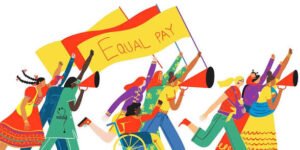
For many young women, the career-versus-family dilemma can become even more complicated after marriage.
Research by the World Bank has documented how family expectations, household responsibilities, mobility restrictions and childcare responsibilities can affect women’s participation in Pakistan’s workforce.
A World Bank study of Pakistani youth also found evidence of changing attitudes toward gender roles. More than 60% of respondents in an urban youth poll associated qualities such as individual goals, full-time careers, household contributions and childcare with both good husbands and good wives.
At the same time, the research found that traditional expectations remained influential. This creates a difficult situation: a young woman may spend years investing in education and developing professional skills, only to face expectations that her career should become secondary after marriage.
The issue is not necessarily whether family or career should come first. The deeper question is whether young people should have the opportunity to negotiate a balance that works for them.
“Log Kya Kahenge?”
Another powerful influence is social opinion. In Pakistan, career choices can sometimes be judged not only according to income but also according to social status.
Young people may hear questions such as: Is this career respectable? Is it secure? What will relatives say? Will this profession be suitable after marriage?Such questions can gradually make young people doubt their own ambitions.
Women may face particularly strong expectations concerning which professions are considered socially acceptable. World Bank research has found that family approval, workplace conditions, mobility and household responsibilities can influence women’s ability to enter and remain in paid employment.
Finding a Middle Ground
The solution does not have to be a choice between career and family. Families can provide guidance without deciding every aspect of a young person’s future. Young people, meanwhile, can acknowledge their family’s concerns while communicating their own goals responsibly.
A healthier approach begins with conversation. Instead of saying, “This is my life, I will do whatever I want,” or “My parents know everything, so I must follow their choice,” young people can explain their career plans, financial expectations, risks and long-term goals.
Families can also ask a different question: “How can we help you succeed?”That small change can transform the conversation from conflict into cooperation. Ultimately, Pakistani youth are growing up between two worlds.
They respect family values while also being exposed to new professions, global opportunities and changing ideas about success. Their challenge is not simply choosing between career and family.
It is learning how to build a future where personal ambition and family relationships can coexist. The goal should not be a life designed entirely by society or entirely in isolation from family.
It should be a life in which young people can pursue meaningful goals while maintaining open communication, responsibility and respect for the people who matter to them.