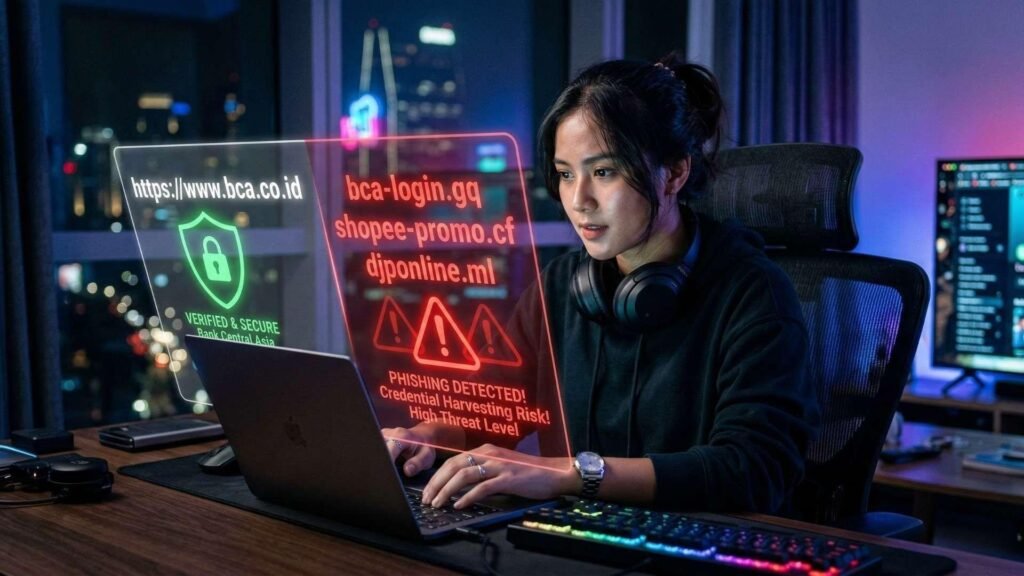
The internet has made life easier than ever. From online shopping and banking to social media and remote jobs, almost everything is now just a few clicks away. However, this convenience also comes with risks. Online scams are becoming increasingly sophisticated, putting people’s money, personal information, and digital security at risk.
Scammers no longer need to meet their victims in person. They can use fake websites, suspicious emails, social media accounts, and even artificial intelligence (AI) to trick people. Sometimes, a single careless click can expose sensitive information.
1. Never Click on Suspicious Links
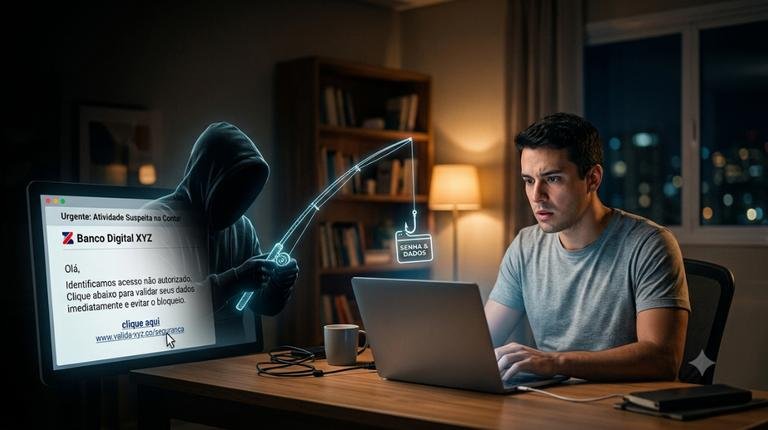
One of the most common online scams involves sending fake links through emails, text messages, and social media platforms.
You might receive a message claiming that your bank account has been blocked, your package cannot be delivered, or you have won a prize. The message usually includes a link asking you to verify your information.
However, these links may lead to fake websites designed to steal your passwords, banking details, or personal information.
How to stay safe: Never click on unexpected links. Instead, visit the official website directly by typing its address into your browser.
2. Use Strong and Unique Passwords
Using the same password for multiple accounts can put your digital security at risk. If one account gets compromised, scammers may try that password on your other accounts.
A strong password should contain a combination of uppercase and lowercase letters, numbers, and special characters.
Avoid using easily guessed information such as your name, birthday, or phone number. You can also use a trusted password manager to create and store different passwords for your accounts.
3. Enable Two-Factor Authentication
Two-factor authentication (2FA) adds an extra layer of protection to your online accounts.
Normally, you only need a password to log in. With 2FA, you must complete an additional verification step, such as entering a security code or approving a login request.
This makes it harder for someone to access your account, even if they discover your password. Enable this feature wherever possible, especially on your email, banking, and social media accounts.
4. Be Careful With Online Shopping Deals
Online shopping scams often attract customers through extremely cheap prices and unrealistic discounts.
A website may advertise expensive smartphones, branded clothing, or electronic devices at prices that seem too good to be true. After receiving payment, the seller may disappear or deliver a completely different product.
Before purchasing anything, check the website’s reputation, customer reviews, contact information, and return policy. Avoid making payments through unfamiliar websites or sharing your banking information with unverified sellers.
5. Watch Out for Fake Job Offers
Online job scams have become a serious concern, particularly for students, fresh graduates, and people searching for remote work.
Scammers may advertise attractive opportunities with promises of high salaries, flexible working hours, and no experience requirements.
ALSO READ: Rawalpindi Test Tickets Go on Sale Friday
Some fake employers ask applicants to pay registration fees, purchase training materials, or provide sensitive personal information before offering a job. A legitimate opportunity should have verifiable company details and a clear recruitment process.
Remember: Be especially cautious when someone promises unusually high earnings for very little work.
6. Never Share Your OTP or Banking Information
A one-time password (OTP) is a security code used to verify certain transactions or account activities.
Scammers may pretend to be bank representatives, customer support agents, or government officials and ask you to share this code.
Never share your OTP, PIN, password, or banking verification codes with anyone. Genuine security procedures should not require you to disclose these confidential details to another person. If someone contacts you unexpectedly and requests this information, stop communicating and contact your bank through its official channels.
7. Be Aware of AI-Powered Scams
Artificial intelligence has introduced new opportunities, but it has also created new ways for scammers to deceive people.
AI tools can generate realistic images, videos, and voice recordings. Criminals may use these technologies to imitate someone’s voice or create fake videos to make fraudulent requests appear genuine.
For example, someone might receive a phone call that sounds like a family member asking for urgent financial help. Do not automatically trust a voice or video recording. If you receive an unusual request for money, contact the person through another verified communication method.
8. Avoid Sharing Too Much Personal Information Online
Social media platforms encourage people to share pictures, locations, birthdays, educational details, and everyday activities.
Although sharing personal experiences is normal, revealing too much information can create privacy risks.
Scammers may use publicly available details to impersonate someone, guess account passwords, or create convincing fake messages. Review your privacy settings and avoid publicly sharing sensitive information, including identification documents, financial details, and private contact information.
9. Avoid Untrusted Public Wi-Fi Networks
Public Wi-Fi is convenient when visiting restaurants, shopping centres, airports, or other public places.
However, unsecured networks may expose your online activity to security risks, particularly when accessing sensitive accounts.
Avoid conducting banking transactions or entering confidential information through unfamiliar public networks. If you must use public Wi-Fi, make sure the network is legitimate, keep your device updated, and use a trusted VPN when appropriate.
10. Know What to Do If You Become a Victim
Even careful internet users can sometimes fall for online scams. If you believe someone has accessed your account or stolen your information, acting quickly can reduce further damage.
Here are some important steps:
- Contact your bank immediately if financial information or money has been compromised.
- Change passwords for affected accounts using a secure device.
- Enable two-factor authentication.
- Contact the relevant platform if your social media or email account has been hacked.
- Save screenshots, messages, transaction details, and other evidence.
- Report the incident to the appropriate cybercrime authorities.
In Pakistan, people can visit the National Cyber Crime Investigation Agency (NCCIA) website to find information about reporting cybercrime and available assistance.
Why Online Safety Matters More Than Ever
The digital world continues to grow, and people increasingly depend on online platforms for education, employment, communication, shopping, and financial transactions.
Unfortunately, scammers are also adapting to these changes. Their methods are becoming more convincing, making it difficult to distinguish genuine communication from fraudulent activity.
Online safety is not only the responsibility of technology companies or government authorities. Every internet user must develop basic cybersecurity habits.
Using strong passwords, checking suspicious links, protecting personal information, and verifying unexpected requests can make a significant difference.

I am Areesha, a 3rd-year International Relations student with a strong academic focus on Foreign Policy, International Law, History of International Relations, Non-State Actors, and Diplomacy & Statecraft. With a diverse internship background including HESCO, ISPR, and a current Research and Media Newsletter internship focused on Climate and Economy, I bring a unique blend of analytical thinking, research skills, and media understanding. I am passionate about translating complex global affairs into engaging, reader-friendly, and SEO-optimized content. My academic training in IR has equipped me with excellent research, critical analysis, and structured writing skills, which I now aim to apply in the field of SEO writing and digital content creation. Seeking an opportunity as an SEO Writer Intern where I can contribute with well-researched, impactful, and search-optimized content.