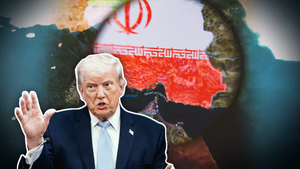
The outcome of the U.S. midterm congressional elections on November 3 demonstrated that the roots of political developments in Washington must be sought thousands of miles away from the ballot boxes. Republicans suffered defeats in both the House of Representatives and the Senate, enabling Democrats to regain control of Congress. By their own admission, Donald Trump and JD Vance identified the economic repercussions of the war against Iran as one of the major factors behind this defeat. A war intended to demonstrate American power ultimately boomeranged, through Iran’s strategic initiative, back onto the household budgets of American citizens and, eventually, into the voting booths.
Donald Trump’s acknowledgment of Iran’s role in his party’s electoral defeat further underscores the significance of this development. Following the elections, Trump conceded that the war with Iran and the resulting increase in gasoline prices had damaged Republican electoral prospects, although he continued to defend his decision to launch the war. U.S. Vice President JD Vance was even more explicit, identifying the war against Iran as the primary reason for the Republican defeat. These admissions suggest that what may be described as Iran’s strategic initiative in managing the Strait of Hormuz has now evolved into a domestic political crisis in the United States.
To understand the significance of this development, one needs only examine fuel prices in the United States. According to the American Automobile Association (AAA), the average price of gasoline on Election Day reached about $4.15 per gallon, up about 37 percent from the previous year. Diesel prices also climbed to approximately $6.30 per gallon, marking an increase of nearly 71 percent. For American households already struggling with the cost of living, such increases represented a significant economic shock.
The economic implications of rising diesel prices extend well beyond the transportation sector. Diesel is the primary fuel used by freight trucks, agricultural machinery, and a substantial portion of the country’s goods distribution network. Higher diesel prices consequently increase the cost of transporting food, industrial products, and consumer goods. Furthermore, disruptions to energy and fertilizer trade routes through the Strait of Hormuz placed additional pressure on American farmers. U.S. academic and research institutions have estimated that restrictions on the transportation of fuel and fertilizers through the Strait of Hormuz and the Red Sea could impose more than $343 million in additional costs on farmers in the state of Arkansas.
These pressures gradually became evident in key U.S. economic indicators. According to official reports from the Bureau of Labor Statistics (BLS), the annual inflation rate in the United States reached 3.7 percent in early October, while energy inflation exceeded 20 percent. Gasoline prices alone increased by 9.1 percent in a single month. Rising energy costs subsequently spread to other sectors of the economy through higher transportation and production expenses. Consequently, even households with relatively low direct fuel consumption were not insulated from the economic consequences of the war.
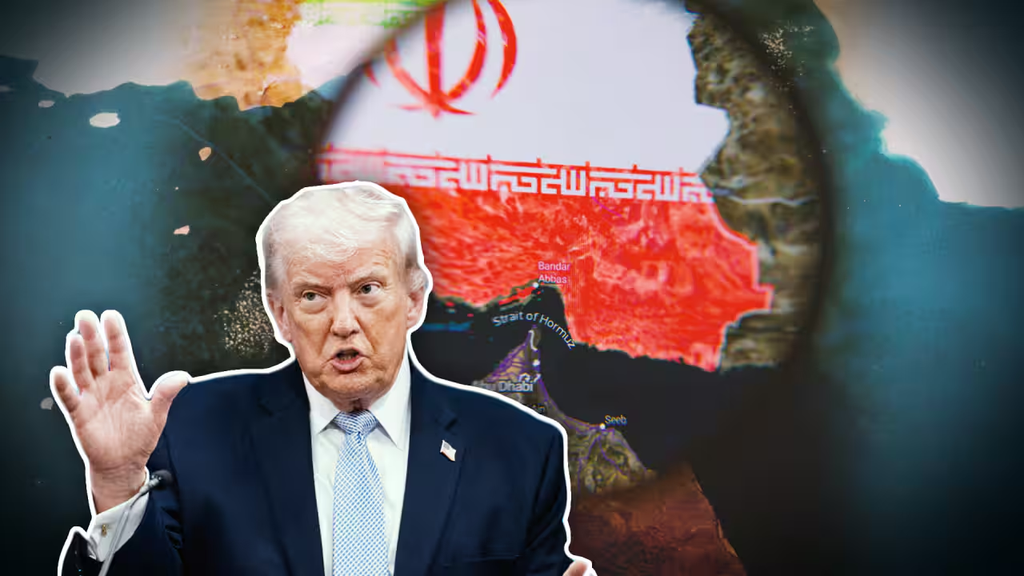
It is precisely at this point that the strategic significance of Iran’s initiative in the Strait of Hormuz becomes apparent. The United States assumed that its technological and military superiority would enable it to impose substantial costs on Iran. However, Iran’s strategic acumen in leveraging its position along one of the world’s most critical energy trade routes fundamentally altered the calculations surrounding the war, particularly its economic dimensions. Restrictions on tanker traffic, higher shipping and insurance costs, and disruptions to the supply of petroleum products redirected economic pressure back toward the United States. Even a partial recovery in crude oil flows proved insufficient to rapidly offset shortages of diesel and other refined petroleum products.
Also Read: US–Iran War on the Brink: Israel Signals New Offensive as Trump Faces a Dangerous Decision
The political consequences of these developments were also reflected in public opinion polls. Electoral surveys indicated that concerns over the rising cost of living were among the most significant factors influencing voters’ decisions. Approximately two-thirds of voters held Trump responsible for rising prices, while a majority also opposed the U.S. decision to attack Iran. Florida Governor Ron DeSantis, a Republican, had warned before the elections that the war with Iran was seriously damaging the electoral prospects of Republican candidates and that rising gasoline prices were placing direct pressure on working-class households.
Nevertheless, the Republican defeat should not be interpreted as grounds for excessive optimism about the Democratic Party. Historical experience demonstrates that, despite differences in their approaches and policy instruments, the two major U.S. political parties share significant common ground when it comes to maintaining pressure on Iran. A Democratic victory therefore does not necessarily signal the end of Washington’s policy of coercion toward Tehran. Moreover, restoring stability to energy markets and compensating for the economic damage caused by the war will not be easily achieved simply through a change in the balance of power in Congress.
The outcome of the U.S. elections has highlighted an important strategic reality: the costs of a war against Iran cannot be confined within Iran’s borders. Iran’s strategic initiative in the Strait of Hormuz demonstrated that military decisions can trigger far-reaching consequences that even the world’s largest economy may struggle to manage. Republicans have paid the first significant political price for this reality. However, the broader challenge will remain for the entire U.S. political establishment.
The views presented in this article are the author’s own and do not necessarily reflect the views of Global News Pakistan

Mehdi Honardideh
Mehdi Honardideh is a political and International Relations analyst from Iran.