North America (GNP): The 2026 FIFA World Cup is set to transcend the boundaries of sport, as global superstars, debut nations, and landmark opening ceremonies across three continents converge to make this edition the most culturally charged tournament in the competition’s history.
From Shakira and BTS to first-time qualifying nations carrying the hopes of millions, the spectacle surrounding the football promises to be as compelling as anything that unfolds on the pitch.
The cultural dimension of this edition is unprecedented, reflecting FIFA’s deliberate effort to position the World Cup not merely as a sporting contest but as a celebration of global identity, music, and human diversity.
Three interconnected opening ceremonies will be staged across Mexico City, Toronto, and Los Angeles over June 11 and 12, each anchored in the cultural heritage of its host nation while united by a shared theme of cross-border solidarity.
The creative vision behind all three events belongs to Marco Balich, an Italian production director whose portfolio spans several Olympic opening ceremonies including the 2026 Winter Games. Each ceremony begins 90 minutes before its respective host nation’s opening match, with the Mexico City event expected to run approximately 16 minutes and the Toronto and Los Angeles shows each lasting around 13 minutes.
Mexico City’s ceremony at Mexico City Stadium will be the most elaborate of the three, drawing on the country’s Indigenous artistic traditions, contemporary folkloric performance, and the intricate craft of papel picado. The musical lineup is an extraordinary assembly of Latin talent and global crossover artists.
Shakira will take centre stage at the Mexico City ceremony alongside Burna Boy, with J Balvin, Alejandro Fernandez, Belinda, Lila Downs, Los Angeles Azules, Mana, and South African singer Tyla also among the confirmed performers for the opening night.
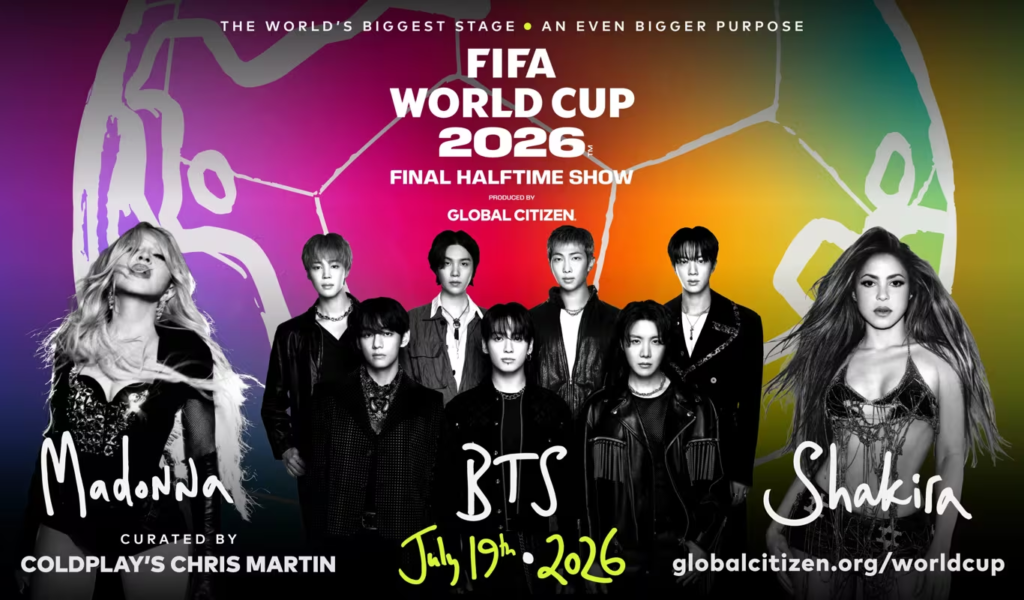
In a further testament to her prominence at this tournament, Shakira is additionally confirmed to co-headline the FIFA World Cup Final halftime show on July 19 alongside Madonna. K-pop supergroup BTS will also share the halftime stage, marking one of the most globally diverse musical collaborations in World Cup history.
Toronto’s ceremony celebrates Canada’s identity as one of the world’s most culturally diverse societies. The event opens with a visual countdown taking audiences on a journey across the country from coast to coast. Performers include Alanis Morissette, Michael Bublé, Alessia Cara, Jessie Reyez, Nora Fatehi, Elyanna, Sanjoy, Vegedream, and William Prince, a lineup that collectively reflects the multicultural communities that define contemporary Canadian society. FIFA’s leadership specifically noted that the Toronto ceremony was conceived as a statement of national pride and inclusion.

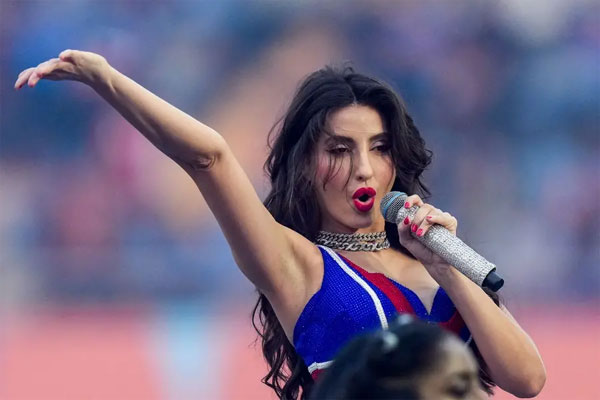
Nora Fatehi will be performing her new official FIFA track titled “Siir Siir”, which was produced by Sanjoy and features French artist Vegedream. Fatehi has made a point to heavily feature Indian creativity in the track, having used Indian choreographers, dancers, and stylists for the project.
Also Read: FIFA World Cup 2026 Opens with Tri-Nation Ceremonies
Los Angeles brings the tournament’s entertainment programme to a close on June 12 with a high-production showcase drawing on the United States’ unrivalled influence over global pop culture. Katy Perry, Future, Anitta, LISA, Rema, and Tyla are among the confirmed performers, with the artist selection described by FIFA as a reflection of the diverse diasporas and cultural communities that make up the American social fabric.
On the pitch, the expanded 48-team format has opened the door to several nations making their World Cup debuts, each carrying their own compelling story. Curaçao, a Caribbean island with a population of just 156,000, becomes the smallest nation ever to qualify for a World Cup, surpassing the record previously held by Iceland from the 2018 tournament.
Cape Verde, another island nation with a population of approximately 500,000, makes their first-ever appearance, becoming the third smallest country in World Cup history. Jordan qualify for the first time under head coach Jamal Sellami, a Moroccan-born tactician granted Jordanian citizenship by King Abdullah II in recognition of his achievements with the national team.
Uzbekistan round out the debutantes, coached by Fabio Cannavaro, the legendary Italian defender who captained his country to World Cup glory in 2006 and now seeks to write a new chapter in the sport’s history from the dugout.
Together, the ceremonies, performances, and debut stories transform the 2026 FIFA World Cup into a cultural event of rare magnitude, one where the football is only part of a far larger and more resonant global conversation.

Managing Editor at Global News Pakistan (GNP), with a Bachelor's degree in International Relations from Riphah International University, graduated with a Gold Medal. Reach out at sabahtareengnp@gmail.com