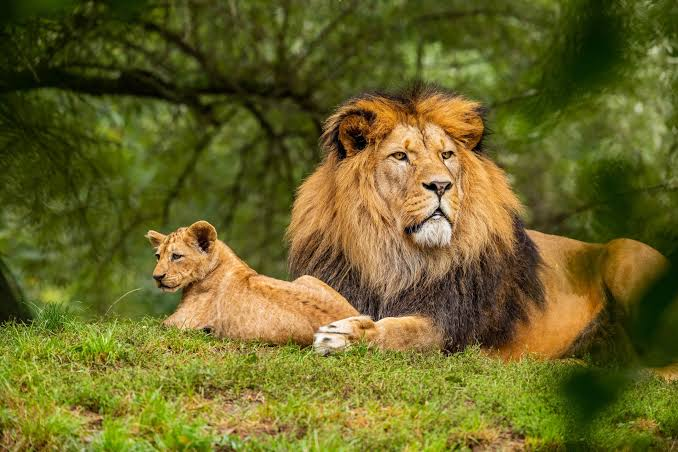
New York (GNP): World Lion Day is drawing international attention to the growing threats facing lions and the importance of protecting one of the world’s most recognizable wildlife species.
The United Nations has emphasized that lions are more than powerful predators they play an important role in maintaining healthy ecosystems.
The UN highlighted the message that lions serve as “ecosystem guardians,” while warning that habitat loss, illegal wildlife trade and disputes over land are putting their survival under increasing pressure.
The awareness campaign encourages people to support conservation efforts, spread knowledge about wildlife protection and help safeguard lion populations.
Lions occupy an important position within their ecosystems. As apex predators, they help regulate populations of other animals and contribute to the balance of food chains.
Their survival is therefore closely connected to the health of the wider ecosystems in which they live.
The continued expansion of human settlements, agriculture and infrastructure has reduced and fragmented wildlife habitats in many parts of Africa.
As natural areas become smaller, interactions between people and wildlife can increase, creating challenges for both communities and animals.
The United Nations Environment Programme has previously warned that big cats, including lions, face multiple threats caused by human activity.
These include habitat loss, poaching, human-wildlife conflict and climate change. Lions also depend on sufficient populations of wild prey, meaning that the decline of other wildlife can indirectly threaten their survival.
Wildlife trafficking can operate through international criminal networks and can undermine conservation efforts.
Also Read: Why Physical Activity Remains One of the Most Powerful Tools Against Chronic Disease
UNEP has emphasized that illegal wildlife trade, together with habitat destruction and climate change, can push species toward extinction and contribute to wider ecosystem degradation.
The threats facing lions also demonstrate that wildlife conservation is not simply an environmental issue.
It can involve questions of livelihoods, land management, security and sustainable development. Communities living close to wildlife habitats can experience economic and social pressures when human-wildlife conflicts occur.
Effective conservation therefore requires cooperation among governments, conservation organizations, local communities, researchers and international institutions.
Protecting natural habitats, strengthening laws against wildlife crime, supporting conservation programmes and educating communities can all contribute to long-term wildlife protection.
International cooperation is particularly important because wildlife and illegal trade frequently cross national borders.
Organizations such as the United Nations, UNEP and CITES provide frameworks through which countries can cooperate to protect threatened species and combat illegal wildlife trafficking.
World Lion Day provides an opportunity to turn public attention into practical action. Raising awareness can encourage individuals to learn about wildlife conservation, support responsible conservation organizations and promote policies that protect natural habitats.
The future of lions ultimately depends on humanity’s ability to balance development with environmental protection.
Preserving lions means protecting not only an iconic species but also the ecosystems and biodiversity connected to them.
As World Lion Day highlights the challenges facing lions, the message from conservation advocates remains clear, protecting wildlife requires collective responsibility.
Safeguarding lion populations today can help ensure that future generations continue to see these animals as living symbols of biodiversity rather than memories of a species lost.