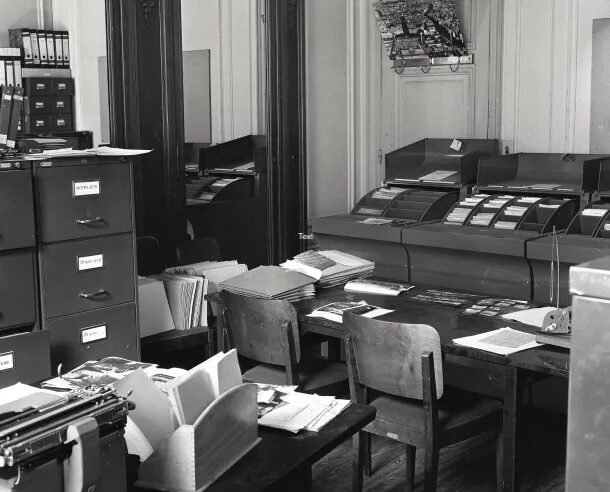
France (GNP): UNESCO has highlighted the enduring importance of its archives as the organization celebrates 80 years of preserving records, publications, photographs, films, audio recordings, and institutional documents that have shaped international cooperation and global education since its establishment.
The archives represent decades of UNESCO’s work in promoting peace through education, science, culture, and communication.
They document major international initiatives, policy developments, and collaborations among Member States while preserving valuable historical records for future generations.
According to UNESCO, its archives safeguard the institutional memory of the organization by maintaining millions of documents that reflect the evolution of global cooperation over the past eight decades.
These collections are accessible to researchers, Member States, UNESCO staff, students, historians, and members of the public seeking to better understand the organization’s contributions to international development.
The archival collection includes official correspondence, conference records, publications, photographs, audiovisual materials, and historical documentation related to UNESCO’s programmes across education, cultural heritage, scientific cooperation, freedom of expression, and sustainable development.
UNESCO emphasized that preserving documentary heritage is essential not only for protecting the past but also for informing future decision-making.
By ensuring long term access to historical records, archives support evidence based policymaking, academic research, institutional transparency, and public knowledge.
The organization noted that archives play a critical role in safeguarding humanity’s shared memory, particularly at a time when digital preservation and information management have become increasingly important.
UNESCO continues to modernize its archival systems to improve accessibility while protecting fragile historical materials for future generations.
As UNESCO celebrates this milestone, it reaffirmed its commitment to preserving documentary heritage and strengthening international cooperation through knowledge sharing.
Also Read: WHO’s first PPC launched with business leaders
The archives remain a valuable resource for understanding how global partnerships have evolved over the last 80 years and continue to influence policies addressing education, culture, science, and sustainable development.
The anniversary also serves as a reminder that preserving history is essential for building a more informed and cooperative future.
UNESCO encourages researchers and the public to explore its archival collections to better understand the organization’s legacy and its continuing contribution to international collaboration.