Islamabad (GNP): Dengue fever is no longer considered a health concern limited to tropical regions. In recent years, the mosquito borne disease has expanded into new countries and affected millions of people, making it one of the world’s fastest-growing public health challenges.
Health experts warn that rising temperatures, rapid urbanization, increased international travel, and changing weather patterns are creating ideal conditions for mosquitoes that spread dengue, allowing the disease to reach areas where it was previously uncommon.
According to the World Health Organization (WHO), dengue has become a significant global health priority.
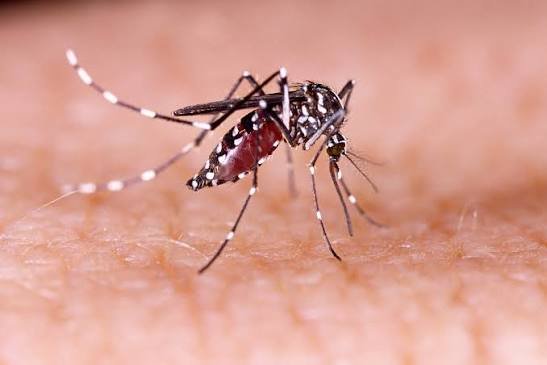
The disease is transmitted primarily by Aedes aegypti mosquitoes, which thrive in warm and humid environments. Symptoms often include high fever, severe headache, joint and muscle pain, nausea, skin rash, and extreme fatigue.
Some patients recover with supportive treatment, severe dengue can lead to internal bleeding, organ failure, and even death if medical care is delayed.
Recent reports show that several countries are experiencing a rise in dengue infections.
Public health authorities have linked the increase to prolonged rainy seasons, warmer temperatures, and inadequate mosquito-control measures.
Bangladesh, for example, has warned of a significant surge in cases, with health officials urging stronger prevention efforts as favorable weather conditions accelerate mosquito breeding.
Climate change has emerged as one of the major factors behind the expanding spread of dengue.
Warmer temperatures allow mosquitoes to survive for longer periods and expand into regions that were once too cool for them.
Scientists have also observed locally transmitted dengue cases in parts of Europe, highlighting how changing environmental conditions are reshaping the global distribution of infectious diseases.
Urbanization has further complicated the situation. Rapid population growth, overcrowded cities, poor waste management, and stagnant water create ideal breeding grounds for mosquitoes.
Even small collections of water in discarded containers, flower pots, construction sites, or household storage tanks can become mosquito habitats.
Without effective sanitation and community participation, outbreaks can spread rapidly through densely populated areas.
Children, older adults, pregnant women, and individuals with weakened immune systems remain among the most vulnerable groups.
Repeated dengue infections can increase the risk of severe illness, making early diagnosis and proper medical care especially important.
Health experts encourage anyone experiencing persistent fever or symptoms after mosquito exposure to seek medical attention promptly rather than relying solely on home remedies.
Also Read: Pakistan Somalia Defence Cooperation Expands Through New Strategic Agreement
Preventing dengue requires coordinated action at both individual and community levels.
Eliminating standing water, using mosquito repellents, installing window screens, wearing protective clothing, and supporting local mosquito-control campaigns are among the most effective ways to reduce transmission.
Governments also play a critical role by strengthening disease surveillance, investing in public awareness campaigns, improving sanitation, and ensuring healthcare facilities are prepared to manage outbreaks.
Researchers continue to develop improved vaccines, treatments, and surveillance systems, but public health experts emphasize that prevention remains the most effective defense.
International cooperation is also essential because mosquitoes and infectious diseases do not respect national borders.
The growing spread of dengue serves as a reminder that global health is closely connected to environmental change, urban planning, and public policy.
Addressing the disease requires sustained investment, scientific research, and active participation from communities worldwide. By acting early and collectively, countries can reduce the burden of dengue and better protect future generations from one of the world’s fastest-growing mosquito-borne diseases.