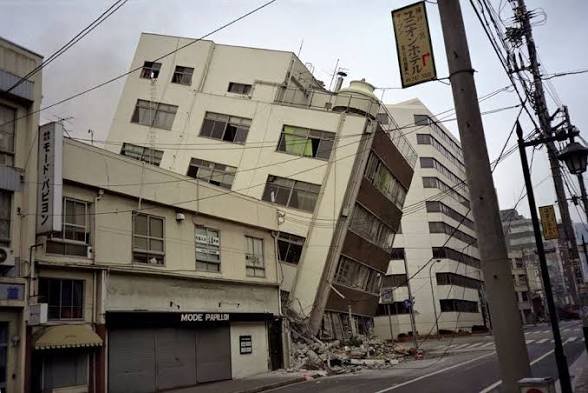
Islamabad (GNP): Earthquakes are among the most destructive natural disasters, striking without warning and leaving behind widespread devastation.
Within seconds, buildings can collapse, roads can crack, communication networks can fail, and thousands of lives can be placed at risk. Unlike many other natural hazards, earthquakes offer little or no time for evacuation, making preparedness the strongest defense against their impacts.
Recent seismic activity in different parts of the world has once again highlighted the urgent need for stronger disaster management systems, safer infrastructure, and greater public awareness.
From Turkey and Syria to Japan, Myanmar, and parts of South Asia, powerful earthquakes have demonstrated how vulnerable communities remain despite advances in technology.
Understanding Earthquakes
An earthquake occurs when tectonic plates beneath the Earth’s surface suddenly shift, releasing stored energy in the form of seismic waves.
The intensity of an earthquake is commonly measured using the Moment Magnitude Scale (Mw), while its effects are assessed through the Modified Mercalli Intensity Scale.
Countries located along major fault lines, including Pakistan, Japan, Indonesia, Nepal, and Turkey, experience frequent seismic activity. Pakistan, in particular, lies at the intersection of the Indian and Eurasian tectonic plates, making several regions highly vulnerable to earthquakes.
Why Earthquakes Cause So Much Damage
The destruction caused by earthquakes is not determined solely by their magnitude. Poorly constructed buildings, weak infrastructure, high population density, and inadequate emergency preparedness often turn natural hazards into humanitarian disasters.
Secondary hazards such as landslides, fires, liquefaction, and tsunamis can further increase casualties and economic losses.
Hospitals, schools, transportation networks, and communication systems are frequently affected, making rescue operations more difficult.
The Human CostBeyond physical destruction, earthquakes leave deep emotional and economic scars.
Families lose loved ones, children are displaced, businesses are destroyed, and communities require years to recover. Survivors often experience trauma, anxiety, and long-term mental health challenges.
According to international disaster agencies, earthquakes have caused hundreds of thousands of deaths worldwide over the past two decades while displacing millions of people.
Reconstruction often requires billions of dollars and sustained international assistance.
Pakistan’s Seismic Risk
Pakistan has experienced several devastating earthquakes throughout its history.
The 2005 Kashmir earthquake, which measured 7.6 magnitude, claimed more than 80,000 lives, injured thousands, and destroyed entire towns and villages.
More recent earthquakes in Balochistan, Khyber Pakhtunkhwa, and northern Pakistan continue to remind authorities that seismic risks remain significant.
Rapid urbanization, unauthorized construction, and limited enforcement of building codes increase the vulnerability of many Pakistani cities.
Building ResilienceReducing earthquake risks requires a comprehensive approach that combines government action, scientific research, and community participation.
Also Read: WHO Highlights Dementia Risk Prevention Through Healthy Lifestyle Choices
Key priorities include:
Enforcing earthquake resistant building standards.Strengthening early warning and monitoring systems.
Conducting regular disaster preparedness drills.Improving emergency response capacity.Raising public awareness about earthquake safety.Investing in resilient infrastructure and urban planning.Schools, hospitals, and public institutions should receive particular attention because they serve as critical facilities during emergencies.
What Individuals Can Do?
Preparedness begins at home. Families should identify safe locations inside buildings, prepare emergency kits containing water, food, medicines, flashlights, and important documents, and establish communication plans for emergencies.
During an earthquake, experts recommend following the “Drop, Cover, and Hold On” principle.
After the shaking stops, people should evacuate carefully if necessary, avoid damaged structures, and follow official instructions from emergency authorities.
Shared Responsibility
Earthquakes cannot be prevented, but their impacts can be significantly reduced through preparedness, resilient infrastructure, effective governance, and informed communities.
Governments, engineers, scientists, humanitarian organizations, and citizens all have important roles in minimizing disaster risks.
As climate related disasters increasingly dominate global discussions, geological hazards like earthquakes must not be overlooked.
Investing in disaster resilience today can save countless lives tomorrow.
Preparedness is not simply an emergency measure it is an investment in national security, sustainable development, and human safety.