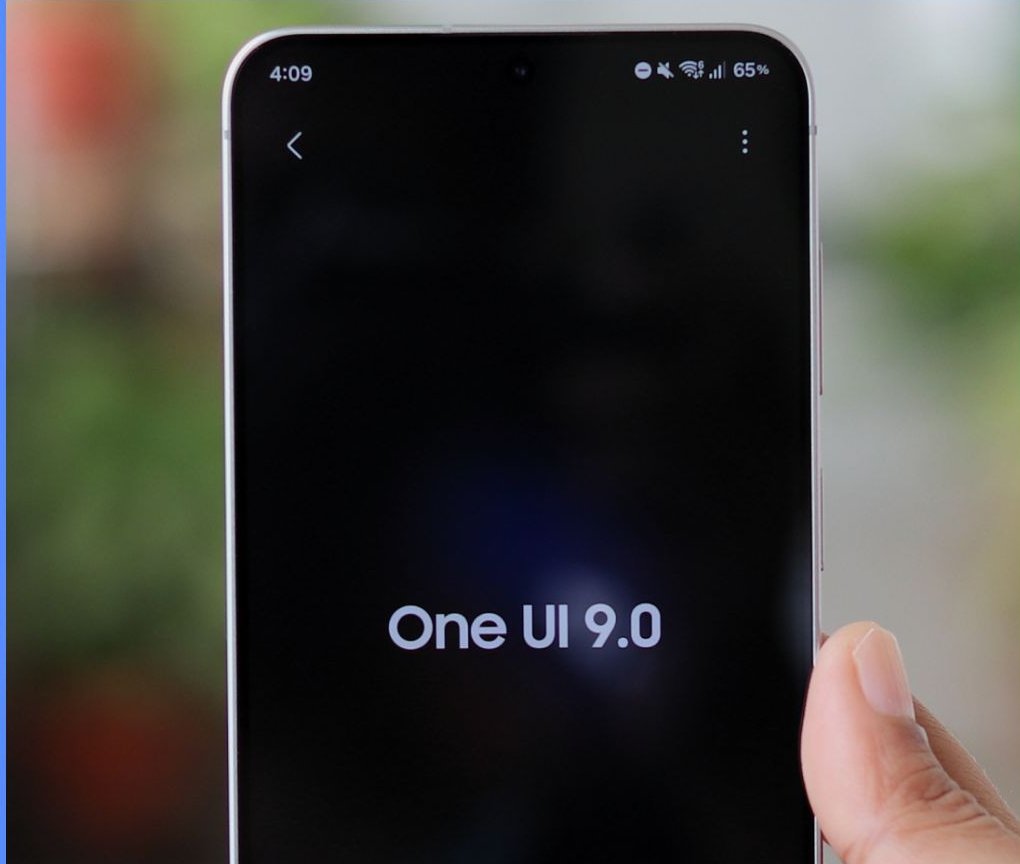
Seoul (GNP): Samsung has started rolling out the stable One UI 9 update to the Galaxy S26 series, bringing its latest Android-based software experience to users after months of beta testing.
The initial rollout is currently taking place in South Korea for the Galaxy S26, Galaxy S26+ and Galaxy S26 Ultra.
According to SamMobile, the stable release is based on Android 17 and includes the September 2026 security patch. The rollout follows several months of beta testing, during which Samsung introduced multiple test versions and addressed reported software issues before releasing the stable version.
The launch represents an important software update for Samsung’s latest flagship smartphones. One UI is Samsung’s customized Android interface, providing users with the company’s own design, applications, security features and additional tools on top of Google’s Android operating system.
One UI 9 Moves From Beta to Stable Release
Samsung introduced the One UI 9 beta programme for Galaxy S26 users earlier in 2026. The company said the new software would focus on areas including personalization, creativity, accessibility and security.
The beta programme allowed users and developers to test the software and provide feedback before the public release.
The development process included multiple beta updates. According to SamMobile, Samsung released beta versions containing fixes for issues such as screen flickering and Wi-Fi connectivity, while also introducing improvements to system stability.
The stable release therefore follows an extended testing period rather than arriving directly after the initial announcement. This process gives Samsung an opportunity to identify and address problems before expanding the software to a wider group of customers.
New Features and Software Improvements
One UI 9 combines Android 17 with Samsung’s own software features and interface changes. Samsung has highlighted improvements designed to make Galaxy devices more personalized and accessible while strengthening the overall user experience.
Testing of One UI 9 on the Galaxy S26 has also shown changes involving areas such as the Quick Panel, Photo Assist, Audio Eraser, Now Brief and Samsung DeX.
The availability of individual features can vary depending on the device, market and software version.Security is another important part of the update.
The stable release includes the September 2026 security patch, giving Galaxy S26 users updated protection alongside the broader Android 17 and One UI 9 changes.
Also Read: Why Aircraft Windows Are a Feat of Advanced Engineering
Rollout Begins in South Korea
The initial stable rollout is taking place in Samsung’s home market, South Korea. The company is expected to expand availability to additional markets, although the timing can differ by country, carrier and specific device model.
Galaxy S26 series owners can check manually for the update by opening Settings → Software update → Download and install. Users should also ensure that their device has sufficient battery power and storage before beginning a major software update.
Samsung has also been testing One UI 9 on additional Galaxy smartphones, including selected Galaxy S25 devices and recent foldable models.
This indicates that the company’s Android 17-based software rollout extends beyond the newest Galaxy S26 series.
What the Rollout Means for Galaxy Users
The stable One UI 9 release marks the beginning of Samsung’s broader transition to Android 17 across its supported Galaxy ecosystem.
For Galaxy S26 owners, the update brings the software features developed and tested during the beta programme into the stable channel.
As the rollout expands internationally, users in different markets will receive the update according to Samsung’s regional release schedule.
The company has not necessarily made every feature available simultaneously across all countries and devices.
With One UI 9, Samsung is continuing its approach of combining Google’s latest Android platform with its own interface, productivity tools, accessibility options and Galaxy-specific features.
The initial South Korean release is the first stage of a wider rollout that will bring the new software experience to more Galaxy users.