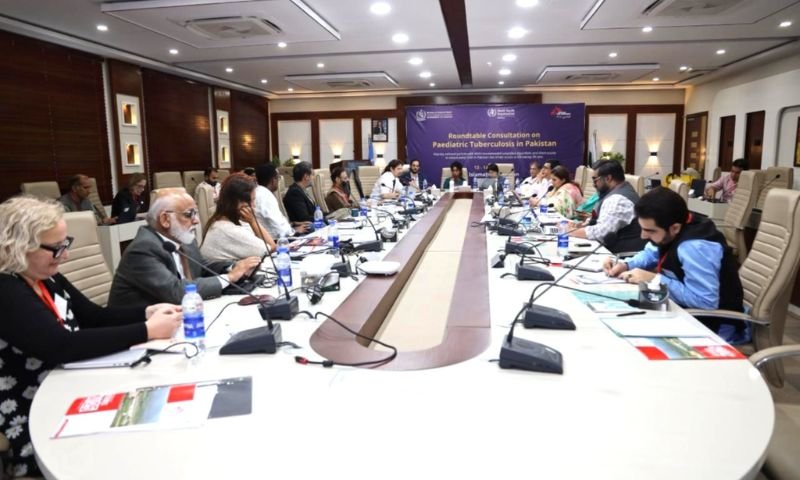
Islamabad, GNP: Pakistan’s Ministry of National Health Services, Regulations and Coordination, in collaboration with the World Health Organization (WHO) and Médecins Sans Frontières (MSF), has launched new efforts to protect nearly 93,000 children affected by tuberculosis (TB) across the country.
The two-day consultation, organized by the Common Management Unit (CMU) for AIDS, Tuberculosis and Malaria at WHO’s Country Office in Islamabad, focused on updating Pakistan’s national TB policies according to the latest international guidelines.
According to officials, children represent around 14% of the country’s estimated 669,000 TB cases. Pakistan currently carries 73% of the tuberculosis burden in the Eastern Mediterranean Region and ranks as the world’s fifth most affected country for TB.
The consultation was held in partnership with the Pakistan Paediatric Association and discussed ways to implement modern WHO-recommended treatment methods and child-focused healthcare strategies. These include shorter four-month TB treatment regimens, preventive therapies, and new oral treatments for drug-resistant TB.
Speaking during the consultation, CMU TB Programme Manager Dr. Faisal Siraj said Pakistan has prioritized paediatric tuberculosis as a major health challenge under the recommendations of the Joint Programme Review Mission 2025. He added that the government is strengthening child-focused diagnosis, household contact investigations, and preventive therapy through primary healthcare systems.
Also Read: Gilani Pays Tribute to Nurses and Healthcare Workers
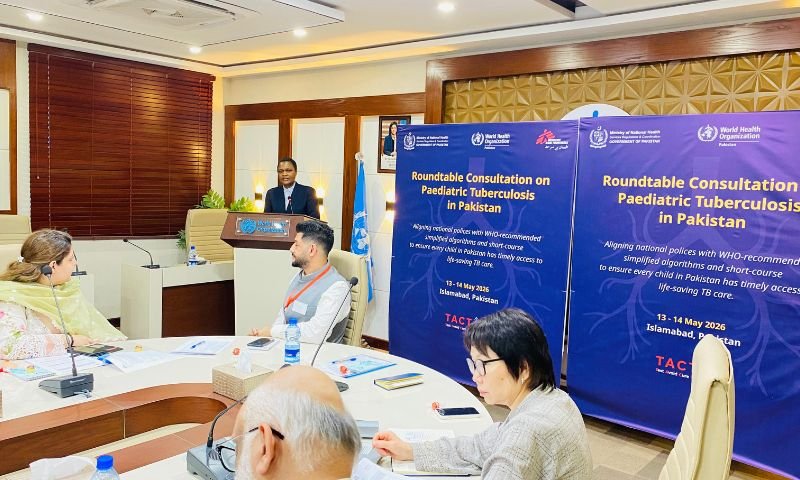
Dr. Florian Götzinger, National Implementer for MSF’s TACTiC initiative, highlighted the challenges of diagnosing TB in children. He said new WHO diagnostic algorithms are helping doctors begin treatment earlier, even in cases where laboratory tests are unavailable or inconclusive.
Health experts noted that tuberculosis remains one of Pakistan’s deadliest infectious diseases, causing approximately 51,000 deaths annually. More than 1,800 new TB cases emerge daily, while nearly 140 people die from the disease every day.
WHO Deputy Representative in Pakistan Ellen Thom emphasized the importance of protecting children from TB, calling it both a medical responsibility and a moral imperative. She reaffirmed WHO’s commitment to supporting Pakistan in expanding preventive care, early diagnosis, and timely treatment for vulnerable children across the country.
Global estimates from the WHO Global TB Report 2025 indicate that around 1.2 million children developed tuberculosis worldwide in 2024, with many cases remaining undiagnosed or detected too late.