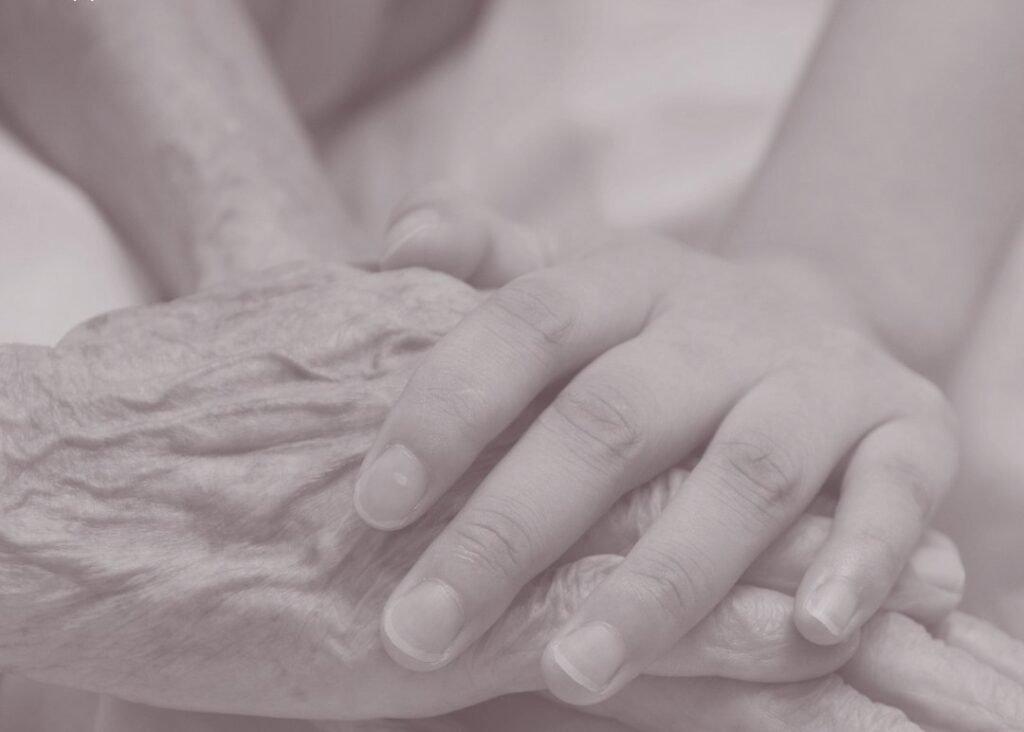
New York (GNP): The United Nations is highlighting the global impact of dementia and the importance of quality care and support for people living with the condition and their caregivers on World Alzheimer’s Day, observed on September 21.
In a message shared ahead of the international observance, the United Nations noted that dementia affects memory, cognitive functions and the ability to perform everyday activities.
The UN encouraged the public to join the World Health Organization (WHO) in calling for high-quality care for people affected by dementia and greater support for those who provide care. Dementia is a major global health and social challenge.
According to the WHO, 57 million people were living with dementia worldwide in 2021, with more than 60 percent living in low- and middle-income countries.
Nearly 10 million new cases occur every year. Alzheimer’s disease is the most common form of dementia and is estimated to account for around 60–70 percent of dementia cases.
The condition can affect memory, thinking, communication, mood and behaviour. As dementia progresses, people can require increasing levels of assistance with daily activities and personal care.
This makes dementia not only a medical issue but also a significant concern for families, caregivers and social-care systems.
The WHO has emphasized that dementia has consequences extending beyond the individual. Families and informal caregivers often provide substantial amounts of unpaid care, while many caregivers experience financial, social and psychological pressures.
According to WHO data, women provide around 70 percent of informal care hours for people living with dementia, underlining the wider social and economic implications of the condition.
Also Read: Pakistan to Host Global Mental Health Summit 2026
The economic impact is also considerable. WHO estimates that dementia cost economies approximately US$1.3 trillion in 2019, with around half of those costs associated with care provided by family members and friends.
World Alzheimer’s Day therefore provides an opportunity to focus attention not only on awareness but also on the systems needed to support people living with dementia throughout the course of the condition.
In July 2026, WHO released updated guidelines on reducing the risk of cognitive decline and dementia.
The organization said that up to 45 percent of dementia risk could potentially be attributed to modifiable risk factors, including physical inactivity, tobacco use, harmful alcohol consumption, air pollution and conditions such as high blood pressure and diabetes.
The updated recommendations take a life-course approach and encourage action on healthy behaviours, management of health conditions and reduction of environmental risks.
At the same time, WHO stresses that dementia cannot be addressed through prevention alone. Diagnosis, treatment, long-term care and support for caregivers remain important components of a comprehensive response.
The organization has also developed iSupport, a programme designed to help caregivers understand dementia, respond to common challenges and protect their own physical and psychological well-being.
The UN’s World Alzheimer’s Day message consequently places care and caregiver support at the centre of the international conversation.
As populations age in many parts of the world, the number of people affected by dementia is expected to remain a major public-health concern.
The challenge extends from hospitals and care facilities to homes and communities, where millions of families provide day-to-day support.
World Alzheimer’s Day serves as a reminder that addressing dementia requires awareness, accessible health and social-care services, support for caregivers and continued investment in research and innovation.