Islamabad (GNP): Pakistan is continuing its diplomatic outreach to Iran and the United States (US) in an effort to calm the Gulf crisis, Prime Minister Shehbaz Sharif said on Thursday.
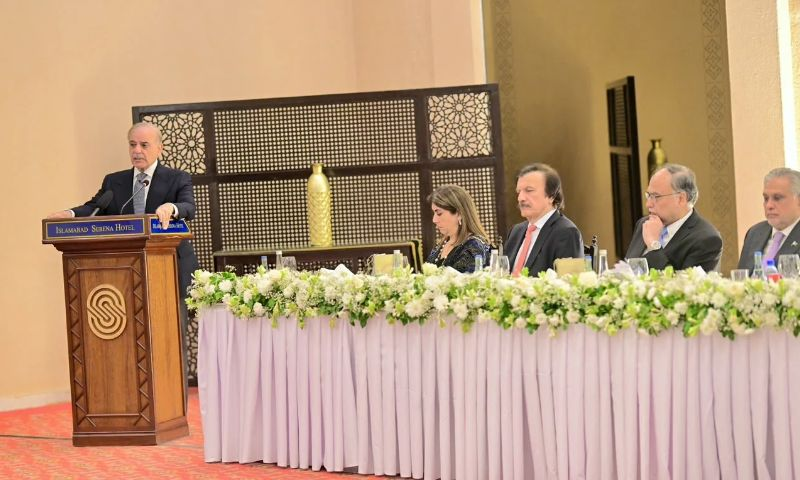
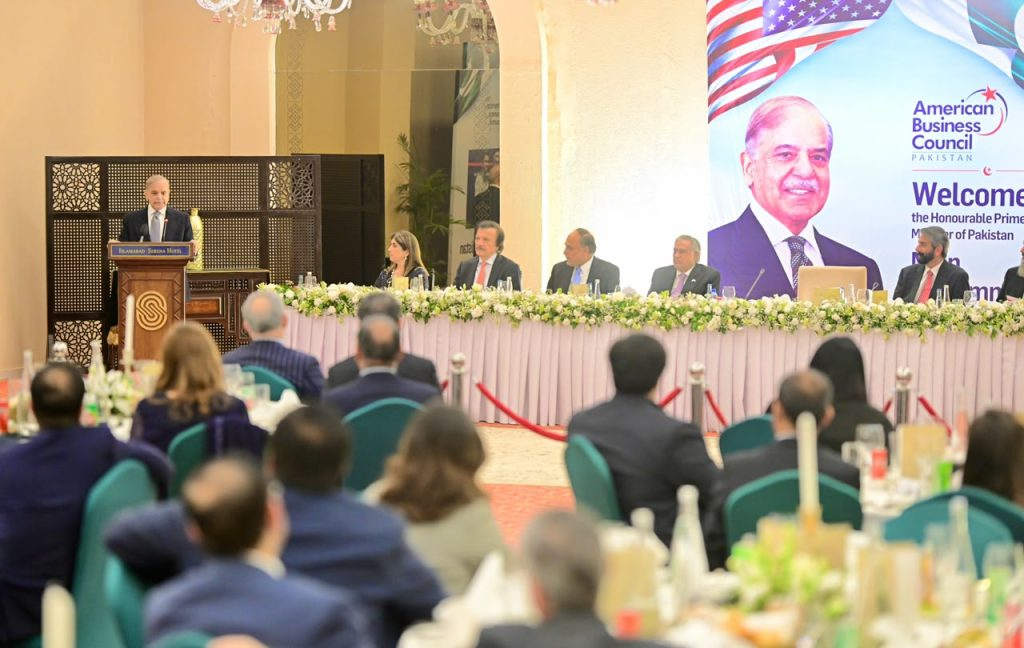
He made the remarks while addressing members of the American Business Council in Pakistan. Sharif admitted that political and diplomatic obstacles remain, but said Islamabad is still engaged with both capitals through friendly and brotherly countries.
The prime minister described the Gulf situation as a source of trouble for the wider region and the world. He said he was confident the crisis could eventually be brought under control.
That confidence rests on a track record of mediation. Pakistan and Qatar helped broker a June agreement that briefly stopped the fighting. It also set out a framework for negotiations on Iran’s nuclear program and the reopening of the Strait of Hormuz, a vital route for global energy supplies.
The ceasefire later collapsed, with each side accusing the other of violating its terms.
Since then, Iran has proposed reopening the Strait of Hormuz within two days of reaching a deal with Washington. Tehran has tied the offer to conditions that include sanctions relief and an end to the US naval blockade of Iranian ports.
Iranian Foreign Minister Abbas Araghchi visited Islamabad this week and expressed confidence in Pakistan’s mediation. Sharif also met Iranian President Masoud Pezeshkian last week and reaffirmed Pakistan’s readiness to support further diplomacy.
Washington, however, has yet to respond. Foreign Minister Ishaq Dar said on Monday that Pakistan was still waiting for the US reply and had not lost hope.
Also Read: Uzbekistan and Jordan: Driving Central Asia-Middle East Rapprochement
For Pakistan, the stakes go beyond diplomacy. Sharif linked regional peace directly to the country’s economic prospects and warned that heavy dependence on imported fuel leaves Pakistan exposed to energy market shocks.
He said an end to the conflict would allow Pakistan to speed up growth and reach new levels of development.
The crisis began when the United States and Israel launched attacks on Iran on February 28, and the conflict has since spread across the Middle East. Disruptions around the Strait of Hormuz and the US blockade of Iranian ports remain major hurdles, along with disputes over sanctions and Iran’s nuclear program.
Sharif said, “If peace is restored in the region, we are about to take off.”

Managing Editor at Global News Pakistan (GNP), with a Bachelor's degree in International Relations from Riphah International University, graduated with a Gold Medal. Reach out at sabahtareengnp@gmail.com