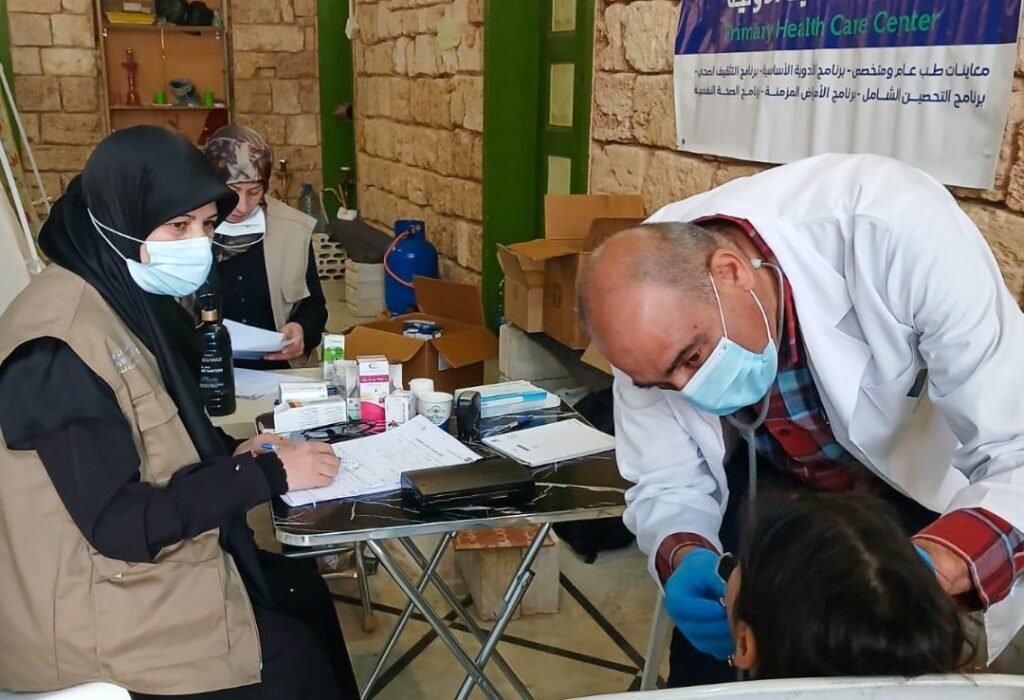
Lebanon (GNP): The United Nations (UN) Office for the Coordination of Humanitarian Affairs (OCHA) has expressed deep concern over the continued attacks on healthcare services in Lebanon, warning that medical workers and first responders remain at serious risk as the conflict continues.
According to information shared by the UN, the World Health Organization (WHO) has documented 212 attacks on healthcare facilities and services since March 2.
These incidents have resulted in the deaths of 135 health workers and injuries to 408 others, placing enormous pressure on Lebanon’s already strained healthcare system.
The UN emphasized that attacks on hospitals, clinics, ambulances, and medical personnel have severe humanitarian consequences.
When healthcare workers are unable to safely perform their duties, thousands of civilians lose access to essential medical treatment, emergency care, and life saving services.
Health professionals and first responders continue to work under extremely difficult conditions despite the ongoing security challenges. Many are risking their own lives to provide emergency medical assistance, treat the injured, and support communities affected by violence.
The UN praised their dedication while stressing that they should never become targets during armed conflict.International humanitarian law clearly states that healthcare facilities, medical workers, and ambulances must be protected during conflicts.
The UN reiterated that all parties involved have a responsibility to respect these legal obligations and ensure the safety of healthcare personnel and civilian infrastructure.
Humanitarian organizations have warned that repeated attacks not only threaten lives immediately but also weaken the healthcare system over the long term.
Damage to hospitals, shortages of medical supplies, and the loss of trained healthcare professionals make it increasingly difficult for communities to receive routine medical services, maternal healthcare, emergency surgeries, and treatment for chronic illnesses.
The UN also highlighted the emotional and psychological toll on healthcare workers who continue serving despite constant danger. Many doctors, nurses, and emergency responders face overwhelming workloads while coping with personal loss, insecurity, and limited resources.
OCHA called on all parties to take immediate measures to protect healthcare workers and humanitarian personnel. Ensuring safe access for medical teams is essential to delivering assistance to those most in need and preventing further deterioration of the humanitarian situation.
Also Read: France and Spain Race to Contain Fires Before New Heatwave
The organization further urged the international community to continue supporting humanitarian operations in Lebanon through funding, medical supplies, and emergency assistance. Strengthening healthcare services remains critical as humanitarian needs continue to grow across affected communities.
The UN stressed that protecting healthcare is not only a humanitarian obligation but also a legal responsibility under international law.
Every attack on a hospital, ambulance, or healthcare worker reduces the ability of communities to recover and increases the suffering of civilians caught in conflict.
As violence continues to affect Lebanon, the United Nations renewed its appeal for respect for international humanitarian law, protection of civilians, and the safety of healthcare workers and first responders.
The organization emphasized that preserving access to medical care is essential to saving lives and reducing the humanitarian impact of the ongoing conflict.