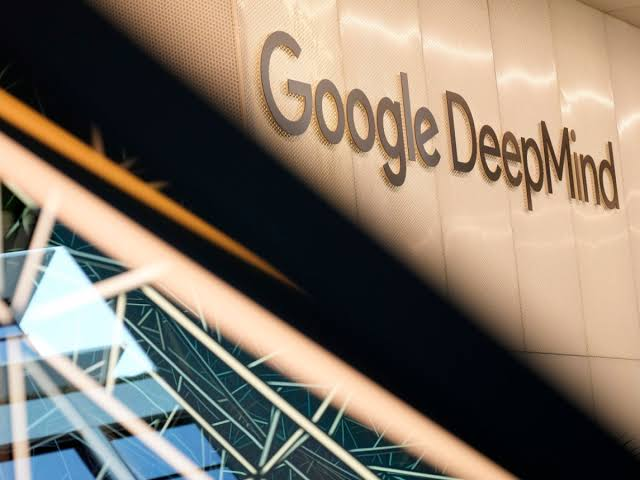
Islamabad (GNP): A former Google DeepMind employee has become the latest artificial intelligence (AI) researcher to warn that the technology could “kill all humans,” saying time may be running out to avoid such an outcome. Bilal Chughtai, who worked as a research engineer at DeepMind and left the company in July 2026, wrote on X that he believed AI had the potential to cause catastrophic harm to humanity and that the window to prevent this was narrowing.
Chughtai’s warning follows growing public concern over AI risk, sparked in part by former Anthropic researcher Jacob Coxon, who resigned last week saying he believed the people building AI systems genuinely feared the technology could kill everyone within the decade. Anthropic scientist Evan Hubinger responded to Coxon’s remarks shortly afterward, agreeing with the assessment and estimating a greater than ten percent chance that AI could cause human extinction within the next ten years.
The mounting warnings coincided with a broader industry response over the weekend, when Anthropic Chief Executive Officer (CEO) Dario Amodei called for a slowdown in the pace of advanced AI development. Amodei’s call drew rare public backing from xAI owner Elon Musk and OpenAI CEO Sam Altman, both of whom voiced agreement with his assessment and helped spark a wider debate over what critics have described as AI “doomerism.”
Chughtai, who co-authored research papers during his time at DeepMind, said navigating AI development safely remained possible but would require coordination among companies to avoid what he called a “manic race” between AI firms. He said the pace of development needed to be brought in line with what society could reasonably manage, allowing emerging risks to be identified and addressed before serious harm could occur. Google did not respond to a request for comment outside regular business hours.
Also Read: Rising Online Betting Debts Push India Toward Tighter Gambling Rules
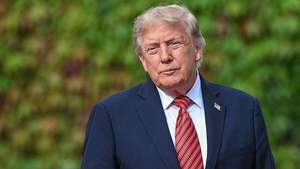
Not all reaction to the warnings has been supportive. President Donald Trump has dismissed the concerns, describing the AI industry’s calls for regulation as a “hoax” in comments posted on social media. His remarks stand in contrast to the growing chorus of researchers and industry leaders urging caution, underscoring a widening divide between policymakers and the scientists and executives shaping the technology’s development.
The exchange between Chughtai, Coxon, Hubinger and Amodei reflects a broader reckoning within the AI industry over how quickly powerful systems should be built and deployed. As warnings from within leading AI labs continue to accumulate, the debate over whether to slow development, and how such a slowdown could realistically be coordinated across competing companies and governments, appears likely to intensify in the months ahead.
Chughtai said, “AI has the potential to kill us all.”