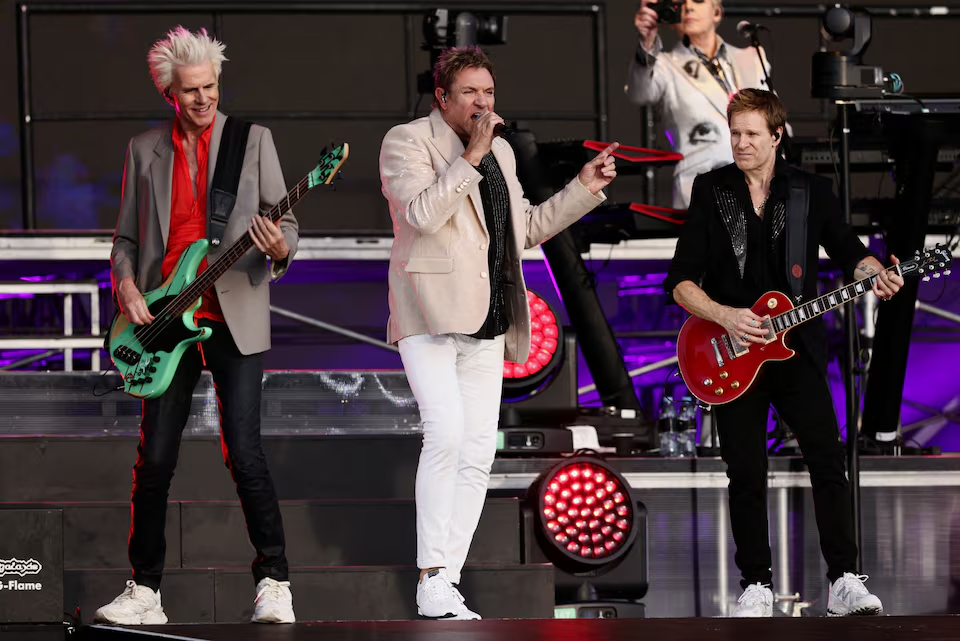
Britain’s music festivals are showing signs of recovery after a difficult few years, with major events including Boomtown selling out at record speed this year as payment plans help fans afford tickets and organisers respond to growing demand for higher-end experiences.
The recovery marks a positive shift for Britain’s live music sector, which, according to industry body UK Music, contributed £8 billion to the economy in 2024 after being hit hard by the COVID-19 pandemic and the rising cost of living.
Several major festivals reported strong ticket sales this year, with Download, the roughly 80,000-person event headlined by Linkin Park, and jazz-focused We Out Here both selling out in record time. The Isle of Wight and End of the Road festivals also sold out, while Shambala and Womad reported quicker-than-usual sales.
Some organisers attributed part of the boost to Glastonbury’s planned break this year, though others noted the high-profile festival typically helps drive wider sales when it does take place. Association of Independent Festivals chief executive John Rostron said the sector was emerging from a rough period shaped by the pandemic and Brexit, adding that improved weather in recent years had also supported attendance.
Despite the signs of recovery, the industry remains under considerable pressure, particularly for smaller festivals. The Association of Independent Festivals said 36 events have been cancelled so far in 2026, a total that could mark the lowest annual figure since the pandemic, compared with 43 cancellations in 2025 and 78 in 2024. The overall number of festivals has also declined sharply, falling from a peak of 800 to 900 in 2018 and 2019 to 592 in 2025 amid rising costs and intensifying competition.
Organisers say attendees are increasingly drawn to added extras such as glamping and wellness experiences, even as rising prices raise customer expectations. Boomtown managing director Toby Gwazdacz said customers are being more selective with their spending and want the best possible experience when they do commit to a festival.
Also Read: K-Pop Band Cortis Urges Fans to Put Phones Down at Concerts
Prices for larger multi-day camping festivals now typically range from £200 to £380, with total costs including travel and spending money often exceeding £800, while a ticket to Reading or Leeds in 2026 can cost as much as £361, up from around £230 in 2019, and luxury VIP packages can add more than £500 per person.
Payment plans and tiered ticketing have become increasingly central to how festivals are sold. According to ticketing platform Kaboodle, around 45 percent of tickets for Britain’s camping festivals are typically purchased using a payment plan, while Mighty Hoopla co-founder Jamie Tagg estimated that about 70 percent of its attendees use payment plans or cheaper group tickets.
Ticket resale activity is also expected to reach its strongest level yet in 2026, according to Tixel’s European head Matt Kaplan, who said Glastonbury’s fallow year was likely driving additional demand on resale platforms.
Challenges remain across the sector, with Womad festival director Chris Smith citing ongoing Brexit-related visa delays that left 15 artists still awaiting approval to perform just four weeks before the main Womad event in England. Heritage Live, which cancelled three festivals in July, said rising costs driven by large multinational competitors had affected supplier, artist and staffing expenses.
Meanwhile, several independent festivals, including Mighty Hoopla and Boomtown, have sold stakes to major companies that now own most of the UK’s biggest events, a move organisers say can help stabilise finances even as some independents describe the competition from larger, better-funded rivals as increasingly difficult to match.