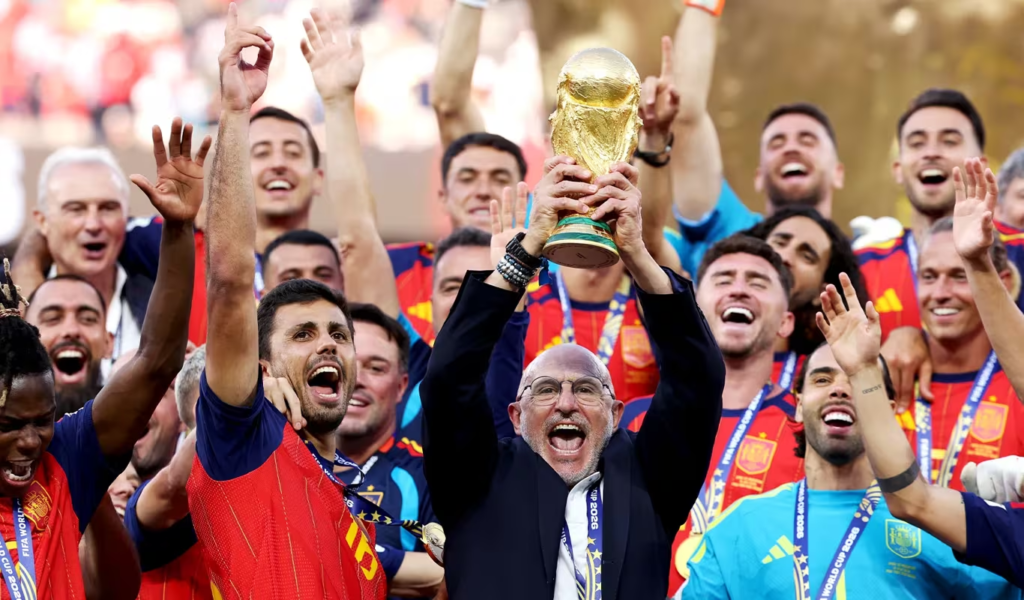
New York (GNP): Spain crowned themselves FIFA World Cup champions for the second time after defeating defending champions Argentina 1-0 in extra time in a dramatic final at New York New Jersey Stadium.
The victory not only earned Spain another world title but also marked the end of Argentina’s dream of retaining the trophy they won in Qatar four years earlier. The final brought together two football giants. Spain entered the match as the reigning European champions, while Argentina arrived as the defending world champions led by Lionel Messi.
Football fans expected an attacking spectacle, but instead witnessed a tactical contest where patience, discipline, and defensive organization became the defining features of the game. For almost 90 minutes, neither team could find the breakthrough.
Spain controlled possession and dictated the rhythm, while Argentina relied on disciplined defending and hoped to create opportunities through quick counterattacks. However, Spain’s constant pressure eventually proved decisive.
The winning moment came in the 106th minute of extra time. Pedro Porro delivered a cross into the penalty area, Nico Williams headed the ball across goal, and substitute Ferran Torres calmly fired it into the roof of the net. That single goal was enough to decide the biggest match in world football.
Spain were the better side for most of the final. They dominated possession, controlled midfield, and created far more attacking opportunities than Argentina. Throughout the match, Spain remained committed to their trademark style of quick passing and patient. Rodri once again describe why he is considered one of the world’s finest midfielders.
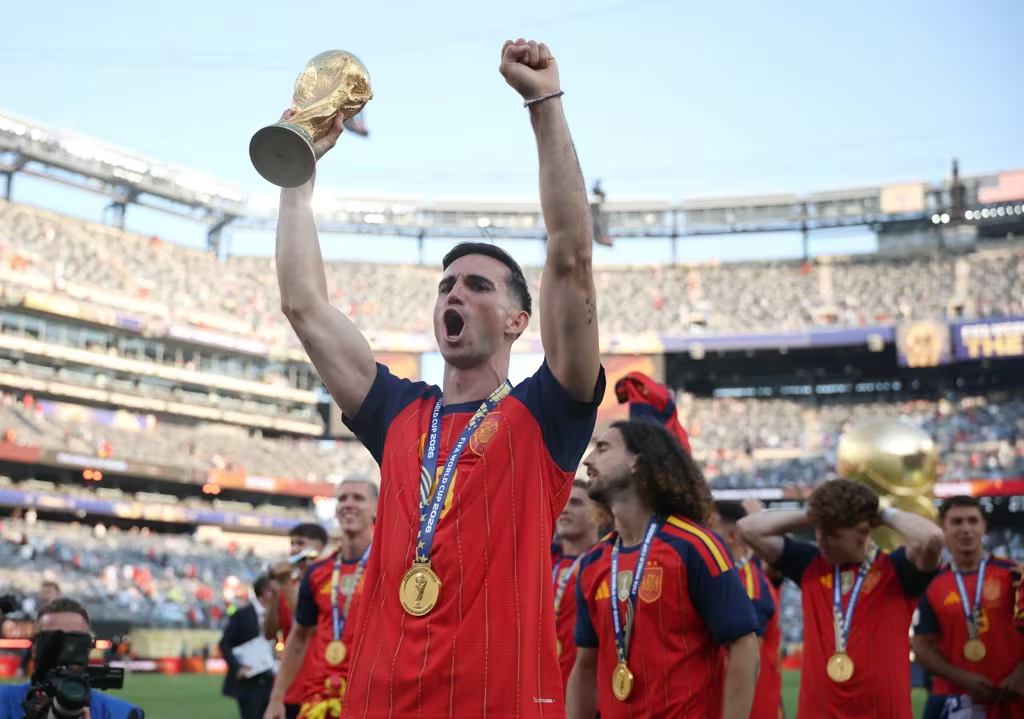
His calm distribution allowed Spain to dictate the pace while preventing Argentina from establishing any attacking rhythm.
FIFA statistics also showed that Rodri finished the tournament with a record number of completed passes, highlighting Spain’s control throughout the competition. Spain’s squad depth also made the difference. Coach Luis de la Fuente introduced fresh players at the right moments, and the winning goal came from substitute Ferran Torres after excellent work by fellow substitute Nico Williams.
Another important factor was Spain’s patience. Despite missing different chances and facing an inspired performance from Argentine goalkeeper Emiliano Martínez, the players never abandoned their tactical discipline.
Argentina’s defeat was not caused by a single mistake but by various factors that gradually shifted the balance in Spain’s favor.One of the biggest problems was the team’s lack of attacking opportunities. According to Reuters, Argentina failed to register a single shot during normal time, an unprecedented statistic for a World Cup final. Spain’s aggressive pressing and organized defense completely disrupted Argentina’s attacking game.
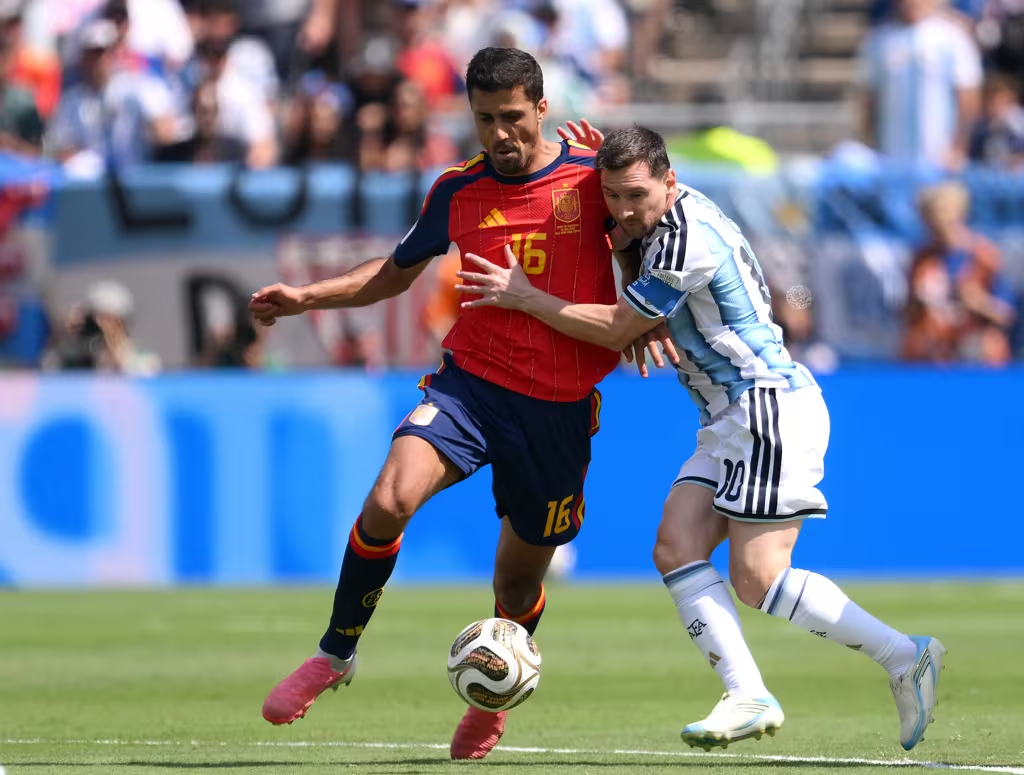
Another turning point came in stoppage time when midfielder Enzo Fernández received a second yellow card and was sent off. Argentina had to play the entire extra-time period with ten players, making an already difficult task even harder.
Despite the numerical disadvantage, Argentina defended bravely. Goalkeeper Emiliano Martínez produced several outstanding saves that kept his side in the contest for more than 100 minutes. However, even his heroics could not stop Spain’s relentless pressure. The match carried enormous emotional significance because it is widely expected to be Lionel Messi’s final FIFA World Cup appearance.
Although the Argentine captain showed his usual determination and leadership, Spain’s defensive organization limited his influence throughout the match.Messi leaves the World Cup as one of the greatest players in football history. Regardless of the final result, his achievements including winning the 2022 World Cup have secured his place among the game’s legends.
Also Read: Lebanon-Israel talks in Rome depend on U.S. pressure on Israel
The contrast between the two teams was clear. Spain built attacks patiently, relying on possession, accurate passing, and constant movement. Their midfield controlled the tempo, while their full-backs regularly supported attacks.Argentina adopted a more defensive approach, hoping to exploit spaces through counterattacks.
While the strategy helped keep Spain scoreless during normal time, it also limited Argentina’s own attacking opportunities. Statistics reflected Spain’s superiority. Reuters reported that Spain finished with 20 attempts, while Argentina managed only three, illustrating the difference in attacking intent.
Although Spain received widespread praise for their discipline and tactical maturity, the final itself attracted mixed reactions. Some football analysts described the match as lacking attacking excitement because of the large number of fouls and frequent interruptions. Others argued that Argentina became too defensive and failed to adapt after losing Enzo Fernández. Following the match, Argentina also faced criticism over incidents after the final whistle, including confrontations during Spain’s celebrations.
Spain’s victory marks the return of one of football’s greatest nations to the summit of the game. Winning both the UEFA European Championship and the FIFA World Cup under Luis de la Fuente confirms the success of Spain’s rebuilding project. The triumph also strengthens the country’s reputation for developing technically gifted young players.
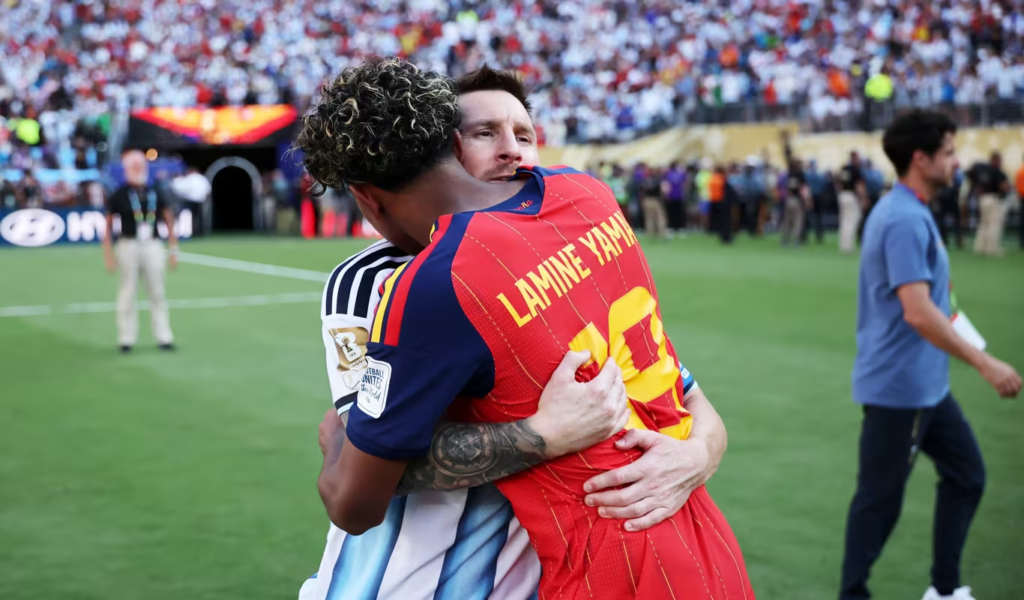
For Argentina, the defeat ends their hopes of becoming the first team since Brazil in 1962 to successfully defend a World Cup title. The result may also signal the beginning of a new era as the team prepares for life after Messi.
The 2026 FIFA World Cup final will be remembered not for an avalanche of goals but for tactical discipline, patience, and one decisive moment of brilliance. Spain proved throughout the match that control, teamwork, and resilience can overcome even the strongest opponents.
Argentina leave the tournament disappointed but with their reputation intact after another remarkable World Cup campaign. Spain, another, celebrate a historic second world title and begin a new chapter as the undisputed champions of world football.