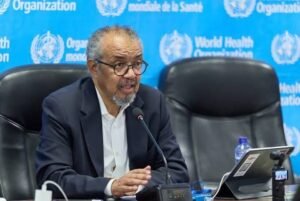
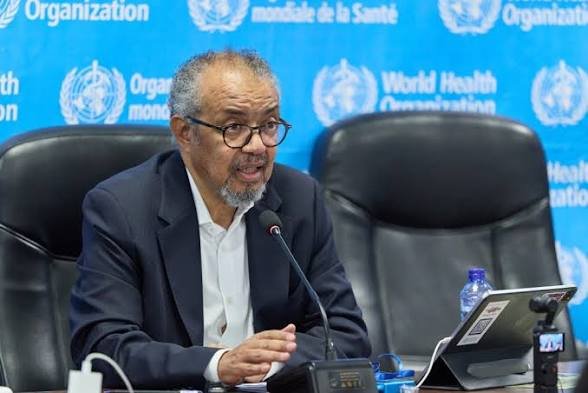
Africa (GNP): The Director-General of the World Health Organization (WHO), Dr. Tedros Adhanom Ghebreyesus, has reaffirmed the critical importance of community leadership and local engagement in bringing an end to the ongoing Ebola outbreak in eastern Democratic Republic of Congo (DRC).
During a recent visit to Bunia, the capital of Ituri Province, Dr. Tedros met with a diverse group of community leaders to discuss strategies for strengthening the response to the outbreak and protecting public health.
The meeting brought together representatives from faith-based organizations, women’s groups, youth organizations, businesses, and other sectors of society.
The discussions focused on the vital role that local communities play in controlling and preventing the spread of Ebola, particularly in regions where trust, cooperation, and community participation are essential for effective public health interventions.
Dr. Tedros emphasized that ending the Ebola outbreak will depend heavily on the involvement of local leaders who possess a deep understanding of their communities, including their challenges, concerns, and cultural practices.
He noted that community members are often the most trusted sources of information and can help ensure that health messages reach people in a clear and effective manner.
During the discussions, participants highlighted the importance of community ownership of the Ebola response.
According to Dr. Tedros, successful disease control efforts require more than medical interventions alone. Communities must be actively involved in decision-making processes and encouraged to take responsibility for protecting public health.
This approach helps build trust between health authorities and local populations, which is essential during public health emergencies.
The WHO Director-General also stressed the need to promote life-saving behaviors, including seeking medical care as soon as symptoms appear, reporting suspected cases promptly, and supporting safe and dignified burial practices. These measures are critical in preventing further transmission of the Ebola virus.
Additionally, participants discussed the growing challenge of misinformation, which can undermine response efforts and create fear or confusion among the public.
Dr. Tedros acknowledged the Democratic Republic of Congo’s extensive experience in responding to Ebola outbreaks.
Also Read: Pakistan stands with Nepal in flood crisis, Musadik Malik
Over the years, the country has successfully contained several outbreaks through strong collaboration between health authorities, international partners, and local communities. He noted that many of these successes were made possible because communities actively participated in response activities and worked closely with health professionals.
Recognizing the dedication and commitment of local leaders, Dr. Tedros pledged WHO’s continued support for community-based initiatives aimed at ending the outbreak as quickly as possible.
He emphasized that WHO remains committed to providing technical expertise, resources, and coordination support to national and local authorities throughout the response effort.
The Ebola outbreak in eastern DRC presents significant public health challenges due to the region’s complex social and security environment.
However, WHO officials believe that with strong community engagement, coordinated action, and sustained support from partners, the outbreak can be brought under control.
The meeting in Bunia reflects WHO’s broader commitment to placing communities at the center of health emergency responses.
By empowering local leaders and fostering collaboration across different sectors of society, the organization aims to strengthen public trust, improve health outcomes, and accelerate efforts to stop the spread of Ebola.
As global health challenges continue to evolve, WHO remains dedicated to working alongside governments, healthcare workers, and communities to protect lives and build resilient health systems.
The organization reaffirmed its commitment to supporting the people of the Democratic Republic of Congo and ensuring that all necessary measures are taken to bring the current Ebola outbreak to an end.