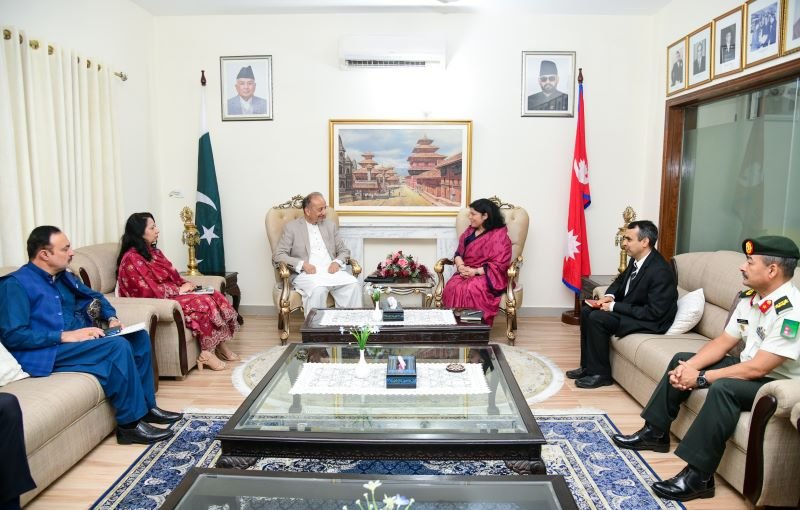
Islamabad (GNP): Federal Minister for Climate Change and Environmental Coordination Dr Musadik Malik expressed Pakistan’s solidarity with Nepal as the country grapples with the devastating impact of floods and other climate-induced disasters.
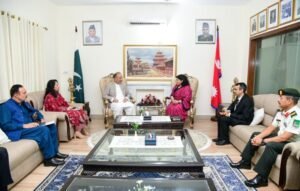
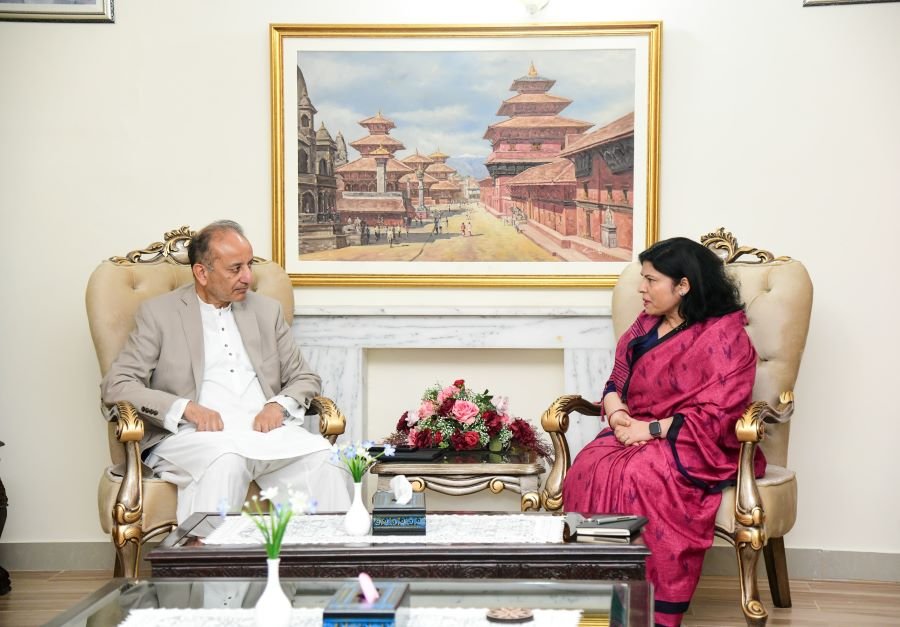
The minister conveyed his condolences during a meeting with Nepal’s Ambassador to Pakistan, Ms Rita Dhital, saying the loss of life and destruction were of a magnitude that could not be adequately expressed in words.
“Pakistan stands with Nepal. Nepal is not alone,” Dr Malik said, assuring the ambassador that Islamabad was ready to provide technical and other assistance for ongoing search, rescue and recovery efforts.
He said the scale and complexity of the disaster required the mobilisation of all available resources, including modern technologies such as satellite imagery, drones and artificial intelligence.
“Whatever we are trying to do for our people is at your disposal,” he said.
Dr Malik said the disaster highlighted the need for countries in the region to develop a joint response to climate-related risks, particularly those associated with glacial lake outburst floods (GLOFs).
“We cannot fight nature, but we can reduce its impact,” he said, stressing the importance of cooperation among upstream and downstream countries in developing early-warning systems, risk profiles and other mechanisms to protect vulnerable communities.
The minister said Pakistan was willing to share its experience and data, including its inventory of GLOF risks, with Nepal and work jointly on disaster preparedness and climate resilience.
The meeting also focused on the economic impact of the disaster. Dr Malik noted that extensive damage to roads and other infrastructure had disrupted connectivity and placed a heavy burden on Nepal’s economy.
He said the scale and urgency of climate disasters required a rethink of existing international financing mechanisms.
“People need support now,” he said, stressing that developing economies with limited resources could not absorb losses of such magnitude on their own.
Dr Malik said the issue of climate-induced loss and damage should be given greater attention at the UN climate conference (COP), adding that he would raise the concerns of vulnerable developing countries at the forum.
He also conveyed Prime Minister Shehbaz Sharif’s concern over the situation in Nepal and reiterated Islamabad’s commitment to extending support to the country.
The two sides discussed enhanced cooperation in climate science, GLOF monitoring, risk assessment, disaster preparedness, early-warning systems and the use of technology in rescue and recovery operations.
Also read: WHO Highlights Safe Care on World Patient Safety Day
Dhital appreciated Pakistan’s expression of solidarity and support, while the minister reiterated that the two countries shared a responsibility to work together in confronting the growing risks posed by climate change.

Sohail Majeed is a Special Correspondent at The Diplomatic Insight. He has twelve plus years of experience in journalism & reporting. He covers International Affairs, Diplomacy, UN, Sports, Climate Change, Economy, Technology, and Health.