Islamabad (GNP): The World Health Organization (WHO) has joined Pakistan’s Federal Ministry of Health, provincial health authorities and other partners in efforts to further strengthen national and provincial preparedness and coordination for health emergencies.
The initiative reflects the growing importance of having effective systems in place before emergencies occur.
Health crises, including disease outbreaks, natural disasters and other public health threats, can place significant pressure on health systems and communities.
Strong preparedness and timely coordination can help authorities detect threats earlier, organize resources and respond more effectively.
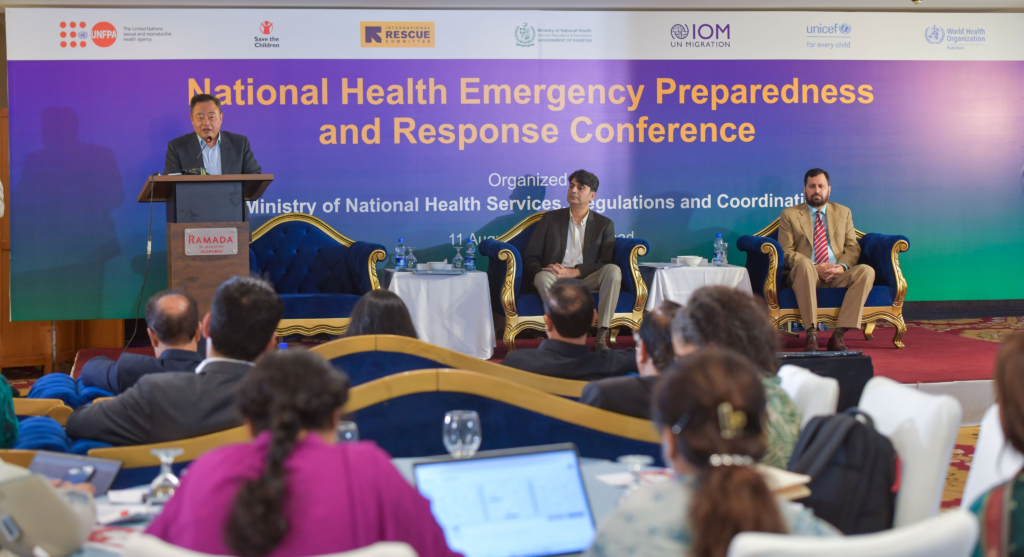
WHO Pakistan highlighted the collaboration following a national conference focused on health emergency preparedness and response.
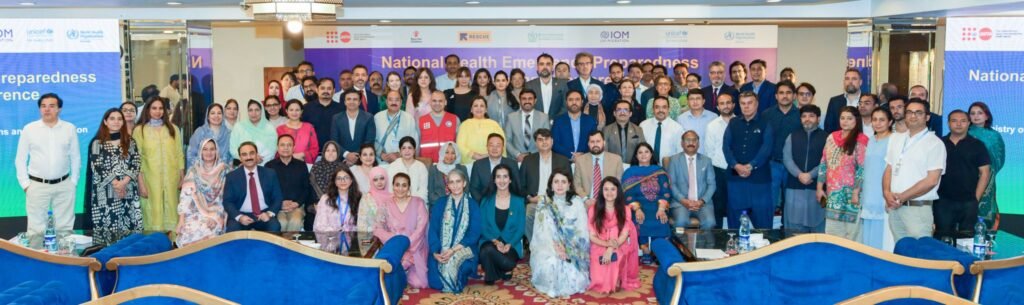
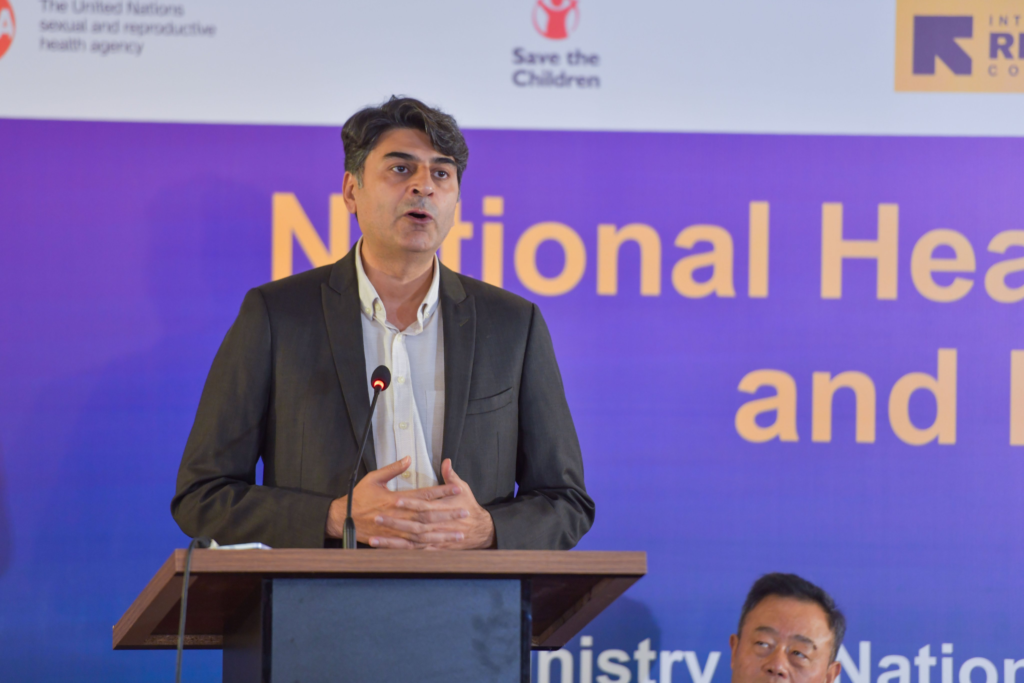
The engagement brought together representatives from the federal and provincial health sectors and other stakeholders to discuss ways of improving coordination and strengthening Pakistan’s capacity to respond to health emergencies.
Health emergency preparedness involves much more than responding after a crisis has already begun.
It includes developing plans, strengthening surveillance and response systems, improving coordination between institutions, building the capacity of health workers, and ensuring that essential resources can be mobilized when needed.
The World Health Organization has repeatedly emphasized that countries need stronger national capacities to detect, assess and respond to public health threats.
Under the International Health Regulations, countries are expected to maintain core capacities for surveillance, notification and response to public health events that may pose international risks.
For Pakistan, effective coordination is particularly important because health emergencies can affect different provinces and administrative levels simultaneously.
Cooperation between federal institutions, provincial health departments, emergency response structures and international partners can help ensure that information and resources reach affected populations more quickly.
Recent WHO work on national public health agencies has also highlighted the importance of clear institutional mandates, coordination, accountability, communication and sustainable financing in emergency preparedness.
A 2026 WHO analysis involving Pakistan noted that the country’s decentralized governance structure can create coordination challenges and highlighted efforts to strengthen federal-provincial mechanisms and real-time surveillance.
The conference therefore provides an opportunity for stakeholders to examine existing preparedness mechanisms and identify areas where coordination and response capacity can be improved.
Also Read: Mass Evacuations in Beijing as Typhoon Dolphin Triggers Heavy Flooding
Such discussions are particularly significant as countries face increasingly complex health threats that can cross provincial and national borders.
WHO has also emphasized that health emergency preparedness requires a multisectoral approach. Public health emergencies cannot always be managed by the health sector alone.
Effective preparedness may require cooperation involving government departments, emergency management authorities, laboratories, health facilities, communities and development partners.
Pakistan has previously developed national mechanisms for health emergency preparedness and response, including the National Health Emergency Preparedness and Response Network.
WHO has supported Pakistan’s efforts to strengthen coordination and emergency response capacity over the years.The experience of the COVID-19 pandemic further demonstrated the importance of preparedness.
Health systems around the world faced challenges involving surveillance, laboratory capacity, emergency coordination, health workforce pressures and public communication.
The lessons from the pandemic have encouraged countries to strengthen preparedness rather than relying solely on emergency measures once a crisis begins.
WHO’s recent global guidance similarly stresses structured approaches to preparedness, readiness and response, including simulation exercises and regular assessment of national capacities.
The Pakistan conference also underscores the importance of cooperation between national and provincial authorities.
A coordinated approach can help reduce duplication, improve information sharing and allow decision-makers to respond to emerging threats on the basis of timely evidence.
Preparedness is especially important in situations where emergencies develop rapidly.
Early warning systems, trained personnel, emergency plans and clear communication channels can make a significant difference in protecting communities and reducing preventable loss of life.
WHO Pakistan said the continued collaboration with Pakistan’s health authorities and partners is aimed at strengthening national and provincial health emergency preparedness and coordination.
The organization emphasized that preparedness and timely health emergency responses can save lives.
The continued focus on preparedness reflects a broader international effort to build resilient health systems capable of responding to both known and emerging threats.
For Pakistan, strengthening coordination at every level remains an important part of ensuring that health authorities are prepared to act quickly and effectively when emergencies occur.