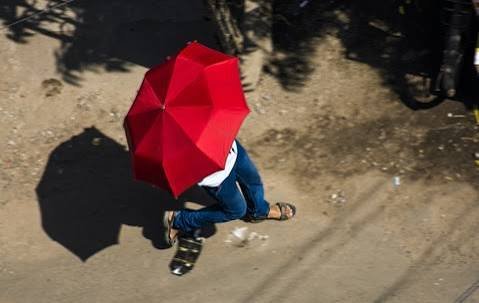
WHO (GNP): The World Health Organization has issued a public awareness message encouraging people around the world to protect themselves from harmful UV Radiation. The organization emphasized that air temperature alone should never be used to judge the risk of ultraviolet exposure because dangerous levels of UV Radiation can occur even when the weather feels cool or comfortable.
According to WHO, many people wrongly believe that only very hot days carry a high risk of ultraviolet exposure, leading them to spend long periods outdoors without taking the necessary precautions. The organization stressed that improving public awareness is essential for protecting people from preventable health problems caused by excessive exposure to ultraviolet rays.
UV Radiation Remains Harmful Beyond Hot Weather
WHO explained that UV Radiation generally reaches its highest level around midday, often before the hottest part of the day. This means people may unknowingly expose themselves to dangerous ultraviolet rays while feeling comfortable because of moderate temperatures or cloudy conditions.
Health experts say that ultraviolet rays can penetrate through light cloud cover, making protection necessary even when the sun does not appear intense. The organization encouraged individuals to understand that the risk depends on UV Radiation levels rather than the surrounding temperature. By recognizing this difference, people can make better decisions about outdoor activities and reduce unnecessary exposure to harmful sunlight.
The World Health Organization warned that excessive exposure to UV Radiation can cause a number of serious health problems over time. Continuous exposure may result in premature skin ageing, sunburn, eye damage, and a greater risk of developing skin cancer.
Long term exposure can also weaken the natural protective functions of the skin and increase the likelihood of other health complications. WHO stated that raising awareness about these risks remains an important part of global public health efforts because many of these conditions can be prevented through simple protective measures adopted on a daily basis.
UV Radiation Awareness Helps Prevent Health Risks
To help people protect themselves, WHO advised the public to regularly check the daily UV Index through local weather services or reliable mobile applications. The UV Index provides important information about the strength of ultraviolet rays and helps individuals plan outdoor activities more safely.
By monitoring the UV Index, people can choose suitable times for outdoor work, exercise, and recreation while avoiding periods when UV Radiation is at its highest. WHO noted that greater awareness of daily ultraviolet conditions allows families, schools, and workplaces to take appropriate preventive measures that reduce health risks.
The organization also recommended several practical steps that can significantly reduce exposure to UV Radiation. These include wearing long sleeved clothing that covers the skin, using sunglasses that provide proper ultraviolet protection, wearing a wide brimmed hat, and applying sunscreen before spending time outdoors.
WHO explained that these protective habits are simple, affordable, and highly effective in reducing the harmful effects of ultraviolet rays. Public health experts also advised people to seek shade whenever possible during peak sunlight hours and to pay particular attention to protecting children, who are often more vulnerable to sun related health problems.
WHO further emphasized that protection from UV Radiation should not be limited to the summer season. Although outdoor activities increase during warmer months, ultraviolet rays remain present throughout the year and can still cause damage during cooler seasons.
Climate change and changing weather patterns have made public awareness even more important because ultraviolet exposure may vary from day to day regardless of temperature. The organization encouraged governments, educational institutions, healthcare providers, and the media to continue promoting information that helps people understand the importance of year-round sun protection.
Also read: Europe’s Heatwave 2026 Kills 1300, WHO Issues Urgent Warning
Concluding its public awareness message, the World Health Organization reaffirmed that protecting people from UV Radiation is a shared responsibility that requires informed choices and consistent preventive action. The organization encouraged everyone to develop healthy habits by checking the UV Index regularly, following recommended safety measures, and educating family members about the dangers of excessive ultraviolet exposure.
WHO believes that increased awareness, responsible behaviour, and early preventive action can reduce the global burden of skin diseases, eye disorders, and other UV related illnesses while supporting healthier communities around the world.