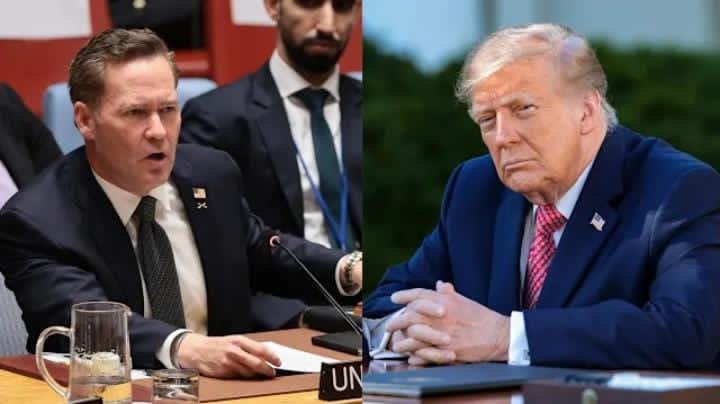
US President Donald Trump is weighing whether to reach a deal with Iran or take further military action. Trump recently spoke about making a deal with Iran or taking action to “finish them off.” His remarks have attracted international attention and raised questions about what Washington really wants from Tehran.
The situation has raised questions about whether Trump’s strong language signals a genuine intention to escalate the conflict or is intended to increase pressure on Iran during negotiations. In my view, the key issue is whether the two governments can turn this pressure into an agreement that reduces the risk of further fighting.
Iran Says Diplomacy is Still Ongoing
Despite Trump’s threats, Iran has indicated that diplomatic communication remains possible. Reports say Iran is dismissing Trump’s attack threats while maintaining that diplomacy is ongoing. This suggests that the possibility of negotiations remains relevant, although it does not guarantee that a deal will be reached.
Reports also describe continued communication through intermediaries. Governments can keep talking while preparing for possible conflict, so ongoing diplomacy should not be mistaken for a confirmed peace agreement.
Why the Strait of Hormuz Matters
The Strait of Hormuz is a crucial route for global oil shipments, making it an important part of the dispute. Any major disruption to shipping through the waterway could affect energy markets and countries that rely on imported fuel.
Reports have also discussed proposals for a phased arrangement involving reopening the Strait and ending the US blockade. These proposals illustrate why maritime security and diplomacy are closely connected in the current crisis.
Could Trump Be Using Threats to Get a Deal?
Trump may be using strong threats to increase pressure on Iran and strengthen his negotiating position. However, this interpretation is a prediction, not a confirmed explanation of his intentions. Trump’s remarks and Iran’s response provide useful context for understanding the public statements from both sides.
A threat does not necessarily mean an attack will happen, just as continued talks do not guarantee peace. The actual terms of any future agreement will matter more than the language used to describe it.
Trump is not going to finish Iran off. He’s using the threat to get a better JCPOA. He says “no strike today, let’s make a deal” to calm the oil market, and says “finish them off” to scare Iran & force Iran to the table. There will be no Epic Fury. Instead, Trump will get a new nuclear deal that is 80% Obama’s old deal, but will call it total victory and say “we get everything.”
This is my interpretation of Trump’s strategy, rather than a confirmed outcome. The prediction is that the threats are intended to increase pressure on Iran and encourage negotiations instead of leading to an all-out military campaign. Whether this prediction proves correct remains to be seen.
Could a New Nuclear Agreement Be Possible?
The nuclear issue remains central to any potential agreement between Washington and Tehran. The earlier Joint Comprehensive Plan of Action (JCPOA) was an international nuclear agreement reached in 2015. A future agreement might borrow some of its ideas, but its actual terms would determine how closely it resembles the original deal.
For countries that import energy, a prolonged conflict or disruption to oil shipments could increase costs. A credible agreement that reduces tensions would be preferable to a prolonged confrontation, although the eventual economic effects will depend on how events develop.
Also Read: Pakistan-Malaysia Partnership can Unlock ASEAN Markets, PMFA
Reports about possible phased discussions between the United States and Iran provide context for the possibility of negotiations covering several connected issues. However, reports about proposals should not be treated as proof that a final nuclear agreement has been reached.
What the Conflict Could Mean for Pakistan
The consequences of the conflict could extend to Pakistan and other countries in the region, particularly through energy prices, trade, and regional security. Reports have described a Pakistan-brokered interim arrangement involving Iran and the United States, highlighting the potential role of mediation in keeping diplomatic channels open.
A Deal Could Matter More Than a Military Victory
Trump’s choice between pursuing an agreement with Iran and escalating military action could have consequences for regional stability and the global economy. Recent reports describe the tension between Trump’s warnings and the continued possibility of diplomacy.
Trump may ultimately prefer a deal that he can present as a major political victory. The most important signs to watch are whether talks continue, whether the two sides announce concrete terms, and whether developments reduce the risk of further conflict.
The views presented in this blog are the author’s own and do not necessarily reflect the views of Global News Pakistan

I am Areesha, a 3rd-year International Relations student with a strong academic focus on Foreign Policy, International Law, History of International Relations, Non-State Actors, and Diplomacy & Statecraft. With a diverse internship background including HESCO, ISPR, and a current Research and Media Newsletter internship focused on Climate and Economy, I bring a unique blend of analytical thinking, research skills, and media understanding. I am passionate about translating complex global affairs into engaging, reader-friendly, and SEO-optimized content. My academic training in IR has equipped me with excellent research, critical analysis, and structured writing skills, which I now aim to apply in the field of SEO writing and digital content creation. Seeking an opportunity as an SEO Writer Intern where I can contribute with well-researched, impactful, and search-optimized content.