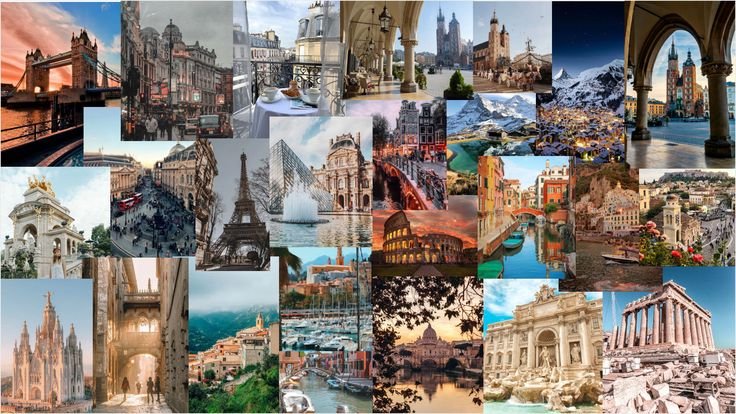
Every year National Geographic makes a list. Twenty five places in the world you should see next year. Not the usual Paris, London, Rome list. Places that have something special happening. A reason to go now.
This week they released the list for 2027. And six of those places are in Europe. Not the places everyone goes to. Quieter, more interesting places.
1. Vestland, Norway
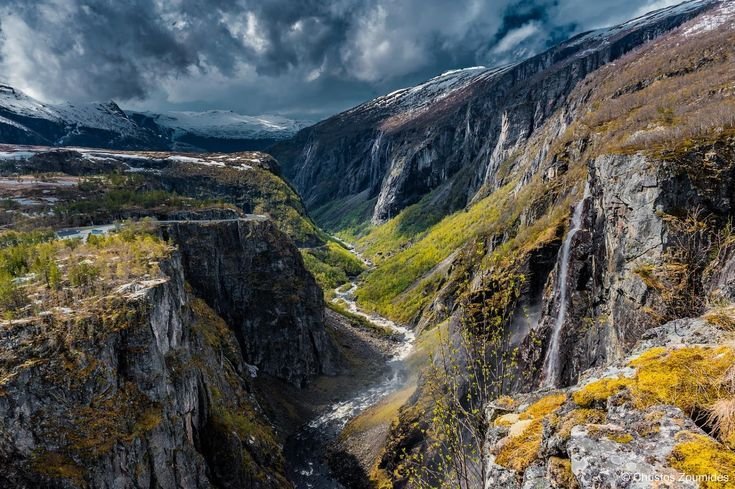
The first one is Vestland in Norway. They actually put Vestland at the very top of the whole world list. If you have never seen a fjord, you will not understand. The mountains go straight up from the water. Waterfalls fall from nowhere.
In Vestland there is a place called Naeroyfjord, which is so narrow and deep that it is a UNESCO site. In 2027 they are opening new hiking trails that were closed for years to protect nature. People go there not for parties, but for silence. You take a small electric boat through the fjord and you don’t hear anything except water.
Vestland is not a city. It is a whole region of fjords. When you are there, you feel small in a good way. The mountains are so high and the water is so deep and dark. I read that some fjords there are more than 1,000 metres deep.
The most famous one is Naeroyfjord. It is so narrow that in some places the mountain walls are only 250 metres apart, but they rise 1,700 metres above you. You take a boat and there is no phone signal. Just water falling from the cliffs.
In 2027, they are opening the old postal route trail that was used by people 100 years ago to deliver mail between villages that had no roads. Now you can hike it. The villages along the way are still there, with red wooden houses and old stave churches. People go to Vestland to breathe. The air is different there.
2. Dumfries and Galloway, Scotland
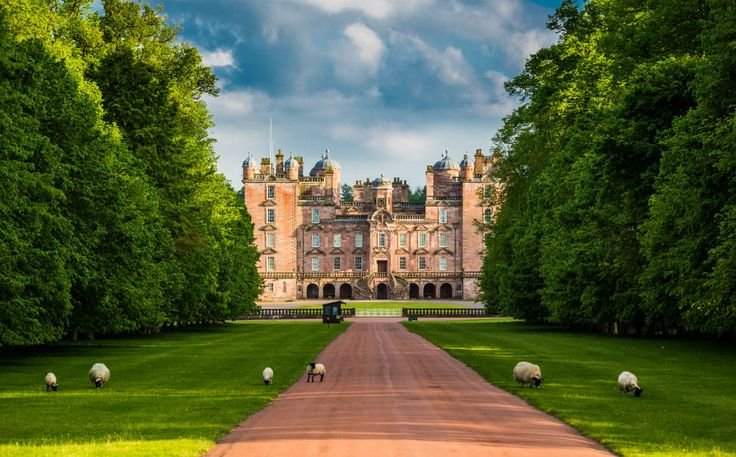
Second is Dumfries and Galloway in Scotland. Everyone goes to Edinburgh, to the Highlands. No one goes to the south west. That is why it is still wild.
There are dark forests where you can see more stars than anywhere else in Europe. They have a dark sky park. There are old castles that are not full of tourists. And the coast is empty. Cold, windy, beautiful. If you want Scotland without the crowds, this is it.
If you ask a Scottish person about Dumfries and Galloway, they will probably smile and say, “Ah, the quiet south.” It is in the very bottom of Scotland, near England, but it feels like the end of the world.
There is a big forest called Galloway Forest Park. At night, it is one of the darkest places in all of Europe. They call it a Dark Sky Park. You can see the Milky Way with your own eyes, not in a photo. During the day, you can walk for hours and meet no one.
There are castles like Caerlaverock Castle, which is shaped like a triangle. Very strange. And the coast is wild, with cliffs and little harbours where fishermen still fix their nets. Robert Burns, the national poet of Scotland, lived and died here. His house is still there. There are no crowds, no tour buses. Just wind and sheep and old stones.
3. Santander, Spain
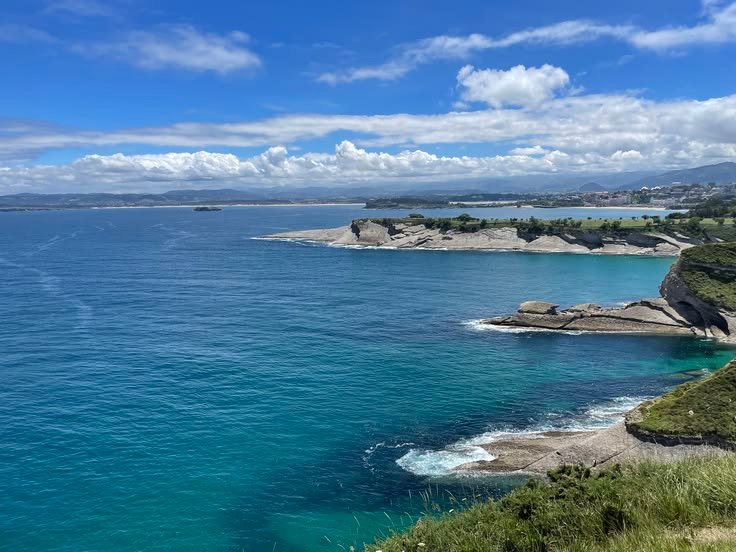
Third is Santander in Spain. Not Barcelona, not Madrid. Santander is in the north, on the green coast. The Spanish call it green Spain because it rains there and everything is lush.
Santander has a big bay, one of the most beautiful bays in the world. It has beaches right next to the city, and mountains right behind. And the food. In the north of Spain the food is different. More fish, more cheese, more simple things. In 2027 the city is renovating its whole waterfront. Old industrial buildings are becoming museums and food halls.
Santander is not the Spain you see on Instagram. There is no flamenco, no dry desert. It is green. Very green. Because it rains a lot in the north, the hills behind Santander are like Ireland. But the city itself is on a perfect bay. The bay is so big and blue that people say it is one of the most beautiful bays in the world.
In the city, there are two beaches right in the middle, including Playa del Sardinero. You can finish work and go swimming. The old part of Santander burned down 80 years ago, so the city built itself again in a very elegant, white way.
Now they are fixing the old port. Old warehouses are becoming places where you can eat fresh anchovies and drink cider. The food there is from the sea. And if you drive 30 minutes inland, you are in the Picos de Europa mountains, where you can hike all day.
4. Normandy, France
Fourth is Normandy in France. This one has a big reason. In 2027 Normandy turns one thousand years old. One thousand years since the Normans. So all year they are doing something called Millennium 2027.
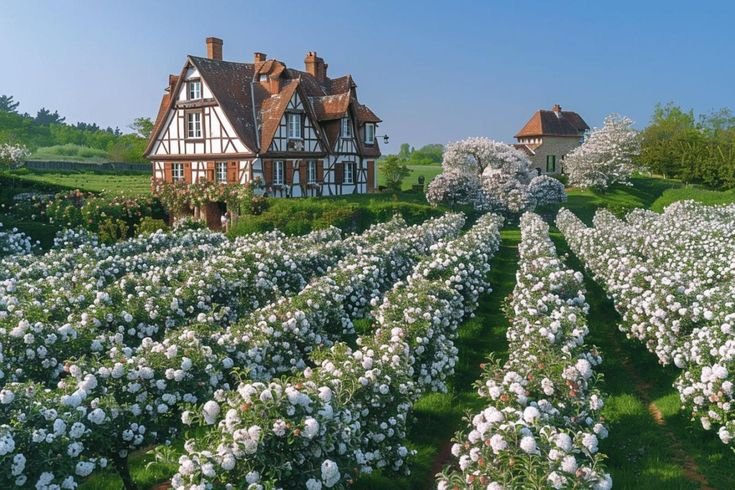
More than a thousand events. Medieval feasts where you eat with your hands, concerts in old churches, street theatre where people dress like Vikings and Normans. And besides that, Normandy is always beautiful. The white cliffs, the small villages with apple orchards, the D-Day beaches. You can go for history or you can go for camembert cheese. Both are good reasons.
Normandy in 2027 will be one big birthday party. A thousand years ago, the Normans were born as a people. From Normandy they went to England, to Sicily, everywhere. So all of Normandy is celebrating its Millennium.
In Caen, they will rebuild a medieval village. In Rouen, where Joan of Arc died, there will be lights on the cathedral at night. In small villages, they will have feasts where you have to eat stew with your hands like they did a thousand years ago.
But even without the party, Normandy is special. The light there is soft. Painters like Monet went there to paint because the sky keeps changing. There are apple orchards everywhere, so they make cider and calvados.
There are long beaches where D-Day happened. You can stand on Omaha Beach and it is so quiet now, it is hard to believe what happened there. And there is Mont Saint-Michel, the monastery on a rock in the sea. When the tide comes, it becomes an island.
5. Leipzig, Germany
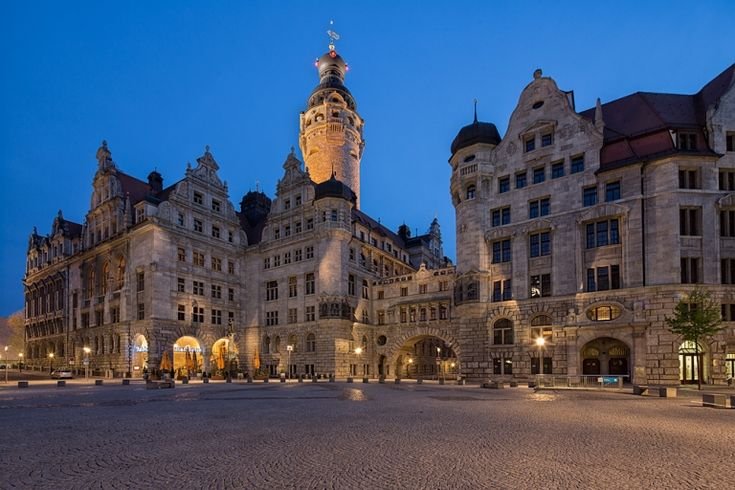
Fifth is Leipzig in Germany. Leipzig is not Berlin. Berlin is loud and big. Leipzig is younger, cheaper, more creative. It was the city of Bach and Beethoven, and in 2027 there will be a Beethoven festival in May and a big Bachfest in June. The whole city will be full of music.
But it is also full of old factories that are now art galleries, and old railway stations that are now shopping centres. The train station there, Leipzig Hauptbahnhof, is huge, three hundred metres long, like a palace. You can get there from Berlin in one and a half hours.
Leipzig is what Berlin used to be ten years ago, before it got too expensive. Young artists, musicians and students all moved to Leipzig because rent was cheap and there were huge empty buildings. Old cotton factories are now art galleries. They call one of them Spinnerei, and you can walk there and see 100 artists working.
In 2027, Leipzig will be full of music. In May there is a festival for Beethoven, who lived there. In June there is Bachfest. Bach worked in Leipzig for 27 years, and his church is still there, Thomas Church. You can sit where people sat 300 years ago and listen to the same music.
The train station is worth seeing alone. It is from 1915 and it is one of the biggest train stations in the world. Inside it has two floors of shops, but outside it looks like a palace.
And the best part is, from Leipzig you can take a bike and in 20 minutes you are at a lake where you can swim. Around Leipzig there are many lakes that used to be coal mines. They filled them with water.
Also Read: How China Is Learning To Grow Old With Technology
6. Tricity, Poland
The last one is Tricity in Poland. This one surprised me the most. Tricity is not one city but three: Gdansk, Sopot and Gdynia. They sit together on the Baltic Sea.
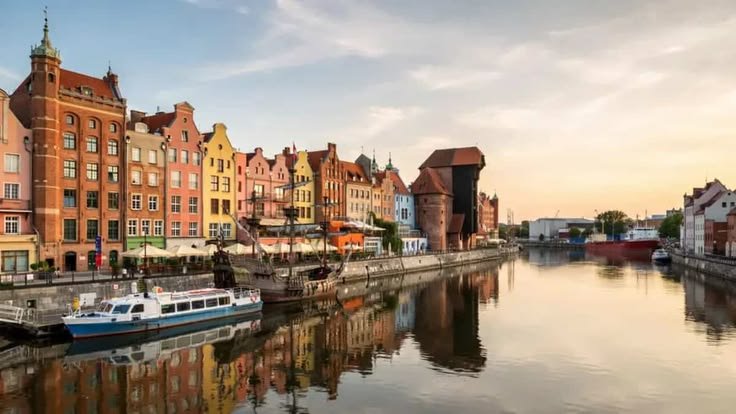
Gdansk is old, full of history, old port buildings, Second World War history. Sopot is a seaside resort, with a long wooden pier, like from an old movie. Gdynia is modern, with a beach and ships.
In 2027 Gdynia will host the World Sailing Championships, so there will be white sails everywhere. And Gdansk will have its big summer fair, St Dominic’s Fair, with food, music and concerts on the street. National Geographic said, “Come for the revitalised waterfronts and bold Baltic flavours.”
Tricity is three cities that grew into each other. They are like three brothers with different characters. Gdansk is the old, serious brother. It has a thousand years of history. It was one of the richest ports in Europe.
The old town was destroyed in the war and they rebuilt it brick by brick. You can walk on Long Market Street and see colourful houses that look like Amsterdam. Gdansk is also where World War II started, and where Solidarity started in the shipyard. So history is everywhere.
Sopot is the fun, middle brother. It is a resort. It has the longest wooden pier in Europe, 515 metres. You walk to the end and you are in the middle of the Baltic Sea. There is a famous hotel called Grand Hotel where famous people stayed 100 years ago. And a funny house called Crooked House that looks like it is melting. In summer, everyone sits on the beach, even though the water is cold.
Final Thoughts
Six places. None of them is the obvious place. That is why I like this list. Europe is not just Paris and Venice. It is also a fjord where you hear nothing, a dark forest in Scotland, a green bay in Spain, a thousand year old party in France, a music city in Germany, and three small cities on the cold Baltic Sea that are learning to be beautiful again.
If you have to pick one for 2027, pick the quiet one. The world is getting too loud anyway.