Islamabad (GNP): Pakistan is moving forward with a new National Occupational Safety and Health (OSH) Policy, bringing together federal and provincial authorities, employers, and workers to build stronger prevention systems and promote safe working conditions across the country’s varied economic sectors.
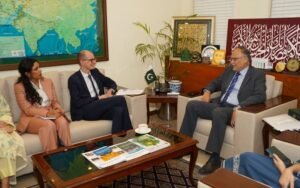
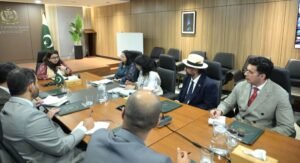
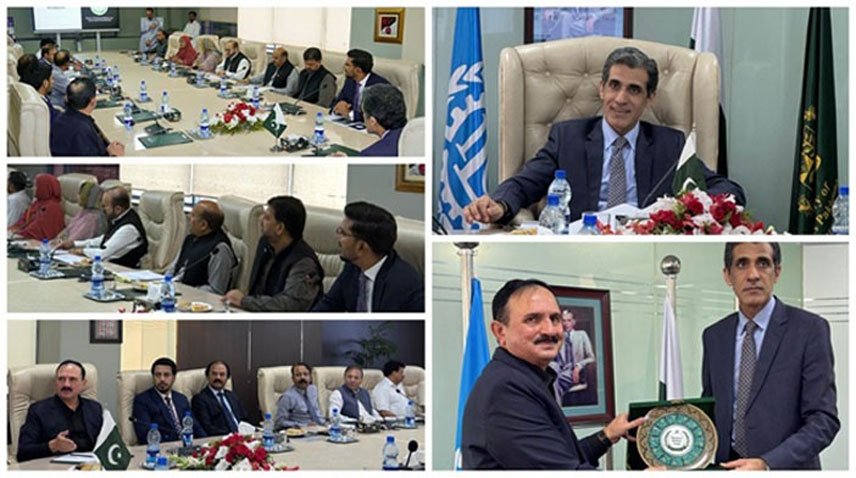
Organized by the Ministry of Overseas Pakistanis and Human Resource Development (MOPHRD) with technical assistance from the International Labour Organization (ILO), a National Stakeholders’ Consultation held in Islamabad examined the initial draft of the policy and its proposed rollout plan.
The consultation brings together government representatives, employers, and workers, along with input from occupational health and social protection bodies, industry leaders, OSH specialists, academics, and other relevant parties. The draft policy aims to extend protections across both formal and informal sectors of employment, taking into account the distinct needs of women, younger and older workers, people with disabilities, migrant workers, home-based and domestic workers, agricultural laborers, and gig-economy platform workers.
Geir T. Tonstol, ILO Country Director for Pakistan, noted that the policy is being developed from the ground up, starting with evidence-gathering, moving through provincial consultations, and incorporating input from both employers and workers. He said the goal is not merely to produce another policy paper, but to create a practical framework that Pakistani institutions and workplaces can actually put into action.
This effort comes amid growing global recognition of occupational safety and health. In 2022, the International Labour Conference declared a safe and healthy working environment a fundamental workplace right. ILO Conventions No. 155 and No. 187 establish the core international standards for national OSH policy, prevention strategies, institutional frameworks, and ongoing improvement.
For Pakistan, this policy also addresses the evolving nature of work today. Conventional workplace risks are increasingly compounded by extreme heat, climate change, chemical and biological exposure, technological shifts, psychosocial stress, and emerging employment models. As a result, the draft policy adopts a proactive, future-oriented approach while working to extend coverage to workers who are typically difficult to reach through standard OSH mechanisms.
Federal Secretary Nadeem Aslam Chaudhry of the Ministry of Overseas Pakistanis and HRD stated that Pakistan’s economic advancement must be matched by protections for the workforce driving that progress. He added that a robust national OSH framework can foster safer workplaces, more productive businesses, and support Pakistan’s goal of becoming a responsible, competitive player in the global economy.
The policy also seeks to build coherence across Pakistan’s decentralized labour governance system. While provinces will continue to handle implementation and enforcement within their own jurisdictions, national-level coordination can help align shared priorities, facilitate knowledge-sharing, standardize data, and support engagement with international labour standards.
Social dialogue plays a central role in this effort, with the Employers’ Federation of Pakistan (EFP) and the Pakistan United Workers Federation (PUWF) participating alongside government representatives at both federal and provincial levels — ensuring the policy reflects both institutional priorities and the on-the-ground realities faced by businesses and workers alike.
Strengthening occupational safety also aligns with Pakistan’s wider goals around decent work and sustainable development. The consultation represents another milestone in Pakistan’s ongoing engagement with the ILO’s core OSH conventions, aiming to reinforce the country’s legal, institutional, and policy environment and lay groundwork for eventual alignment with — and potential ratification of — Conventions 155 and 187, in line with national priorities and constitutional structures.
Discussions at the consultation centered on three key areas: governance and social dialogue, OSH data systems and reporting, and prevention and workplace safety management, with the resulting recommendations set to inform further development of the policy and its implementation strategy.
Also read: Women’s Empowerment Key to National Progress, Gilani
Participants concluded the consultation with a shared commitment to advancing occupational safety and health for all workers and to advocating for ratification of the ILO’s OSH conventions.

Sohail Majeed is a Special Correspondent at The Diplomatic Insight. He has twelve plus years of experience in journalism & reporting. He covers International Affairs, Diplomacy, UN, Sports, Climate Change, Economy, Technology, and Health.