Rubina Afzal, Social Worker
Peace is often spoken of as if it simply means the absence of war. But true peace is much more than that. It means being able to live with dignity, security, freedom, and justice. It means creating a world where differences are addressed through dialogue and understanding rather than violence and force.
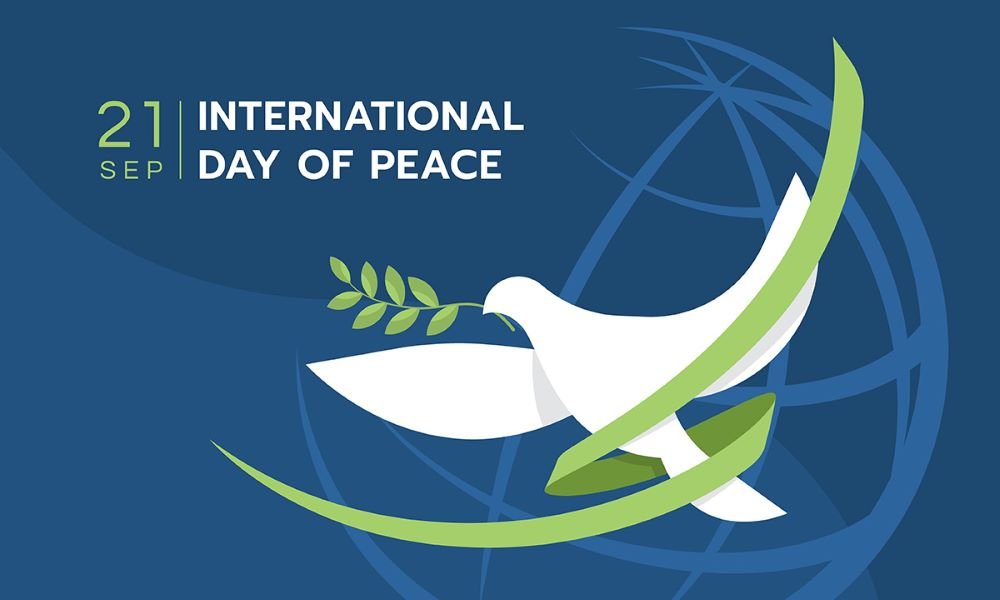
The International Day of Peace gives us an opportunity to reflect on how far the world still has to go. Across different regions, people continue to live through armed conflicts, terrorism, political tensions, and humanitarian crises. Behind every conflict are human beings, families losing their homes, children growing up with fear, women carrying unimaginable burdens, and ordinary people paying the price for decisions they did not make.
The destruction caused by war can not be measured only in numbers. A home can be rebuilt, but the loss of a loved one can not be undone. An economy may recover, but the trauma carried by a generation can remain for years. This is why the international community must look beyond temporary ceasefires and address the deeper causes that allow conflicts to continue.
Pakistan knows the cost of instability all too well. For years, terrorism and extremism have taken precious lives and affected our economy, communities, and everyday sense of security. Yet the people of Pakistan have repeatedly expressed their desire for peace, stability, and mutual respect in the region.
That desire must be strengthened through dialogue, diplomacy, people-to-people connections, and greater regional cooperation.
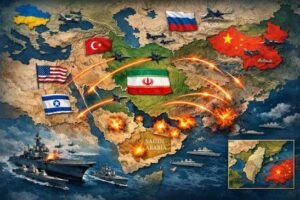
South Asia and the Middle East continue to face serious tensions, reminding us that conflict in one part of the world rarely remains confined to that region. The use of force can deepen divisions and make peaceful solutions harder to achieve. Sustainable peace requires patience, diplomacy, respect for international law, and the willingness to listen, even when differences are profound.
At the same time, peace can not be left entirely to governments and international institutions. It begins much closer to home.
It begins with how we speak to one another. It begins when we teach our children that disagreement does not have to become hatred. It begins when schools encourage dialogue and tolerance, when young people are given opportunities to contribute positively to society, and when social media is used to connect people rather than spread hostility.
On this International Day of Peace, perhaps the question we should ask ourselves is simple: What kind of world are we leaving behind for the next generation?
We can choose dialogue over confrontation, understanding over hatred, justice over revenge, and humanity over division.
The future of our world will not be made safer by weapons alone. It will be shaped by the choices we make, the conversations we have, and the values we pass on.
The voice of peace may sometimes sound quiet in a world filled with anger and conflict. But sometimes, the quietest voice carries the message we need to hear the most.