Brazil (GNP): HIV advocates in Brazil say the recent collapse in donor funding for global HIV programmes, following the dissolution of USAID, came as no surprise to them, arguing that other countries should have moved sooner toward the kind of independence Brazil’s health system has long maintained.
Speaking at a session during the Aids 2026 conference in Rio de Janeiro, Gestos political liaison coordinator Juliana Cesar said what may look like a sudden rupture to others had in fact been visible to Brazilian advocates for years.
Brazil’s HIV prevention and treatment programmes operate entirely within its Unified Health System, without reliance on foreign assistance, a structure that has allowed the country to reach milestones such as eliminating mother-to-child HIV transmission in 2025.
That independence has its limits, however, since pharmaceutical negotiations still restrict Brazil’s access to the newest prevention and treatment options, and cuts to US National Institutes of Health funding threaten to slow HIV-related research within the country as well.
Cesar traced Brazil’s position back to its 1988 constitution, which enshrined healthcare as a right and prompted civil society groups to push for HIV programmes to be built into the national health budget, a commitment she said requires ongoing advocacy to keep funded.
Gestos has pushed other countries to adopt measures similar to Brazil’s former Financial Transaction Tax, which drew revenue from every transaction to help fund public health, though Cesar acknowledged the tax was abolished in 2007 amid a political shift to the right and was flawed in design, since it applied the same rate regardless of income.
Even so, she has continued to advocate for similar tools elsewhere, arguing they give governments greater financial independence from shifting foreign policy and more control over shaping HIV programmes around their own populations’ needs.
Cesar said she began anticipating steep cuts to foreign aid more than a decade ago, having tracked UN funding negotiations since the 2000s and watched the conditions attached to that aid grow steadily narrower, particularly after 2012, when restrictions increasingly excluded the sexual and reproductive health services and LGBTQ+ communities that are central to effective HIV prevention.
Harm Reduction International policy analyst Ailish Brennan added that foreign aid arrangements often require recipient countries to purchase HIV medications directly from donor nations such as the United States, describing the practice as a way of returning aid money to the donor country’s own economy.
She said building domestic production of HIV medications could form part of a broader push toward what she called health sovereignty, giving countries genuine ownership over their own health systems. Brennan also pointed to redirecting aid earmarked for narcotics control as another way countries could protect HIV programmes,
citing a Harm Reduction International report showing that close to a billion dollars in foreign aid, including USAID funds, went toward drug-related policing and criminalisation between 2012 and 2021, even though incarceration tends to raise HIV risk by concentrating high-risk groups, including people who inject drugs, while limiting their access to care. That same funding, she said, could instead have paid for hundreds of thousands of sterile syringes and other preventive measures.
Brennan and Anton Basenko, executive director of the International Network of People Who Use Drugs, said HIV prevention funding has long depended on the dedication of frontline workers, and that failing to properly compensate them risks burnout over time. Basenko said many organisations are now surviving largely on the unpaid labour and goodwill of staff and volunteers, cautioning that such resilience should not be confused with long-term sustainability.
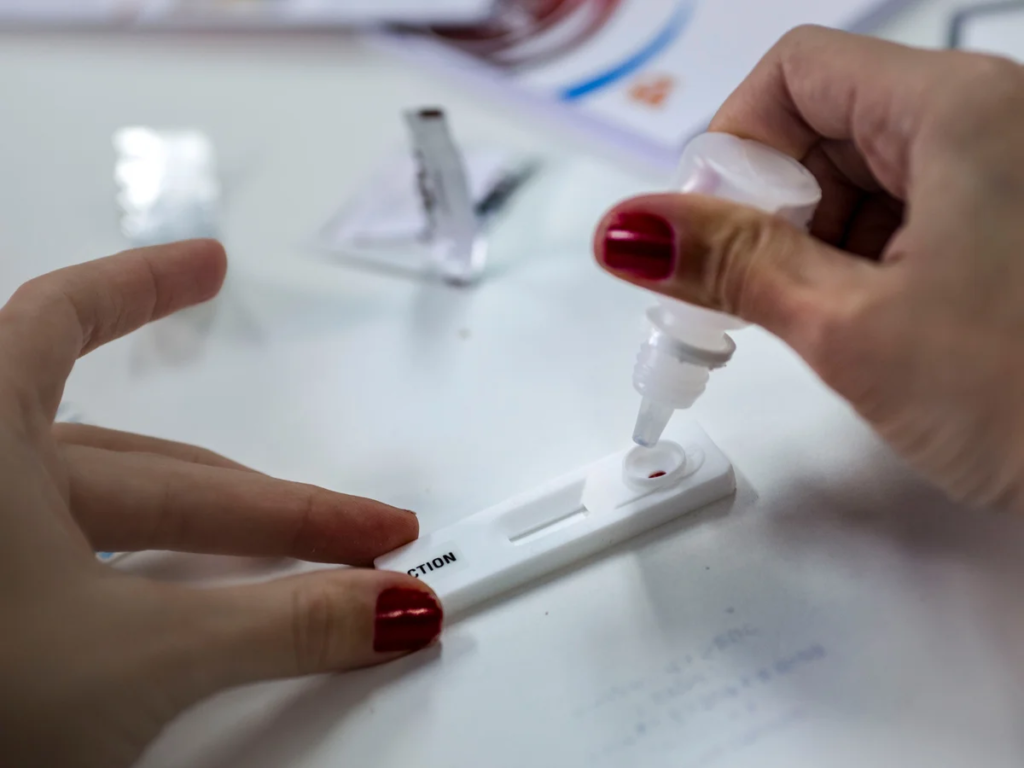
The funding gap has emerged just as new prevention technology appeared poised to significantly cut new HIV infections worldwide. A year earlier, the World Health Organization had recommended that governments prioritise expanding access to lenacapavir, an injectable form of PrEP requiring only two doses a year, a treatment that is up to 99 percent effective against sexually transmitted HIV when other forms of PrEP are taken consistently.
The WHO noted at the time that access to the drug remained limited outside clinical trials but said scaling it up could prove transformative for populations facing major barriers to existing prevention options, particularly people affected by poverty, stigma or distance from healthcare services who struggle to maintain a daily pill or bimonthly injection schedule. Modelling by the WHO and the United Nations estimated that wide availability of lenacapavir could prevent 41 percent of new HIV infections in South Africa, Zimbabwe and western Kenya.
That recommendation came just as the Trump administration was dismantling USAID, which according to a study in the Lancet Global Health had supplied 73 percent of donor-funded resources for HIV prevention worldwide. By July 2026, multiple reports pointed to a sharp global decline in HIV prevention investment.
Also Read: UNICEF and WHO Urge Stronger Breastfeeding Support Worldwide
International Aids Society president Beatriz Grinsztejn, also an infectious disease physician and researcher at Fiocruz in Rio de Janeiro, said at a conference press briefing that major advances in prevention were now colliding with funding cuts that were undermining the delivery of new prevention technologies and reducing the number of people able to remain engaged in care and prevention services.
Brennan said the cuts have fallen especially hard on peer outreach workers, who play a critical role in building trust with people who use drugs and connecting them to services, a population already at heightened HIV risk when clean syringes are unavailable.
A report from the International Network of People Who Use Drugs found that outreach services were among the first cut when organisations lost funding. Brennan said many harm reduction and HIV prevention groups worldwide have been forced to close locations, including mobile outreach sites, eroding the trust that at-risk clients had placed in them.