Netanyahu’s political fortunes take an expected dark turn as Israel’s elections remain deadlocked.
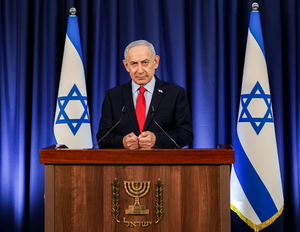
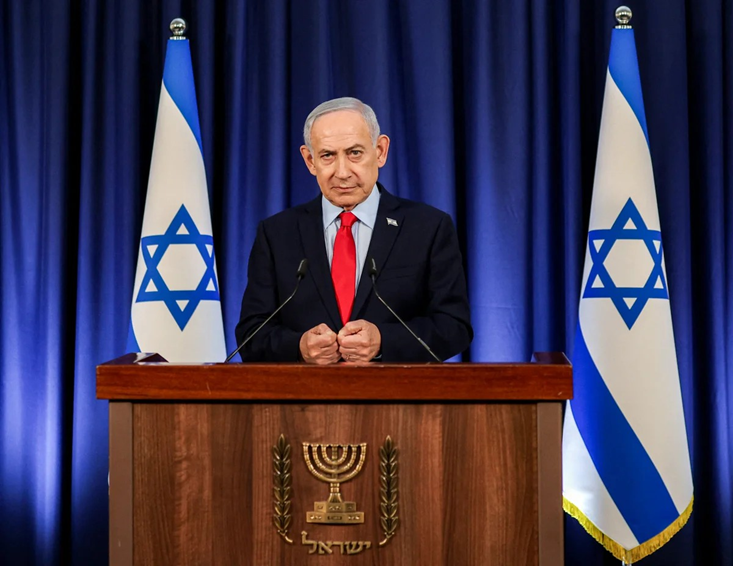
Israel’s Prime Minister Benjamin Netanyahu is in a complicated political situation after the results of exit polls which showed no clear majority succession from two main political representatives on October 27, 2026. The elections after the 7th October, 2023 Hamas attack and further Israel – Palestinian crisis has changed the course of Israel’s elections, voters, security agenda, foreign and national policies.
The right-wing party leader, Netanyahu has been making efforts to stay in power post domestic political and social crisis that have been prolonged due to regional turmoil.
But initial results exposed, neither his supporting bloc nor the main opposition has won a majority in Israel’s 120-seat Knesset. The main political challenge is not only to succeed with votes, but to form a legitimate government.
Electoral Competition and Voting Figures
The Times of Israel’s final poll, on October 23, showed two main Jewish-led blocs, both with 51 seats, neither of which held a majority. Likud was expected to win 21 seats while Yashar, run by Gadi Eisenkot, was likely to win by 23.
The exit poll results after Tuesday’s voting then led to a standstill, while the final official poll results were yet to be published. The numbers do not mirror the actual vote counts, Israel’s electoral system is proportional, which means that the percentage of voters who support a party decide how many seats the party will win, and the government that will form relies on negotiations between parties. The majority seat count or biggest party does not automatically lead to formation of government of that party.
Netanyahu’s Challenges and Opponents
The main challenger to Netanyahu is former military chief Gadi Eisenkot, whose Yashar party has become an opposing side. Other opposition leaders include former Prime Minister Naftali Bennett, Avigdor Lieberman and Yair Golan. Their economic and security policies do not align, but siding with Netanyahu’s current tenure has secured them a wider place in the general election.
Also Read: Trump’s Iran Dilemma: Nuclear Deal or Military Action?
Netanyahu’s administration has been popular mainly due to his intense national security stance, relations with President Donald Trump and his statements regarding Iran.
Critics however, questioned the government’s retort to the October 7 attacks, the consequences of it to the state and the nature of Israel’s national policies. The competition revolves around security, political accountability and the country’s future regional strategy.
Netanyahu’s Political Future
The majority not being held by one party suggests that there are several possibilities. Netanyahu may try to form a new government of right-wing and religious groups, and Eisenkot and other opposition officials could turn to groups with mutual agenda for Netanyahu’s government.
Is Netanyahu’s Political Future at Stake?
Netanyahu possibly could give his opponents a chance to form an alternative government in case he fails to secure a majority. If both camps fail, then they can be focused on further rounds of negotiations or another election. Netanyahu’s government can continue to serve as caretaker, until a permanent legitimate government comes to be.
The election has conducted a new era of uncertainty in Israeli politics, and Netanyahu’s fate will be determined by the final count of seats, how coalitions actually unfold, and if the other parties agree to cooperate.