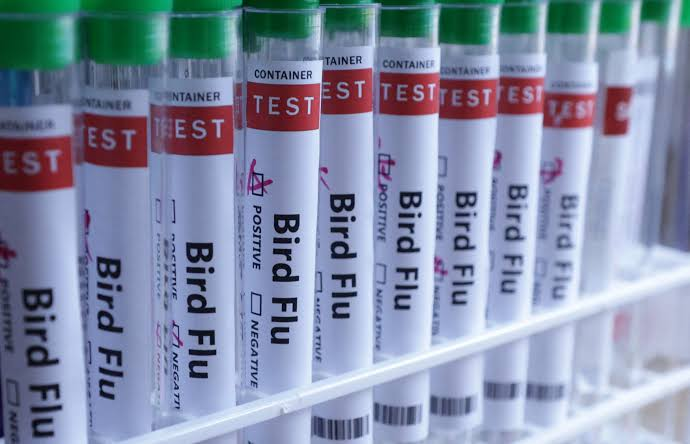
Australia (GNP): Australia will begin rolling out bird flu vaccines in the coming days and weeks, with native species and birds held in captivity first in line for protection against the disease. The government confirmed on Tuesday that it has secured AU$2 million worth of vaccinations for the H5N1 strain, amounting to roughly 1,500 vials, with individual states and territories set to manage the distribution.
The rollout follows Australia’s first confirmed case of the highly contagious strain in June, a milestone that made it the last continent to report the disease. More than 230 cases have since been confirmed nationwide. Last week marked the country’s first mass mortality event linked to bird flu, with around 50 greater crested terns killed on an island off the coast of South Australia.
Agriculture Minister Julie Collins said that while the outbreak itself could not be stopped as it continues to worsen, the vaccination programme would focus on “priority species” identified as most vulnerable to the virus. She said the risk to humans remains low and that there is currently no evidence the disease has affected the poultry or agriculture sectors.
Collins said that although little can be done to halt the spread of the virus among wild bird populations across the country, targeted action remains possible to protect the species most at risk. She said the first vaccines are expected to roll out within coming days and weeks, guided by an agreed national approach to targeted vaccination of priority native bird species. She added that Australians should expect to see further spread of the virus, including larger numbers of dead birds and additional mass mortality events across the country.
Also Read: Colombia Earthquake Leaves Widespread Destruction Across Western Region
Environment Minister Murray Watt said each vaccinated bird would require two doses and described the outbreak as a “serious event.”
Earlier this month, the government released a risk assessment covering more than 2,000 of the country’s native birds and mammals, evaluating each species based on its vulnerability and susceptibility to the virus. The assessment identified a small number of species facing possible extinction, while hundreds of others were flagged as being at risk of a severe reduction in population.