Public Diplomacy plays a significant role in shaping a state’s soft image to the world. When discussing diplomacy, the first image that comes to mind is traditional, closed-door diplomacy: state delegations, roundtable conferences, treaties, and agreements.
But these are the traditional concepts that countries used to strengthen relations with other states. Now, state diplomacy is based on different concepts, such as soft power diplomacy, which we saw in cultural shows, concerts, educational institutes, on flights, and in award ceremonies.
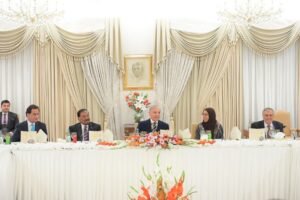
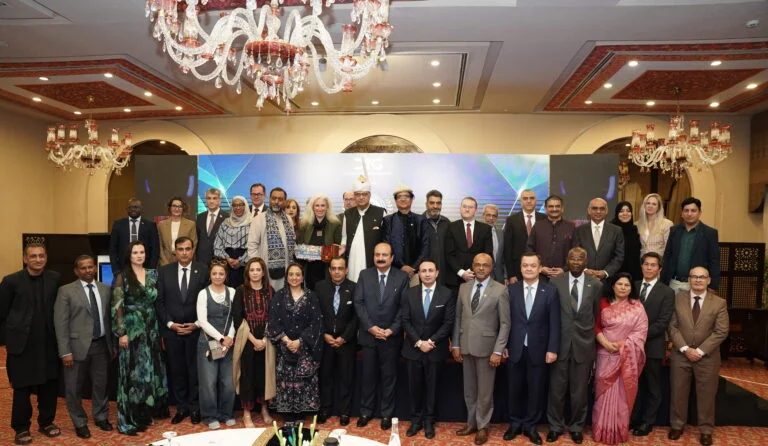
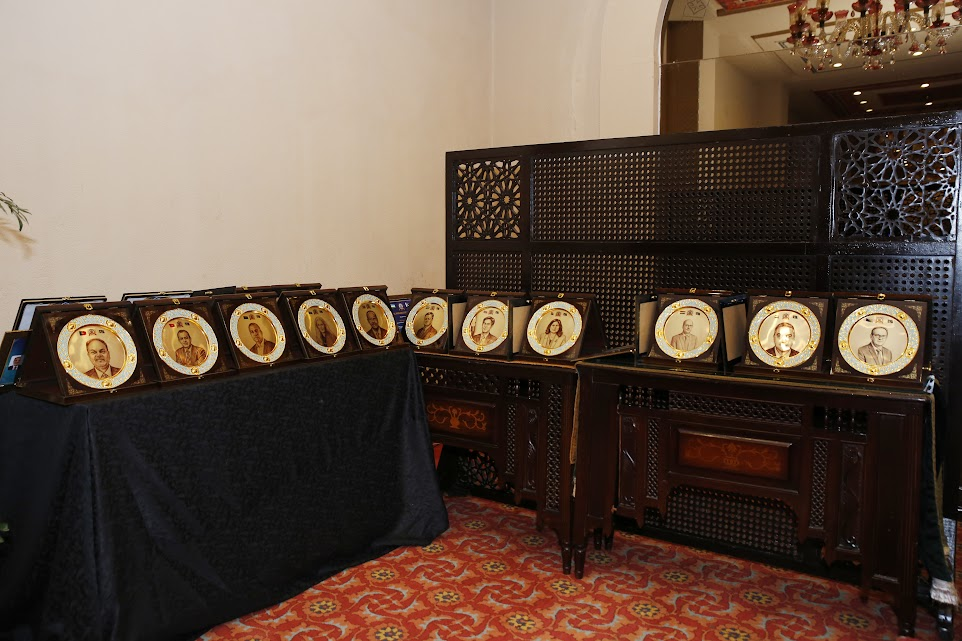
Last week, on 18 November 2026, in Islamabad, ambassadors, UN Representatives, businessmen, artists, and political leaders gathered at the 8th Global Ambassador Award. The evening featured awards and certificates, as global leaders, academicians, the business community, and envoys interacted. Each honoree spoke about their missions and the work they did for Pakistan, from scholarship opportunities for Pakistani students to $2.2 billion in trade with Thailand and the six weekly flights from Islamabad to Tashkent.
These are the events that shape Pakistan’s cultural image and soft power on the global stage, and how ordinary people contribute to the relationship between the two countries.
“Public Diplomacy is an international actor’s attempt to manage the international environment through engagement with a foreign public, Nicholas J. Cull.”
8th Global Ambassador Award is hosted by the Diplomatic Insight Group, where Rana Mashhood Ahmad Khan, Chairman of the Prime Minister Youth Program, and Sardar Yasir Ilyas Khan, Advisor to the Prime Minister on Tourism, attended as chief guests. Ambassadors, international dignitaries, business leaders, and members of civil society gathered for the ceremony to recognize foreign relations and public and private sectors for their work to strengthen their relationship with Pakistan.
The award recipients were ambassadors, including Emin Cohodarevic, Dr. Ihab Mohamed Abdelhamid Hassan, Zoltan Varga, Rita Dhital, Rongvudhi Virabutr, Alisher Tukhataev, and Titus Mehliswa Johnathan Abu Basutu. Other global leaders include Pernille Ironside, Ishara Nanayakkara, Ammad Rasheed, Dr. M. Khalid Ejaz, Ali Hamdani, and Soprano Geotgiana Costea-Gluga, who received the Ambassador Awards.
Also Read: 8th Global Ambassador Awards Honor Ambassadors and Global Leaders in Islamabad
Sardar Yasir Ilyas said in his remarks that tourism is a universally spoken language and a sector where the world can work proactively. He also said, “Let us create relationships that transcend borders.” Rana Mashood Khan said, “The youth of Pakistan is proving that the country is good in Artificial Intelligence and Information Technology.”
These honorees show four distinct ways of diplomacy, such as
- Economic Diplomacy: Ambassadors not focused on relations but on economic interests, such as the Ambassador of Thailand, focusing on trade between Bangkok and Islamabad with the target of doubling trade from $1.1 billion to $2.2 billion, and he also pushed for free trade agreements.
- Educational Diplomacy: This award shows Diplomacy is effective from the round table conferences to the classrooms, such as the Ambassador of Hungary focusingon the Hungaricum Scholarship Programme for Pakistani students and the Ambassador of Egypt aiming to create jobs for more than 1000 Pakistani Youth, and Annual Al-Azhar scholarships for Pakistani students are also set to rise from 30 to 50.
- Cultural Diplomacy: Culture reaches the people where politics cannot; for example, UN representatives initiated the 1st opera courses in Pakistan in collaboration with the Pakistan National Council of Arts. Diplo Store launch also shows how arts and artists promote culture to contribute to international relations and cross-border cooperation.
- Diplomacy beyond Governments: Non-state actors also contribute to countries’ GDP and promote a positive image to the world, which we saw in ambassador awards such as UNICEF’s representative work for strengthening relations, LOLC financial inclusions, Travel Mart initiatives, andAmmad Rasheed, Honorary Consul General of Tunisia in Peshawar, opening avenues for Pakistani businesses in African markets.
For a country often defined by outside headlines, the strongest image-builder may be what foreign partners choose to build here. At the 8th Ambassador Awards, we saw how Ambassadors and global leaders contribute to Pakistan, from trade to education and culture.
These award ceremonies play a significant role in promoting Pakistan’s public diplomacy because they focus on strengthening relations between the two countries, promoting culture, and recognizing leaders’ work for Pakistan. These types of events give people from diverse fields including Envoys, businesses, media, academicians, artists, and political leaders a reason to gather in one place and interact with people from different fields, from sharing ideas to making opportunities for the people of Pakistan and for cross-border cooperation.
This soft image is not built in one evening; it takes months and years of effort, commitment, trust between the two countries, and two organizations. This award ceremony is the best example that shows how commitment and trust recognize the work that has already been done and how years of effort focus on more developments in the coming years. In the end, this awards ceremony creates a great example that public diplomacy works not through one grand gesture but through steady, visible commitment, and the story told in Islamabad that evening suggests that commitment is growing.

Managing Editor at Global News Pakistan (GNP), with a Bachelor's degree in International Relations from Riphah International University, graduated with a Gold Medal. Reach out at sabahtareengnp@gmail.com