Geneva (GNP): The World Health Organization’s newly released World Health Statistics 2026 report has found that global progress in combating major infectious diseases, including HIV, tuberculosis, malaria and hepatitis, remains insufficient to meet international targets, with the situation further threatened by funding reductions expected to affect billions of people worldwide.
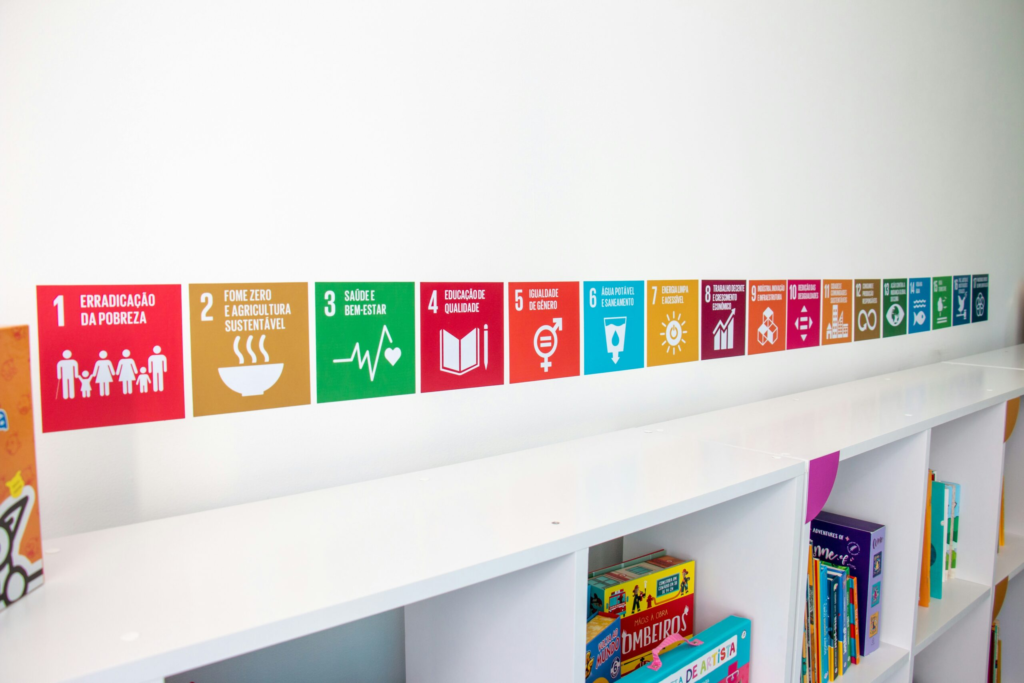
According to the report, global efforts against infectious diseases are tracked through the Sustainable Development Goals framework, which monitors case reduction across HIV, tuberculosis, malaria, hepatitis and neglected tropical diseases, alongside the level of antimicrobial resistance in bloodstream infections.
On HIV, the report found that an estimated 1.3 million people worldwide were newly infected in 2024, marking a 40 percent reduction from the 2010 baseline. However, this pace of decline falls short of the target of 370,000 or fewer new infections by 2025 and a 90 percent reduction by 2030. The African Region continues to carry the highest HIV burden globally, accounting for 65 percent of all people living with HIV worldwide, despite having cut its own incidence rate by 70 percent since 2010.
On tuberculosis, the report estimated that 10.7 million people developed the disease globally in 2024, with the incidence rate declining 12 percent since 2015. This falls well short of the WHO End TB Strategy’s target of an 80 percent reduction by 2030. Regional progress varied considerably: the European Region achieved a 39 percent reduction between 2015 and 2024, while the Region of the Americas saw a 13 percent increase in the same period. The African Region, despite still recording the highest incidence rate, achieved a 28 percent reduction, more than double the global average.
Malaria cases showed an even more concerning trend, with an estimated 282 million cases occurring globally in 2024, representing an 8.5 percent increase from the 2015 baseline. This runs counter to the Global Technical Strategy for Malaria’s target of a 90 percent reduction by 2030. The African Region remains the most affected, with an incidence rate nearly four times the global average. The report noted that no WHO region is currently on track to meet the 2030 malaria target, with the exception of the European Region, which has been malaria-free since 2015.
On viral hepatitis, the report estimated that 240 million people were living with hepatitis B and 47 million with hepatitis C globally in 2024. New hepatitis B infections declined from 1.3 million in 2015 to 0.9 million in 2024, while new hepatitis C infections fell more modestly from 1.0 million to 0.9 million over the same period. The African Region accounted for 68 percent of new hepatitis B infections globally in 2024 and remains the only region where childhood hepatitis B prevalence still exceeds 1 percent.
The report also found that 1.41 billion people required interventions against neglected tropical diseases in 2024, a 36 percent decrease from the 2010 baseline of 2.19 billion, marking notable progress toward the global target of a 90 percent reduction by 2030.
On antimicrobial resistance, 2023 estimates cited in the report showed that 45.1 percent of E. coli bloodstream infections globally were resistant to third-generation cephalosporins, while 35.1 percent of Staphylococcus aureus infections showed methicillin resistance, with wide variation across regions and greater impact in areas with limited diagnostic and surveillance capacity.
Also Read: WHO Leprosy Ambassador Strengthens Global Elimination Efforts Through Advocacy
The WHO’s findings paint a picture of uneven and, in several cases, stalled progress against infectious disease at a moment when funding for global health programs is under mounting pressure. While declines in HIV and neglected tropical disease burdens demonstrate that sustained investment can produce measurable results even amid population growth, the rising malaria incidence and the Americas’ reversal on tuberculosis point to gaps that funding cuts are likely to widen rather than close.
The persistent concentration of disease burden in the African Region, despite that region often posting the fastest rates of improvement, underscores how resource constraints continue to determine health outcomes more than epidemiological factors alone. With most SDG-linked targets for 2030 now unlikely to be met on current trajectories, the report’s data suggests that closing these gaps will depend less on new technical strategies than on reversing the funding trends currently working against them.

Managing Editor at Global News Pakistan (GNP), with a Bachelor's degree in International Relations from Riphah International University, graduated with a Gold Medal. Reach out at sabahtareengnp@gmail.com