Tehran (GNP): Iran is expected to receive its first shipment of Chinese-made shoulder-fired air-defence missile launchers within weeks, according to three sources familiar with the matter, as Tehran works to rebuild its air-defence capabilities following months of conflict with the United States and Israel.
The agreement covers between 300 and 400 man-portable air defence systems, known as MANPADS, including China’s QW-12 and FN-16 variants. The deal is valued at an estimated $60 to $70 million, making it one of the largest known efforts by Iran to strengthen its short-range air defences since the war exposed vulnerabilities in its ability to protect military and strategic sites.
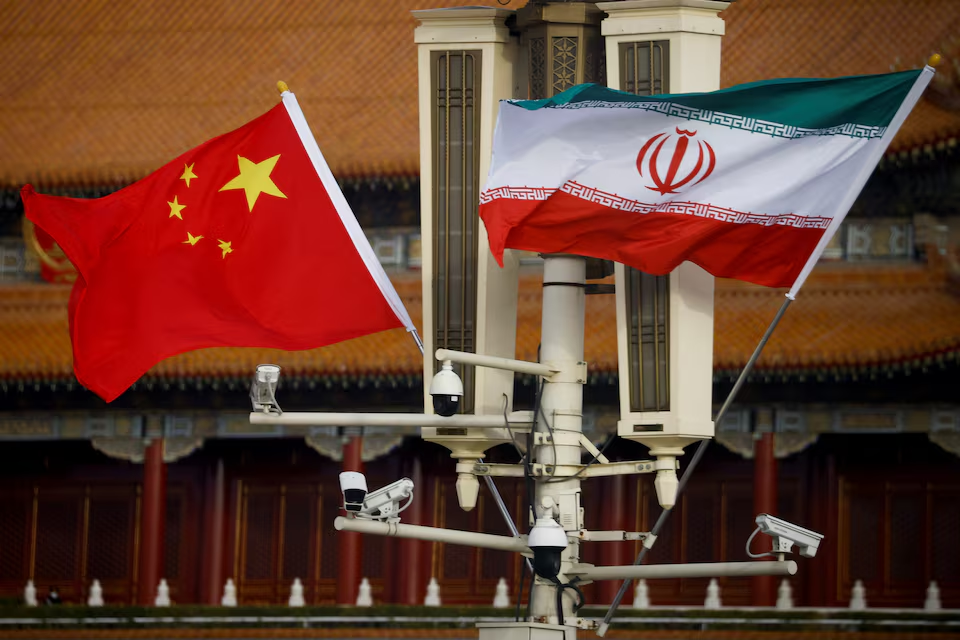
According to the sources, the contract was signed with Zhongqing Baoshang International Investment, a Hong Kong-based firm described as acting as an intermediary between the Iranian side and the Chinese supplier. China’s Foreign Ministry has rejected the reports, stating that the claims are completely without basis and reiterating that Beijing has consistently worked to promote peace and help end the conflict.
The push to rearm follows months of strikes by the United States and Israel on facilities linked to Iran’s missile, drone and air-defence programmes, with Tehran responding through repeated barrages of ballistic missiles and drones. Washington paused two weeks of bombardment on Saturday, though US President Donald Trump has said strikes could resume if negotiations fail to resolve the five-month conflict, which has technically remained under a ceasefire since April.
Military analysts note that portable air-defence systems like the QW-12 and FN-16 offer a distinct advantage over fixed installations, since they can be moved quickly, operated by small teams and redeployed around sensitive sites such as energy infrastructure and military installations. Analysts consider the QW-12 less advanced than newer variants like the QW-18 and QW-19, though still capable of providing meaningful short-range protection against drones and low-flying aircraft.
Also Read: Newly Appointed Commander of National Strategic Command Calls on CNS
Under the current transfer plan, the sources said deliveries would initially move by air from Urumqi in western China before transiting through Pakistan en route to Iran, though it remains unclear whether onward transfers would occur by air or overland. Pakistan’s military media wing, ISPR, firmly denied any involvement, describing speculation about Pakistani participation in the transfer of Chinese air-defence weapons to Iran as entirely fabricated and false. Pakistan’s Foreign Ministry did not respond to requests for comment.
Separate reporting indicates China and Iran have also been exploring overland routes for moving military supplies and dual-use components, according to two Western intelligence sources and an Iranian official, a shift believed to be aimed at reducing the risk of disruption to shipments. The broader effort reflects Iran’s continued reliance on a mix of domestic production and foreign suppliers to sustain its defence programmes despite years of sanctions restricting such imports.
Reuters has also previously reported that Iran was nearing a separate agreement with China to acquire anti-ship cruise missiles, though it could not confirm whether that deal was ultimately finalised.

Managing Editor at Global News Pakistan (GNP), with a Bachelor's degree in International Relations from Riphah International University, graduated with a Gold Medal. Reach out at sabahtareengnp@gmail.com