ISLAMABAD (GNP): A landmark international agreement to protect marine life in the world’s high seas has formally entered into force, closing nearly two decades of negotiation and giving the international community its first legally binding framework for waters that lie beyond any single nation’s control.
The Agreement under the United Nations Convention on the Law of the Sea on the Conservation and Sustainable Use of Marine Biological Diversity of Areas beyond National Jurisdiction, widely referred to as the BBNJ Agreement or the High Seas Treaty, took effect on 17 January 2026, one hundred and twenty days after the sixtieth country deposited its instrument of ratification. It is the third agreement adopted to implement the 1982 UN Convention on the Law of the Sea, following earlier instruments on fish stocks and seabed mining.
A Long Road To Adoption
The push for the treaty began with a General Assembly resolution in December 2017, which authorised an Intergovernmental Conference to draft a legally binding instrument covering marine biodiversity outside national waters. The Conference met in stages over the following years: an organisational meeting in April 2018, followed by three formal negotiating sessions between September 2018 and August 2019.
A fourth session, delayed by the COVID-19 pandemic, did not take place until March 2022, and a fifth session that August ended without agreement, forcing negotiators to suspend and resume talks in February and March 2023.
Consensus finally came on 19 June 2023, when delegates at UN Headquarters in New York adopted the text after a further resumed session. The treaty was then opened for signature that September, remaining available for two years until 20 September 2025, after which states could still join through accession.
It gathered 145 signatures during that period, and reached the sixty ratifications needed to trigger entry into force on 19 September 2025, with Morocco and Sierra Leone completing the threshold. By the time the treaty took legal effect in January, its membership had grown to roughly 83 parties.
Four Pillars Of The Agreement
The treaty is built around four substantive areas: the fair and equitable sharing of benefits from marine genetic resources collected in international waters; the creation of area-based management tools, including marine protected areas, in the high seas; a requirement for environmental impact assessments before activities that could harm ocean ecosystems; and commitments on capacity-building and the transfer of marine technology to developing states. Alongside these, the Agreement establishes a funding mechanism, a Conference of the Parties, a Clearing-House Mechanism for sharing information, and a permanent secretariat to oversee implementation.
Why this Treaty Matters
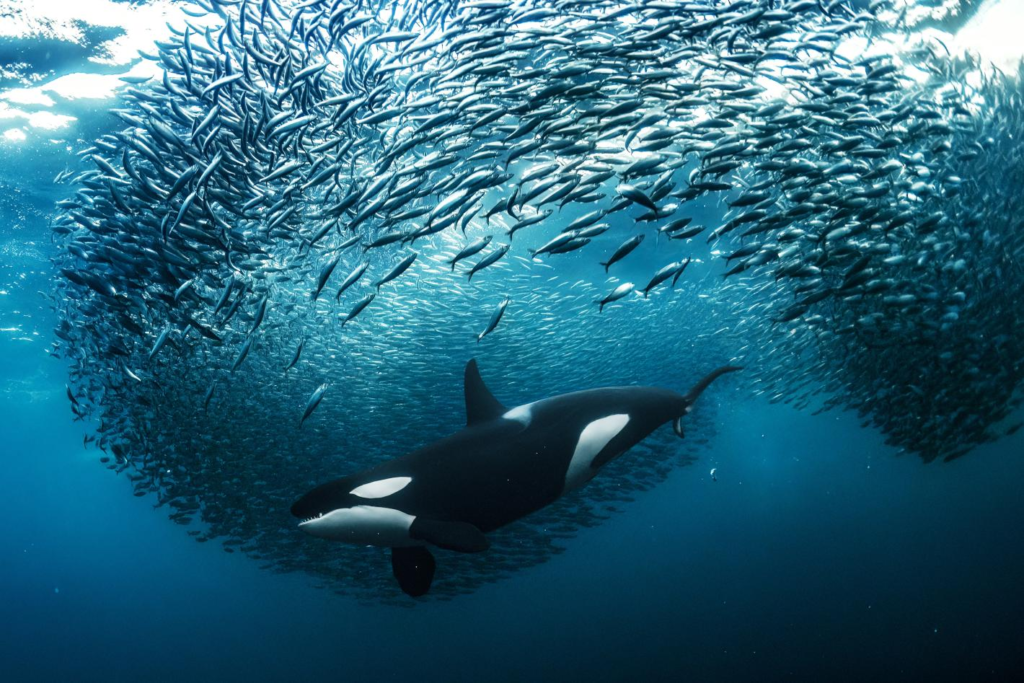
Until now, the high seas, the vast stretches of ocean lying beyond any country’s exclusive economic zone and covering nearly half the planet, have lacked a comprehensive legal framework for conserving biodiversity, even as they face mounting pressure from climate change, pollution and overfishing.
The treaty is widely regarded as the legal tool that will allow governments to designate large-scale marine protected areas on the high seas for the first time, a capability seen as essential to meeting the global target, set under the Kunming-Montreal Global Biodiversity Framework, of protecting 30 percent of the world’s oceans by 2030.
Also Read: UN Prison Standards Draw Fresh Attention Ahead Of Mandela Day
UN Secretary-General Antonio Guterres described the treaty’s entry into force as a milestone for multilateral cooperation on ocean governance.
With the treaty now in force, attention has shifted to implementation. A Preparatory Commission has already met twice, in April and August of 2025, with a third session scheduled for late March 2026 to work out the technical and institutional details needed before the treaty’s Conference of Parties can convene its first meeting.
Governments that have not yet joined the Agreement may still do so through accession, and the treaty’s supporters continue to press remaining states to ratify.

Managing Editor at Global News Pakistan (GNP), with a Bachelor's degree in International Relations from Riphah International University, graduated with a Gold Medal. Reach out at sabahtareengnp@gmail.com