ISLAMABAD (GNP): A new scientific analysis has found that the extreme heat and drought driving major wildfires across Spain and France this summer were made significantly more likely by the climate crisis, adding to a growing body of evidence linking Europe’s increasingly severe fire seasons to global heating.
Researchers from the World Weather Attribution (WWA) consortium calculated that global heating made the hot, dry and windy conditions behind the fires at least 20 times more likely in Spain and roughly twice as likely in France, findings that reinforce earlier WWA work tying the continent’s punishing summer directly to emissions from oil, gas and coal.
That earlier research found that a severe heatwave at the end of June, estimated to have killed 20,000 people, could not have occurred without the additional heat trapped by carbon pollution, while a separate WWA study concluded that climate-driven heat was drying out soils as drought spread across the region.
The new analysis relied on a measure known as the daily severity rating, which estimates how intense a wildfire is likely to become if ignited, and found that searing heat combined with parched land pushed this rating to very high levels, consistent with similar attribution work done on the 2025 wildfire season.
Researchers noted that this year’s fires have been intensified by a pattern sometimes described as climate whiplash, in which a wet winter and spring encouraged heavy vegetation growth that later dried out and became fuel once the summer heat set in, a pattern consistent with global heating making European winters wetter and summers hotter and drier.
Dr Clair Barnes, a research associate at Imperial College London who worked on the WWA study, said climate change has repeatedly been shown to increase the hot, dry and flammable conditions conducive to wildfires, and that the fact this year’s fires struck so early in the season, with another heatwave still looming, made the findings especially alarming as a signal of escalating warming impacts.
Julie Arrighi, director of programmes at the Red Cross Red Crescent Climate Centre, said the scale of what is unfolding in Spain and France goes well beyond what would be expected based on past events.
The wildfires have also produced significant public health consequences beyond the fire damage itself. Dr Augustin Colette of the French National Institute for Industrial Environment and Risks said smoke from the fires pushed particulate pollution to levels up to 20 times above what is considered fair air quality, with poor air quality detected as far as 400 kilometres from the fire zones, part of a broader toll from wildfire smoke that is estimated to shorten around 1.5 million lives globally each year.
Also Read: UNICEF and WHO Urge Stronger Breastfeeding Support Worldwide
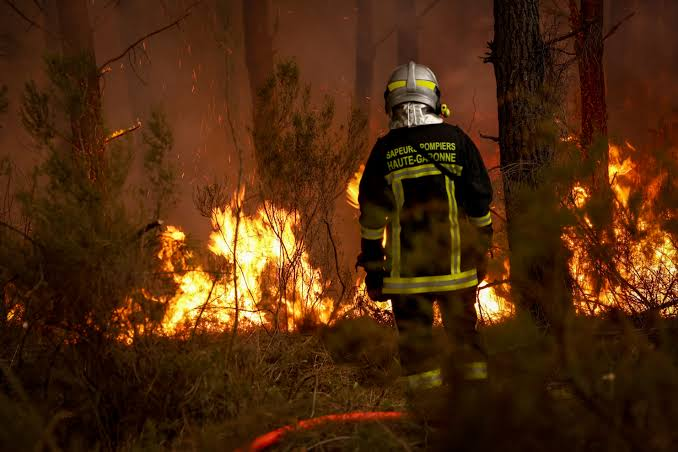
The fires themselves have burned across Spain and France since early July, killing people, destroying thousands of homes, and displacing more than 300,000 residents, while additional major wildfires have broken out in the UK and Greece, where three firefighters lost their lives.
The findings drew a pointed response from the United Nations’ climate chief, Simon Stiell, who said the megafires demonstrate how quickly climate-driven heat and dry landscapes can escalate into national disasters, and that continued large-scale burning of coal, oil and gas is making such conditions more dangerous and the resulting fires more deadly and destructive.
He said the response required is equally clear, calling for all countries to accelerate the shift from fossil fuels to renewable energy and to strengthen protections against worsening climate impacts, from wildfires to major storms, floods, and droughts affecting food production.