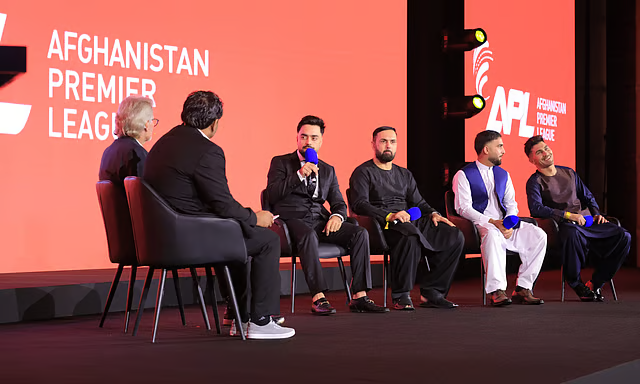
Kabul (GNP): The revival of the Afghanistan Premier League (APL) has triggered a fierce ethical debate in world cricket. Critics accuse overseas players and governing bodies of overlooking the Taliban’s restrictions on women and girls in pursuit of lucrative franchise contracts.
The row sharpened after three of the 14 English players who entered the APL draft withdrew following public backlash. Players are reportedly set to earn nearly £80,000, which has raised the question of whether money can justify joining a competition linked to a cricket board whose chairman is appointed by the Taliban authorities.
The England and Wales Cricket Board (ECB) has confirmed it will issue No Objection Certificates (NOCs) to eligible players who wish to take part. Critics see a double standard in that decision, because bilateral series against Afghanistan have been refused while players are allowed to join its franchise league.
The human rights record sits at the heart of the argument. Since returning to power in 2021, the Taliban have barred girls from secondary education and placed sweeping limits on women’s freedom, employment and public participation. Afghanistan’s women cricketers have also been forced into exile over fears for their safety, which leaves the men’s team with international opportunities that women are denied.
Opponents fear the league could hand the Taliban-controlled system a valuable public relations platform. This year’s tournament is planned for the United Arab Emirates, but organisers reportedly envisage staging it in Kabul in future. Critics say that would present Afghanistan as stable enough to host a commercial sporting event, and they warn that overseas stars could help draw commercial interest and revenue to a league run under authorities that deny women and girls equal access to cricket.
Also Read: Steve Smith Struck On Helmet During Durban Test Match
The financial argument has drawn scrutiny too. Some players, including Moeen Ali, already have wide experience of lucrative franchise leagues around the world. That has prompted questions over whether another contract is worth the reputational and ethical cost.
Attention has also turned to the International Cricket Council (ICC), which still allows Afghanistan’s men’s team to play internationally despite the exclusion of women from the sport. Critics say the ICC’s stated commitment to gender equality calls for greater consistency.
Supporters of continued engagement argue that boycotting the men’s team would do little to improve conditions for Afghan women. Critics of the APL draw a line between playing against a national side and joining a commercial league that could help legitimise those who govern the sport.
Former England captain Rob Key said on a podcast that players face a moral decision rather than a purely legal one, and that they must be ready to take the right ethical stance.