Moscow (GNP): Hollywood’s Oscars have dominated international cinema For decades, , but a new film award is creating a different kind of spotlight by celebrating national identities, cultural traditions and stories from around the world.
Russia’s Open Eurasian Film Award, known as the Diamond Butterfly, is gaining international recognition for its mission to bring together filmmakers from different countries and honour films that reflect their societies, histories and cultural values.
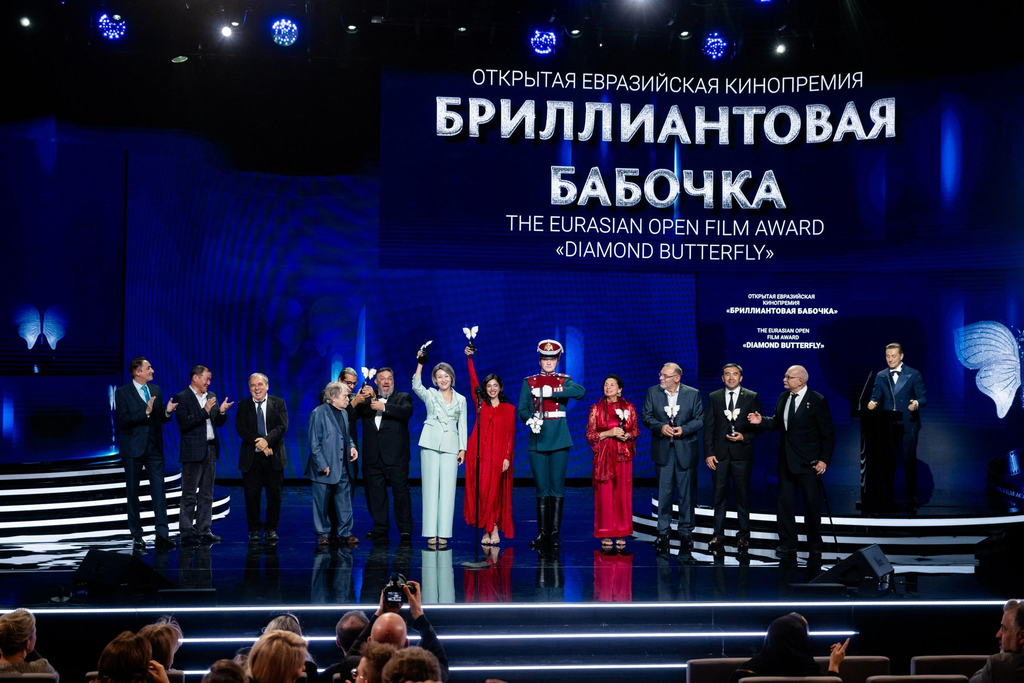
The second edition of the award ceremony took place in Moscow on November 12, 2026. This year’s event featured 41 films from 19 countries, including Pakistan, India, China, Iran, Türkiye and Russia.
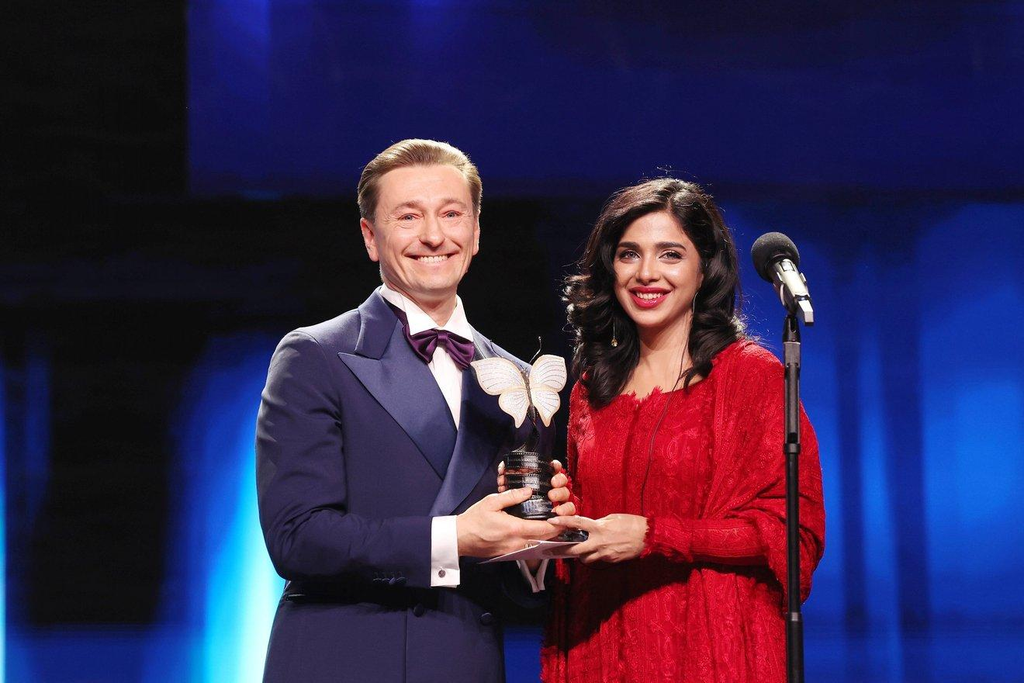
The ceremony also brought an important achievement for Pakistan as actress Dananeer Mobeen won the Best Actress award for her performance in the film Mera Lyari.
Unlike traditional entertainment awards that primarily focus on the commercial success of cinema, the Diamond Butterfly places particular emphasis on cultural identity and the values represented through filmmaking.
What is Russia’s Diamond Butterfly Award?
The Diamond Butterfly is an international film award established in 2025 on the initiative of renowned Russian filmmaker Nikita Mikhalkov.
It is organised through the Eurasian Academy of Cinematographic Arts, with the involvement of the Russian Culture Foundation and support from Russia’s Ministry of Culture.
The award was created to recognise films that communicate national and universal spiritual and moral values. Its central idea is to bring together different civilisations, histories, religions and cultures through cinema.
The organisers want to provide international recognition to filmmakers whose work represents the traditions and identities of their nations.
The award is often described as a Eurasian alternative to major Western film awards, including the Oscars. However, its main distinction is its cultural mission and its focus on international cinematic cooperation.
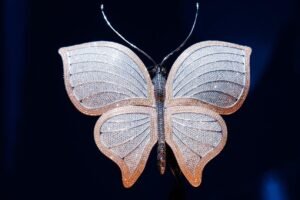
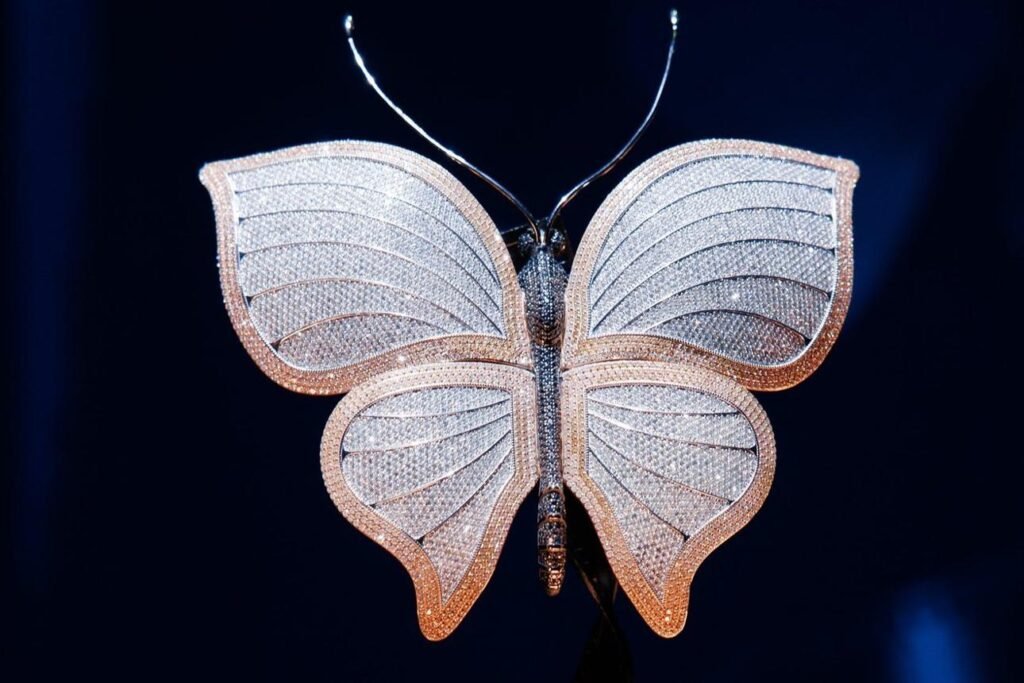
One of the most distinctive features of the award is its unusual trophy.
Designed by artist Yuri Kuper, the Diamond Butterfly statuette represents elegance, creativity and the idea of bringing different cultures together.
According to the official academy, each trophy contains approximately 5,000 lab-grown diamonds, with a total diamond weight of around 60 carats. The statuette is made using sterling silver and weighs approximately 820 grams.
The financial value of the prizes also attracts attention:
- Best Film: A 10-carat diamond valued at approximately $1 million.
- Other category winners: Five-carat diamonds valued at approximately $250,000 each.
- Trophy: A diamond-adorned butterfly statuette.
The organisers believe the trophy should represent something more meaningful than an ordinary award: recognition of artistic achievement and the cultural stories that filmmakers bring to the world.
2026 Ceremony Brings Together 19 Countries
The second Diamond Butterfly ceremony marked an expansion of the award’s international reach.
According to reports, 41 films representing 19 countries competed across 12 award categories. Participating nations included:
- Pakistan
- India
- China
- Russia
- Iran
- Türkiye
- Kazakhstan
- Uzbekistan
- Cuba
- Serbia
- Vietnam
- Egypt
- Belarus
- Venezuela
- Ethiopia
- Mongolia
- Kyrgyzstan
- Tajikistan
- Turkmenistan
The competition recognised filmmakers from different cinematic backgrounds, giving their stories an opportunity to reach audiences beyond their home countries.
Pakistan Makes its Mark at the Diamond Butterfly Awards
One of the notable highlights of this year’s ceremony was Pakistan’s achievement.
Pakistani actress Dananeer Mobeen received the Best Actress award for her performance in Mera Lyari, a film centred on the football culture and community of Karachi’s Lyari neighbourhood.
Her recognition placed Pakistani cinema among the international winners of the 2026 competition.
Two Pakistani films, Mera Lyari and Welcome to Punjab, participated in this year’s competition.
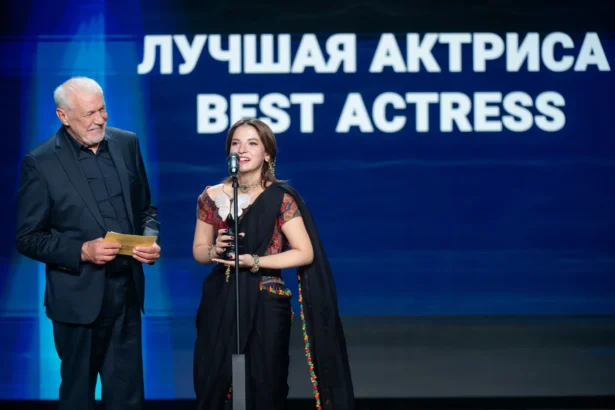
The award was presented to Dananeer by Russian actor Sergei Garmash. Her achievement also brought international attention to a Pakistani film rooted in a local community and its experiences.
This recognition demonstrates how stories from smaller communities can connect with international audiences when presented through cinema.
Who Won the Major Awards in 2026?
The second edition recognised filmmakers from several participating countries.
Some of the major winners included:
| Category | Winner | Country |
|---|---|---|
| Best Film | August | Russia |
| Best Director | Kanibek Kalmatov – Aitmatov | Kyrgyzstan |
| Best Actress | Dananeer Mobeen – Mera Lyari | Pakistan |
| Best Actor | Zhasulan Kopbergen – Restart | Kazakhstan |
| Best Screenplay | Alireza Motamedi | Iran |
| Best Film Outside Eurasia | Street 232 | Cuba |
| Best Cinematography | Alexander Plotnikov – Evacuation | Kazakhstan |
| Contribution to World Cinema | Alisa Freindlich | Russia |
The main Best Film award went to August, directed by Nikita Vysotsky and Ilya Lebedev. Its producers received the 10-carat diamond prize.
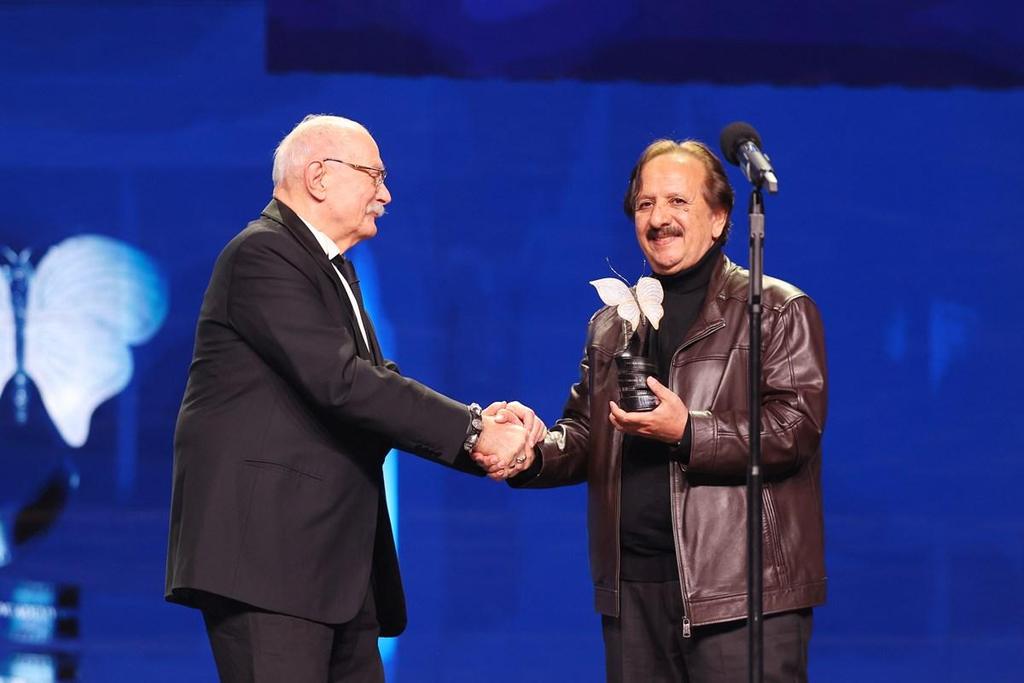
The range of winners reflects the award’s international character, with different countries receiving recognition for their contributions to filmmaking.
How is the Diamond Butterfly Different From the Oscars?
The Diamond Butterfly and the Academy Awards both recognise achievements in filmmaking, but their goals and international positions are different.
The Oscars are an established Hollywood-based film awards institution with worldwide recognition. The Diamond Butterfly is a relatively new international award that places particular emphasis on Eurasian cinema, national identities and cultural traditions.
Its organisers aim to create opportunities for films that may not receive the same attention through established Western entertainment platforms.
Rather than simply competing with Hollywood, the award promotes a different approach to international cinema: one in which local languages, historical experiences, cultural values and national storytelling remain important.
It is still too early to consider it an equal in global influence to the Oscars, but its growing participation and international recognition are helping it establish a distinct identity.
Also Read: US Rock Band Burn the Ballroom Wraps Pakistan Tour
Can the Diamond Butterfly Become a Global Film Tradition?
The growing participation of filmmakers from different regions suggests that the Diamond Butterfly could develop into an important international cultural event.
Its emphasis on national identity gives countries an opportunity to introduce their traditions, languages, historical experiences and social realities to audiences outside their borders.
For countries such as Pakistan, India, Iran and Kazakhstan, international platforms like this can help filmmakers gain recognition without depending entirely on Hollywood or Western entertainment industries.
The award also highlights an important role of cinema: films are not only a form of entertainment but also a way of preserving cultural heritage and sharing the experiences of different communities.
As the competition expands, its influence will depend on the quality of participating films, international credibility and its ability to maintain a genuinely diverse cinematic platform.
Russia’s Diamond Butterfly is introducing a distinctive approach to international film recognition by bringing cultural identity and national storytelling into the spotlight.
With its second ceremony featuring 41 films from 19 countries, the award has demonstrated growing international participation. Pakistan’s Dananeer Mobeen winning Best Actress has also made this year’s event particularly significant for Pakistani cinema.
Although the award is still young compared with the Oscars, its cultural mission and international ambitions make it an interesting development in the global entertainment industry.
Ultimately, the Diamond Butterfly represents an idea that deserves attention: every nation has stories worth telling, and cinema can help those stories travel across borders.

I am Areesha, a 3rd-year International Relations student with a strong academic focus on Foreign Policy, International Law, History of International Relations, Non-State Actors, and Diplomacy & Statecraft. With a diverse internship background including HESCO, ISPR, and a current Research and Media Newsletter internship focused on Climate and Economy, I bring a unique blend of analytical thinking, research skills, and media understanding. I am passionate about translating complex global affairs into engaging, reader-friendly, and SEO-optimized content. My academic training in IR has equipped me with excellent research, critical analysis, and structured writing skills, which I now aim to apply in the field of SEO writing and digital content creation. Seeking an opportunity as an SEO Writer Intern where I can contribute with well-researched, impactful, and search-optimized content.