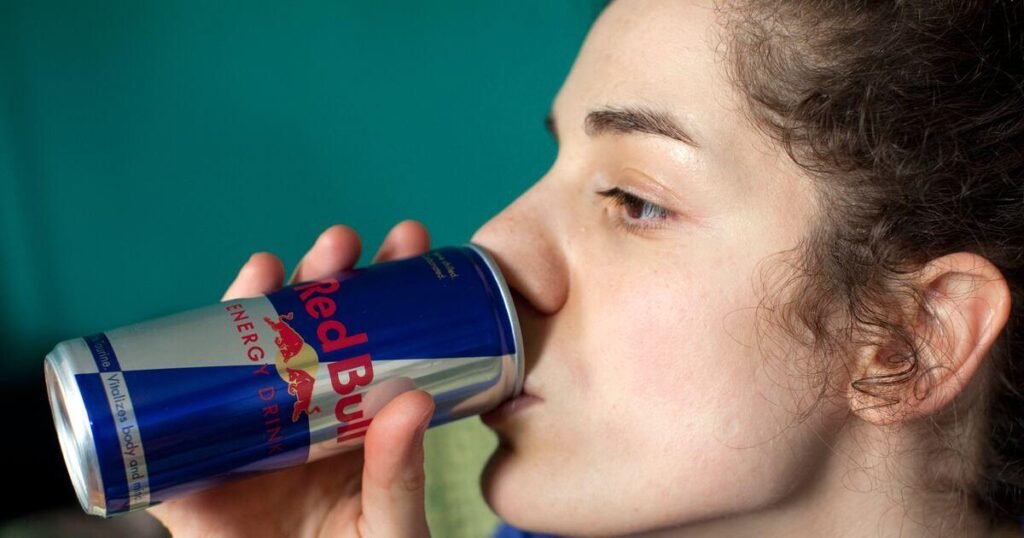
Islamabad (GNP): A new analysis has raised concerns about energy drinks and pre-workout supplements after researchers found significantly higher reports of serious cardiovascular problems, including cardiac arrest and heart attacks. Young adults accounted for a substantial share of the reported cases.
Energy drinks and stimulant-containing supplements are attracting renewed attention following new research linking their use to reports of serious cardiovascular problems. The findings suggest that products containing high amounts of caffeine and other stimulants appeared disproportionately often in reports of cardiac arrest, heart attacks and abnormal heart rhythms.
The research was highlighted in a health news roundup published on November 13, 2026, by Baptist Health. The original preliminary findings were presented at the American Heart Association’s Scientific Sessions 2026, held in Chicago from November 6 to 9.
Researchers examined thousands of safety reports submitted to the US Food and Drug Administration (FDA) between 2017 and 2025. Their analysis identified a concerning pattern involving energy drinks and stimulant-based dietary supplements, particularly among adults aged 18 to 34.
However, researchers emphasised that the findings show an association rather than proving that these products directly cause heart problems.
What Did the Researchers Discover?
The research team analysed 28,345 reports of possible adverse events involving FDA-regulated foods and dietary supplements. Of these, 854 reports involved products containing caffeine or other stimulants, while the remaining 27,491 involved products without these ingredients.
The comparison revealed several notable differences in reported cardiovascular events.
According to the findings:
- Cardiac arrest was reported approximately 11 times more often in connection with stimulant-containing products.
- Heart attacks appeared about 4.5 times more frequently in the reports.
- Ventricular arrhythmias and heart palpitations were reported approximately four times more often.
- Elevated heart rate appeared nearly three times more frequently.
- Chest pain was reported around 2.71 times more often.
These figures describe differences in safety-reporting patterns, not the actual probability of experiencing a heart emergency after consuming an energy drink.
The results nevertheless highlight the need for further investigation into the cardiovascular effects of heavily caffeinated products.
Young Adults Accounted for a Significant Share of Reports
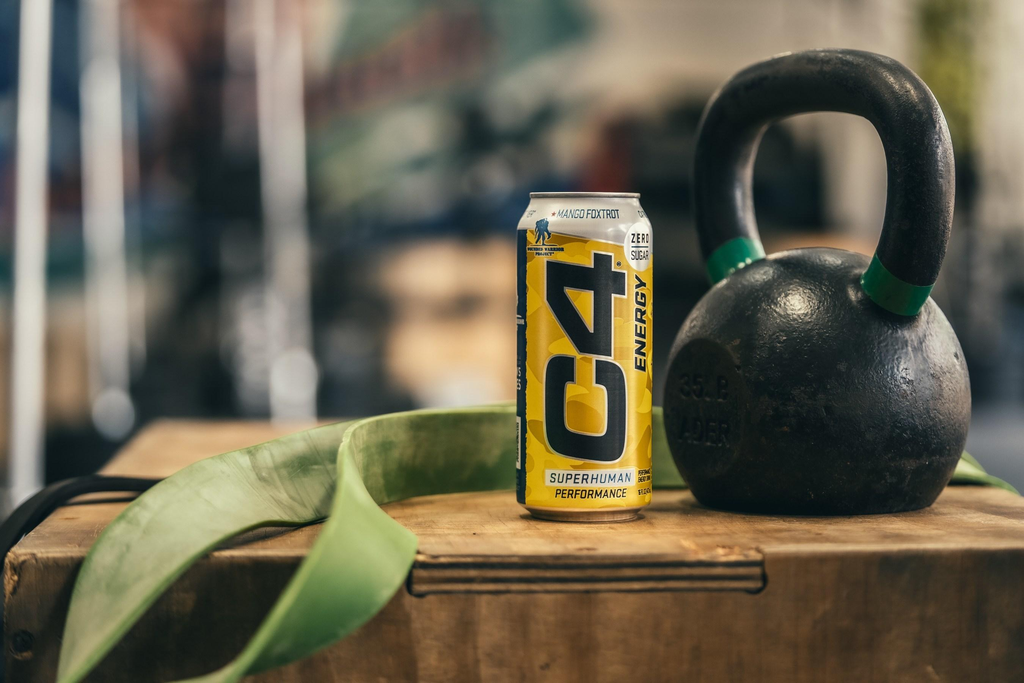
One of the most notable findings involved adults between the ages of 18 and 34. Researchers found that approximately 45% of cardiovascular event reports involving caffeine- and stimulant-containing products concerned people in this age group.
ALSO READ: CSTO Warns Afghan-Based Terrorists Threaten Central Asia
This finding has attracted attention because younger adults are generally considered less likely to experience serious cardiovascular emergencies than older populations.
Researchers suggested several possible explanations. Young adults may consume energy drinks more frequently, use stimulant supplements before intense workouts or combine these products with alcohol and other substances.
Undiagnosed heart conditions could also contribute to some reported cases.
The researchers noted that further studies are necessary to understand why these products appeared so frequently in reports involving younger consumers.
Why Can Energy Drinks Affect the Heart?
Energy drinks often contain concentrated amounts of caffeine, a stimulant that affects the central nervous system. Caffeine can increase alertness and temporarily raise heart rate and blood pressure, particularly when consumed in large quantities.
Some products also contain additional stimulating ingredients, including guarana, synephrine and yohimbine. When combined with caffeine, these ingredients may increase overall stimulant exposure.
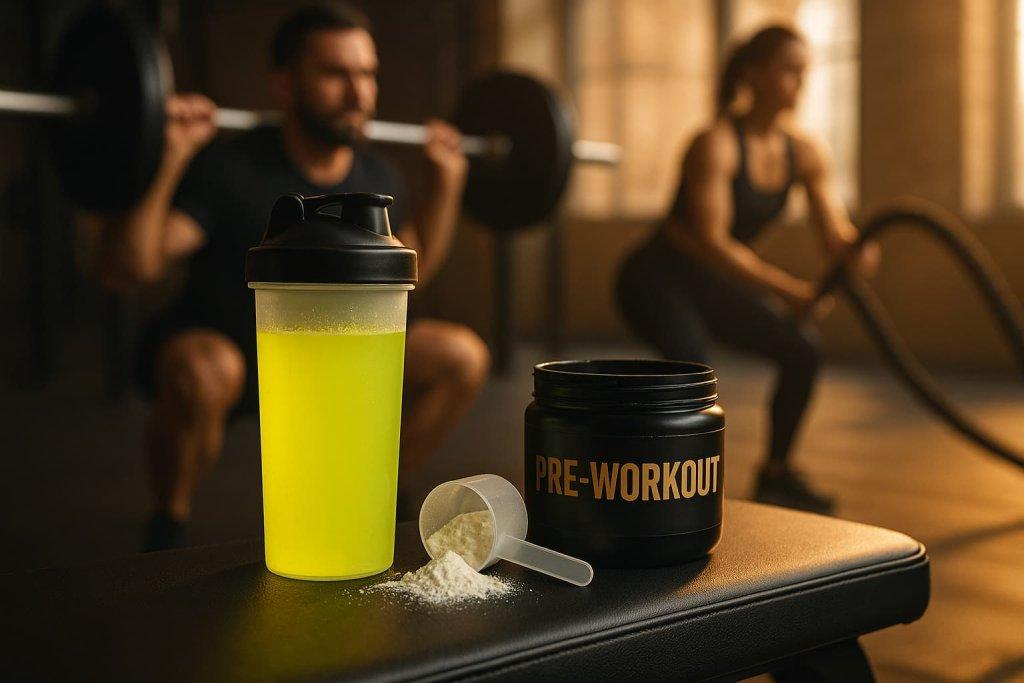
Pre-workout supplements can also contain considerably higher stimulant concentrations than consumers expect. Some formulations contain more than 12 times as much caffeine per fluid ounce as brewed coffee.
According to the American Heart Association’s 2026 scientific statement, consuming up to 400 milligrams of caffeine daily is generally considered safe for most healthy adults. However, individual tolerance and underlying health conditions can influence how caffeine affects the body.
What Should Consumers Know?
The findings highlight the importance of understanding caffeine intake from different sources. People who regularly consume energy drinks, coffee, tea and pre-workout supplements may unknowingly exceed recommended daily amounts.
Reading product labels and checking the total caffeine content can help consumers make more informed decisions.
People experiencing symptoms such as chest pain, unusual heart palpitations, fainting or a persistently rapid heartbeat should seek medical attention rather than assuming these symptoms are harmless effects of caffeine.
Healthcare professionals may also need to ask younger patients about their consumption of energy drinks and stimulant supplements when investigating unexplained cardiovascular symptoms.
Researchers Call for More Safety Monitoring
Despite the concerning findings, the research has important limitations. The analysis relied on voluntary reports submitted to the FDA, meaning researchers could not determine how many people consumed these products without experiencing health problems.
It also could not establish whether caffeine directly caused the reported emergencies or whether other medical and lifestyle factors contributed.
The research was presented as a scientific meeting abstract and has not yet undergone full peer review in a scientific journal.
Researchers therefore support more systematic monitoring and additional studies to understand the potential cardiovascular effects of stimulant-containing products.
What Comes Next?
Energy drinks and pre-workout supplements remain widely available, particularly among people seeking increased energy, concentration and exercise performance. However, their popularity makes it important to understand their possible health effects.
The latest findings do not establish that occasional energy drink consumption will cause a heart emergency. Instead, they identify a concerning pattern that deserves further scientific investigation.
As researchers continue examining the relationship between stimulants and cardiovascular health, consumers should pay closer attention to caffeine levels, product ingredients and their individual health circumstances.

I am Areesha, a 3rd-year International Relations student with a strong academic focus on Foreign Policy, International Law, History of International Relations, Non-State Actors, and Diplomacy & Statecraft. With a diverse internship background including HESCO, ISPR, and a current Research and Media Newsletter internship focused on Climate and Economy, I bring a unique blend of analytical thinking, research skills, and media understanding. I am passionate about translating complex global affairs into engaging, reader-friendly, and SEO-optimized content. My academic training in IR has equipped me with excellent research, critical analysis, and structured writing skills, which I now aim to apply in the field of SEO writing and digital content creation. Seeking an opportunity as an SEO Writer Intern where I can contribute with well-researched, impactful, and search-optimized content.