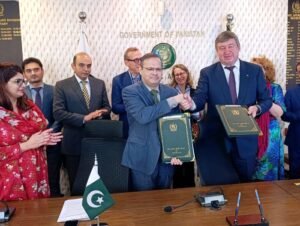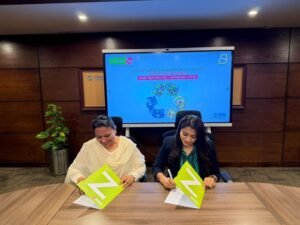
Islamabad (GNP): Ministry of National Health Services, Regulations & Coordination (NHSR&C) will convene the Pakistan Global Mental Health Summit 2026 on October 1-2 at Serena Hotel, Islamabad, timed to coincide with World Mental Health Day. The summit, themed “Building Climate-Resilient and Future-Ready Mental Health Systems for Children, Young People and Communities,” will be held with backing from major development partners.
Pakistan faces a significant burden of mental, neurological, and substance use disorders, with services remaining scattered, poorly resourced, and largely concentrated in major urban centers. Estimates suggest 10-16% of adults live with mild-to-moderate psychiatric conditions, with another 1-2% experiencing severe mental illness. Mental disorders rank as the top cause of years lived with disability nationwide — including in Punjab, Sindh, Balochistan, Gilgit-Baltistan, and Islamabad — and represent the leading driver of overall disability-adjusted life years among Pakistani women.
The gap in care remains stark: an estimated 80% or more of people with diagnosable mental illness receive no formal treatment in a given year. Roughly 500 psychiatrists and 200 clinical psychologists serve a population exceeding 240 million, while only about 1% of psychiatric hospital beds nationwide are allocated for children and adolescents.
Climate-related and disaster risks add further strain. Following the devastating 2022 floods, which impacted an estimated 33 million people, government assessments found that one in five residents in flood-affected areas would need mental health support. Baseline surveys in these communities found depression in 38% of those assessed and anxiety in 20%. The economic toll of mental illness was estimated at roughly PKR 617 billion in 2020.
The Ministry is also currently developing the National Mental Health Policy (NMHP) 2026-35 in consultation with provinces and regions, aiming to translate national commitments into concrete action at the provincial level — with the upcoming summit serving as a platform to advance this policy.
Dr. Malik Mukhtar Ahmad, Minister of State for NHSR&C, said mental health can no longer be treated as a private matter rather than a public responsibility, noting that mental illness has become the leading cause of years lived with disability in the country and must be placed at the center of health policy rather than its margins.
The summit will bring together federal and provincial governments, parliamentarians, UN agencies, national and international mental health experts, academic institutions, development partners, young people, civil society representatives, and individuals with lived experience of mental illness. Over two days, discussions will cover child and adolescent mental health — including the launch of the South Asia Child and Adolescent Mental Health Landscape Analysis — alongside suicide prevention, substance use, digital mental health innovation, and building climate-resilient mental health systems, including integrating mental health support into disaster-risk reduction and climate adaptation strategies.
Dr. Ahmad noted that while floodwaters eventually recede, their psychological impact lingers much longer, particularly among children, and said a truly future-ready health system must be prepared to address that lasting burden.
The summit is expected to strengthen political and institutional commitment to mental health, culminating in the adoption of the Islamabad Declaration on Mental Health and the identification of priority actions for equitable, community-based, climate-resilient services — including integrating mental health care into primary healthcare, schools, and disaster preparedness planning.
It will also aim to ensure meaningful inclusion of lived experience in policy-making, research, and service design, while mobilizing partnerships and investment from WHO, UNICEF, academic institutions, the global Pakistani diaspora, development partners, and philanthropic organizations in support of universal mental health coverage.
Also read: Pakistan International Auto Show 2026 Opens in Lahore
Dr. Ahmad emphasized that the gathering is not meant to produce another report destined for a shelf, but to secure concrete commitments on financing, workforce development, and service delivery at the community level — commitments the government intends to be held accountable to.

Sohail Majeed is a Special Correspondent at The Diplomatic Insight. He has twelve plus years of experience in journalism & reporting. He covers International Affairs, Diplomacy, UN, Sports, Climate Change, Economy, Technology, and Health.