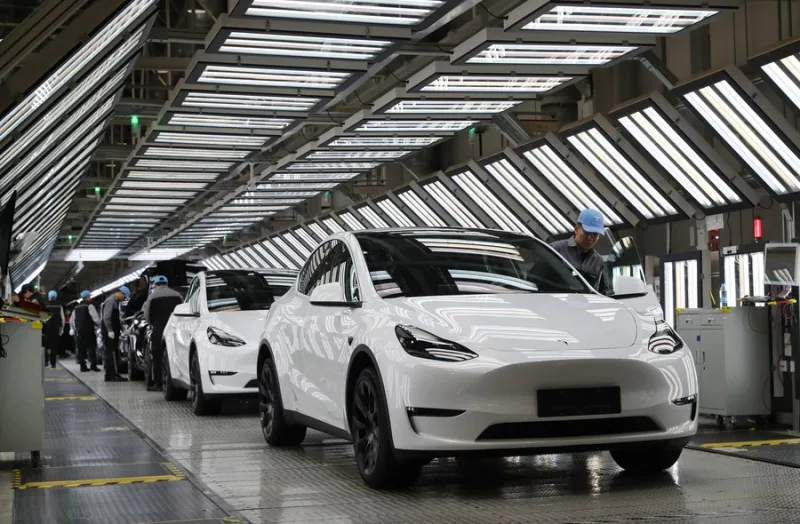
Beijing (GNP): Tesla is recalling nearly three million vehicles in China over safety concerns surrounding hidden door handles, as Chinese authorities intensify scrutiny of a design that has become widespread across the electric vehicle industry.
The recall covers around 2.98 million China-made and imported Model 3, Model Y, Model S and Model X vehicles, making Tesla the largest single participant in a broader industry-wide recall affecting roughly 4.3 million vehicles from several automakers.
Regulators’ concern centres on emergency mechanical door releases that can be difficult to identify or operate, particularly after a serious collision disables a vehicle’s electrical system, potentially delaying occupants trying to escape or rescuers trying to reach them.
Tesla popularised flush, electronically operated door handles that sit within a vehicle’s bodywork to create a streamlined appearance, a design later adopted widely across the EV sector. The approach has faced growing safety scrutiny following accidents in which electronic doors reportedly failed or occupants became trapped, prompting Chinese authorities to introduce tougher regulations covering door-opening mechanisms.
In response, Tesla plans to add warning labels identifying emergency releases, roll out software updates, and introduce a feature that automatically lowers vehicle windows following certain collisions.
The broader recall extends beyond Tesla to vehicles produced by Chinese manufacturers including Xiaomi, XPeng, Leapmotor and Geely brands, with Xiaomi recalling more than 390,000 vehicles and Leapmotor recalling more than 370,000. The scale of the action reflects the extent to which flush door handles have become a standard design feature across China’s electric vehicle market.
Also Read: Enhanced AI Functionality in Kaspersky Next to Improve Cyber Threat Detection
The recalls come ahead of new Chinese safety regulations set to take effect in 2027, under which fully concealed exterior door handles will be prohibited and vehicles will be required to carry more accessible mechanical systems so doors can still be opened during electrical failures or other emergencies.
Concerns over electronic door systems are not confined to China, as US regulators have also investigated Tesla’s door-latching systems following reports of doors becoming difficult to open, with authorities there weighing broader safety requirements for vehicle door mechanisms.
For Tesla, the recall places one of the design features it helped popularise at the centre of a widening international debate over whether aesthetic and technological innovation in electric vehicles has outpaced basic safety considerations during emergencies.