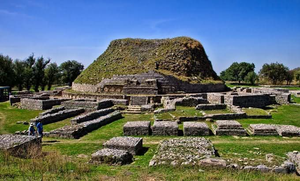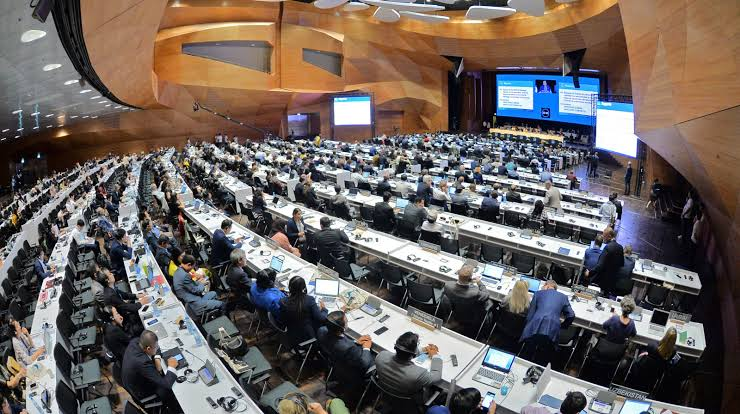
Geneva (GNP): The United Nations has highlighted the importance of the World Heritage Convention in protecting some of the world’s most valuable cultural and natural sites, emphasizing the shared responsibility of the international community to preserve humanity’s heritage for future generations.
United Nations Geneva attention was drawn to the World Heritage Convention as a global framework for safeguarding sites that hold exceptional cultural, historical and natural significance.
From the ancient remains of Machu Picchu in Peru to the vast ecosystems of the Serengeti, the convention has helped establish an international commitment to protecting places considered part of the common heritage of humanity.
Adopted by UNESCO in 1972, the Convention concerning the Protection of the World Cultural and Natural Heritage recognizes that certain cultural and natural sites possess outstanding universal value.
It encourages countries to identify, protect and preserve important heritage within their territories while promoting international cooperation in conservation.
The convention represents an important connection between cultural preservation and environmental protection.
Rather than treating historical monuments and natural landscapes as separate concerns, the framework recognizes the importance of protecting both cultural achievements and the natural environments that sustain communities and ecosystems.
Machu Picchu, for example, is recognized by UNESCO as a mixed cultural and natural World Heritage property, reflecting both its archaeological importance and its surrounding natural environment.
The Historic Sanctuary of Machu Picchu was inscribed on the World Heritage List in 1983.
The World Heritage Convention also emphasizes that the responsibility for protecting globally significant sites extends beyond national borders.
While individual states remain responsible for heritage located within their territories, the convention promotes cooperation among countries to ensure that sites of outstanding universal value are protected from destruction, deterioration and other threats.
Heritage sites face a range of challenges, including environmental degradation, uncontrolled development, climate related pressures, conflict, natural disasters and inadequate conservation resources.
International cooperation therefore remains essential to maintaining sites that represent centuries of human history and the planet’s natural diversity.
The convention has also created mechanisms through which countries can work together on conservation, technical expertise and financial assistance.
Its framework supports the identification of sites, conservation planning and international assistance where necessary.
Also Read: Russia and Pakistan Advance Freight Rail Plans
The United Nations’ message reinforces the idea that World Heritage is not simply about preserving old buildings, archaeological remains or beautiful landscapes.
It is also about preserving collective memory, cultural identity and the natural environments that connect present generations with those who came before them.
The World Heritage Convention continues to serve as a symbol of international cooperation.
By bringing countries together around a common responsibility, it seeks to ensure that places of exceptional cultural and natural value remain protected and accessible for generations to come.
The protection of World Heritage therefore remains both a national responsibility and a global commitment.
As the international community faces increasing environmental, social and political pressures, safeguarding humanity’s shared heritage remains essential to preserving the diversity, history and identity of the world for the future.