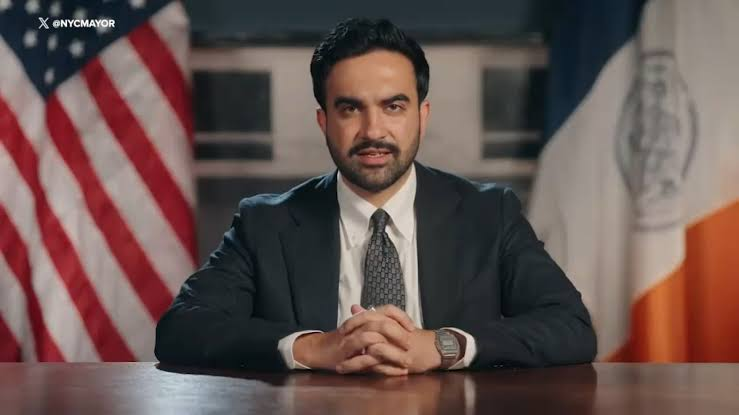
WASHINGTON (GNP): Netanyahu’s crimes have once again become the focus of international discussion after New York City mayoral candidate Zohran Mamdani publicly described Israeli Prime Minister Benjamin Netanyahu as a war criminal, reigniting global debate over accountability and international humanitarian law.
Mamdani’s comments came amid continuing international concern over the humanitarian situation in Gaza and the ongoing Israel-Hamas conflict. In his statement, he accused Netanyahu of being responsible for policies and military operations that have caused significant civilian suffering. The video received millions of views within hours, reflecting the intense global interest in the issue.
The statement immediately sparked political controversy. Supporters of Mamdani argued that international humanitarian law requires accountability for alleged violations committed during armed conflicts, regardless of the position held by political leaders. They pointed to investigations and legal proceedings initiated by international institutions as evidence that such allegations deserve serious consideration.
Critics, however, strongly rejected the accusation, describing it as politically motivated and prejudicial. Israeli officials and Netanyahu’s supporters maintain that Israel’s military actions are conducted in self-defense against Hamas following attacks on Israeli civilians. They argue that the country’s armed forces operate under international legal standards while attempting to minimize civilian casualties in a complex urban battlefield.
The debate also highlights the growing role of international law in modern conflicts. Under the Geneva Conventions and the Rome Statute of the International Criminal Court (ICC), individuals may be investigated for alleged war crimes if there is sufficient evidence that serious violations of international humanitarian law have occurred. However, determining criminal responsibility is a legal process carried out by independent judicial institutions rather than by political figures or public opinion.
The International Criminal Court has previously announced legal proceedings involving senior Israeli and Hamas officials, drawing global attention to questions of accountability and justice. These developments have intensified discussions over how international law should be applied during ongoing conflicts and whether global institutions possess sufficient authority to enforce their decisions.
Also Read (Global News Pakistan): Kazakhstan reaffirmed economic ties with Pakistan
The latest controversy also demonstrates how social media platforms have become influential arenas for international political discourse. Statements made by elected officials can rapidly reach millions of people, shaping public opinion and influencing diplomatic conversations across different countries. At the same time, viral political content often increases polarization, with competing narratives spreading simultaneously.
Analysts believe that Mamdani’s remarks may have diplomatic implications beyond domestic American politics. The United States remains one of Israel’s closest allies, while many governments continue to call for humanitarian relief, ceasefire efforts, hostage releases, and renewed negotiations toward a lasting peace. Public criticism from prominent American political figures therefore attracts significant international attention.
Human rights organizations continue to call for impartial investigations into all alleged violations committed during the conflict, emphasizing that civilians must remain protected under international humanitarian law. Many experts argue that accountability mechanisms should apply equally to every party involved, ensuring that justice is based on credible evidence rather than political considerations.
As the conflict continues, debates surrounding Benjamin Netanyahu War Criminal allegations are expected to remain a significant issue in global politics. Whether discussed in international courts, diplomatic forums, or public debate, the controversy reflects broader questions about accountability, humanitarian protection, and the enforcement of international law during modern armed conflicts.