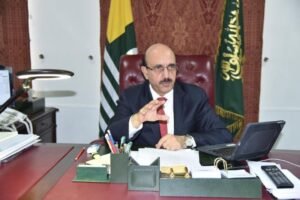
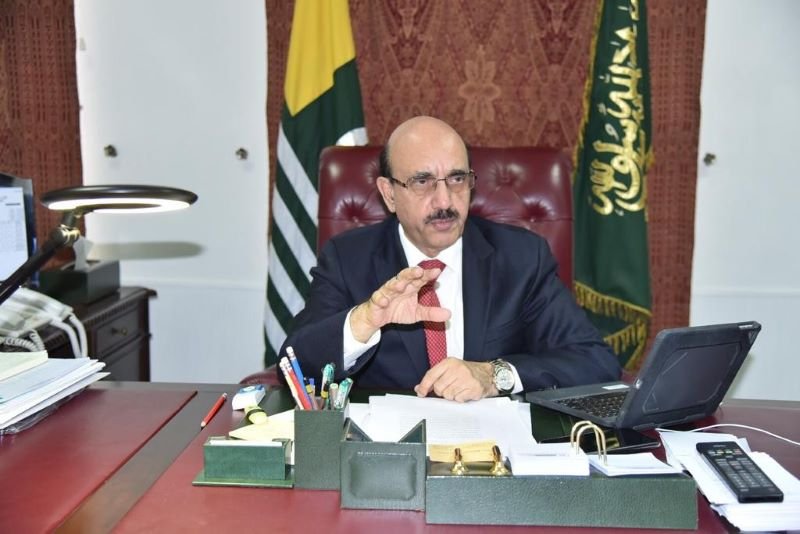
Islamabad (GNP): Neither the United States nor Iran wants the war to continue, and the ongoing diplomatic efforts provide an opportunity to move towards a negotiated settlement, said Sardar Masood Khan, Former Ambassador of Pakistan to the United States, China and the United Nations, and former President of Azad Jammu and Kashmir.
Sardar Masood Khan said Iran had rejected some of the claims being made by the United States regarding the movement of tankers, but had not refused to continue negotiations. He noted that Qatar remained particularly active in facilitating the process and that an Iranian proposal, in a modified form, was expected to be discussed again in the coming days.
He said the negotiations should not be viewed merely as an attempt to buy time. According to him, both Washington and Tehran face significant pressures and have reasons to seek an end to the conflict. He noted that President Trump had indicated that any eventual agreement would come after the US midterm elections, while preparations for such an understanding were already underway.
Sardar Masood Khan said the most difficult issues would involve the terms of economic relief sought by Iran, including the release of frozen Iranian assets and the removal of economic sanctions. He observed that the United States could seek to address some of these issues through intermediaries, particularly Qatar, rather than directly providing concessions.
Discussing the US naval blockade and wider economic pressure on Iran, he said Washington was employing a multi-pronged strategy. Alongside the naval measures, he referred to successive sanctions aimed at restricting Iran’s access to the international financial system, aviation and other economic channels. He said these measures were having a significant negative impact on Iran’s economy and the wellbeing of its people.
Sardar Masood Khan said the naval blockade remained an important instrument of pressure because restrictions around the Strait of Hormuz could affect international energy markets and contribute to increases in oil and gas prices. He observed that the United States was unlikely to remove such measures completely until the negotiations reached a substantive conclusion.
Also read: UN General Debate Ends With Push To Restore Global Trust
He said the regional situation remained difficult, but diplomatic space continued to exist. Referring to Iranian Foreign Minister Abbas Araghchi’s position, he said Iran had indicated that it was prepared both for diplomacy and for defence in case of further attack. He also noted Iran’s emphasis that Yemen’s affairs should be resolved by Yemen itself and that outside interference should be avoided.
Sardar Masood Khan stressed that continued negotiations, de-escalation and diplomatic engagement remained essential to prevent further deterioration of the regional situation and create conditions for a sustainable political settlement.

Sohail Majeed is a Special Correspondent at The Diplomatic Insight. He has twelve plus years of experience in journalism & reporting. He covers International Affairs, Diplomacy, UN, Sports, Climate Change, Economy, Technology, and Health.