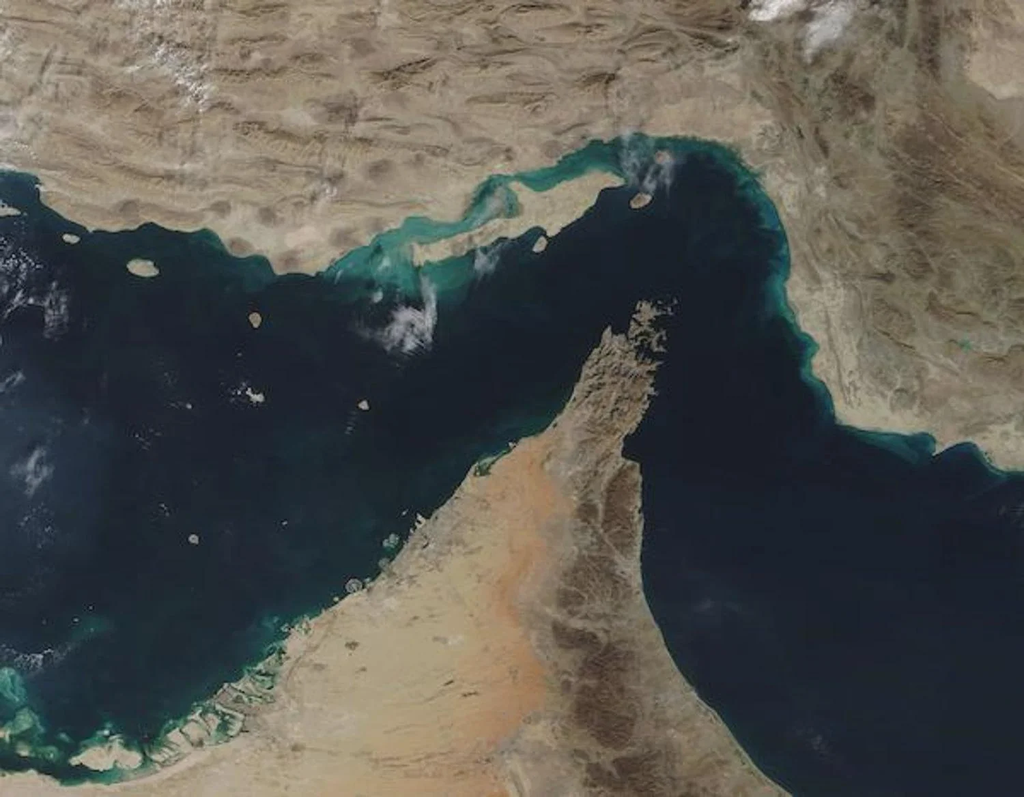
Washington (GNP): The United States and Iran are expected to hold talks this week, President Donald Trump said, shortly after he turned down a Tehran proposal to reopen the Strait of Hormuz in exchange for an end to hostilities across the Middle East. The announcement offers a possible way out of a standoff that has kept the strategic waterway at the centre of the dispute.
Trump said his negotiators would engage their Iranian counterparts over the next few days, apparently to break the stalemate. He argued that Iran was losing badly, which was why it wanted a deal, and added that he also liked making deals.
The rejected proposal was announced by Iran last week at the United Nations (UN) General Assembly in New York and, according to Tehran, was passed to Washington through Qatari mediators. It called for a halt to all hostilities in the region, including in Lebanon, and a return to the terms of a ceasefire agreement that collapsed a few months ago. Under that earlier deal, Iran’s frozen assets would be released, sanctions on its oil lifted and the US naval blockade ended.
Those terms are exactly what Washington objects to. US ambassador to the UN Mike Waltz described the offer as a cynical attempt to table something Tehran knew was unacceptable, saying Iran was demanding too much simply to return to negotiations. A US media report citing unnamed officials added that Trump was privately sceptical Iran would meet his demands and saw a renewed bombing campaign as likely after the November midterm elections.
Also Read: Pakistan Chose Peace Over War; PM Calls for Kashmir, Palestine Resolution
Tehran’s response has been measured but firm. Foreign Minister Abbas Araghchi said Iran had never closed the door to diplomacy but would not capitulate, and that any move to reopen the strait depended on its conditions being met. He also said the mediators had not officially conveyed a US rejection, and that Iran was waiting for their definitive views before deciding its next step.
Military rhetoric has hardened alongside the diplomacy. Army spokesperson Mohammad Akraminia warned that the US would suffer greater damage if it attacked Iran again, while the Islamic Revolutionary Guard Corps (IRGC) claimed to have seized a US Remus 600 submarine drone in the strait, saying it was being used for espionage. The Pentagon denied the claim. Army Commander-in-Chief Amir Hatami called the war critical and decisive, adding that Tehran would not accept being unable to trade while foreign powers use the region’s waterways.
With both sides holding to their positions, the coming days will show whether the planned talks can narrow the gap over Hormuz. Araghchi said, “Only a negotiated solution can get them out of this deadlock.”

Managing Editor at Global News Pakistan (GNP), with a Bachelor's degree in International Relations from Riphah International University, graduated with a Gold Medal. Reach out at sabahtareengnp@gmail.com