Islamabad (GNP): UNFPA welcomes the steps the Government of Pakistan is taking to strengthen its national population and development agenda. Recent fiscal, legislative, and institutional reforms reflect a growing commitment to the health, rights, and well-being of the people of Pakistan, especially women and young people. Press Statement by Dr. Luay Shabaneh, UNFPA Representative in Pakistan.
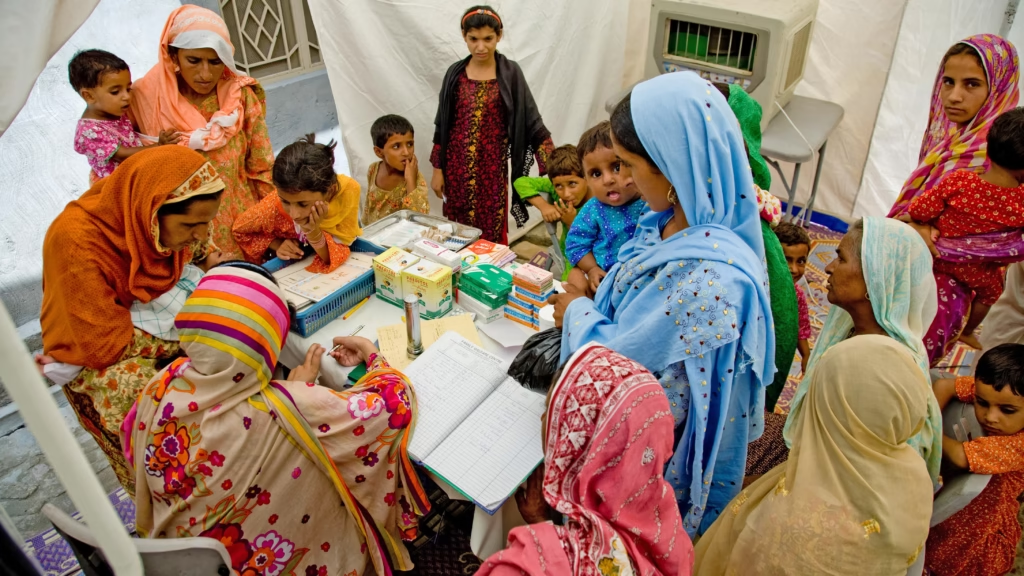
UNFPA particularly commends the government’s decision to remove all taxes on contraceptives and menstrual hygiene products. This landmark fiscal move lowers the cost of essential reproductive health supplies, especially for the marginalized communities, and has the potential to improve access to family planning, improve maternal health outcomes, and support informed reproductive choices.
Pakistan has also made notable progress on its legal and institutional framework. Efforts to advance Child Marriage Restraint legislation, including setting 18 years as the minimum legal age of marriage for girls, represent an important step for the rights of adolescents. Along with initiatives for stronger protections against sexual violence and continued progress on the Reproductive Health Bill, these measures help build a safer environment for women, girls, and other vulnerable groups.
At the institutional level, the establishment of the National Population Council under the chair of Prime Minister and including Chief Ministers is a significant step toward better coordination on population and development issues.
The Council brings together key government institutions, including the Ministry of National Health Services Regulation and Coordination and the Ministry of Planning, Development and Special Initiatives. It offers a platform for a whole-of-government approach that can help ensure demographic issues are effectively addressed across federal and provincial governments and embedded in national planning and sustainable development efforts.
Also Read: Water availability shrinks as the Investment Gap increases in Pakistan, UN reports
Looking ahead, UNFPA welcomes ongoing discussions on using the National Finance Commission (NFC) framework as a tool to support inclusive population management and human development goals. Linking provincial incentives to demographic and social outcomes could encourage more equitable progress nationwide while strengthening accountability for results.
While these developments are promising, continued progress will require continued investment and coordination across sectors.
UNFPA encourages the government to keep expanding access to family planning and reproductive health services, strengthen the implementation of protective legislation, invest in adolescent girls and young people, and fully integrate population issues into national and provincial planning. Long-term progress depends on predictable domestic financing for population and reproductive health programmes.
UNFPA remains a committed partner to the Government of Pakistan and stands ready to provide technical and strategic support to help turn these policy gains into lasting improvements in people’s lives.

Sohail Majeed is a Special Correspondent at The Diplomatic Insight. He has twelve plus years of experience in journalism & reporting. He covers International Affairs, Diplomacy, UN, Sports, Climate Change, Economy, Technology, and Health.