UN (GNP): The United Nations has called for a more inclusive and cooperative approach to governing artificial intelligence (AI), emphasizing that the technology should serve all of humanity rather than the interests of only a few countries or companies.
The appeal was made during the World Artificial Intelligence Conference (WAIC) 2026, where world leaders, policymakers, and technology experts gathered to discuss the future of AI and its global impact.
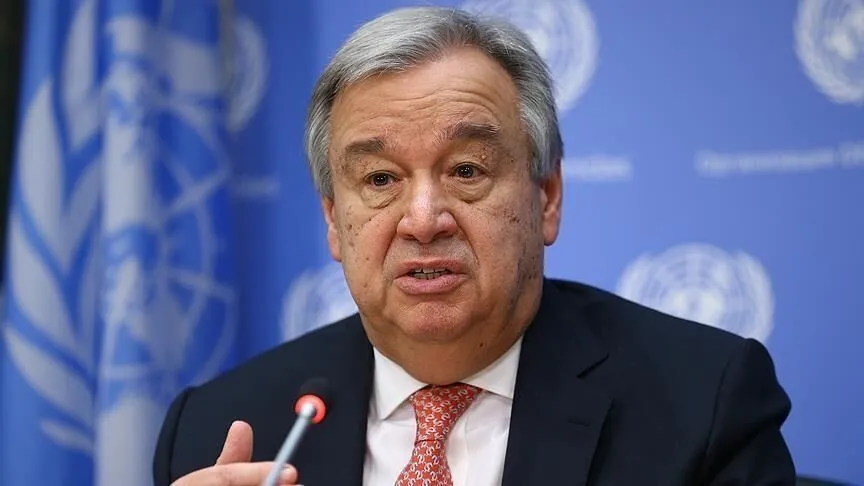
Addressing the conference, UN Secretary General António Guterres highlights that artificial intelligence is rapidly becoming one of the most influential technologies of the modern era.
He warned that decisions made today about AI development and regulation will shape the future of societies, economies, and global security for decades to come.The Secretary-General emphasized that AI governance must be based on international cooperation and equal participation.
He stated that no single country or a small group of technology companies should determine how artificial intelligence is developed or used. Instead, every nation should have a seat at the table to ensure that AI policies reflect the interests and needs of the entire global community.
The United Nations highlighted that artificial intelligence has enormous potential to improve healthcare, education, scientific research, disaster response, agriculture, and economic development.
AI-powered technologies are already helping doctors diagnose diseases more accurately, assisting farmers in increasing crop production, and supporting researchers in solving complex scientific challenges.
These innovations can improve the quality of life for millions of people if they are developed and used responsibly.However, the UN also acknowledged the growing risks associated with AI.
Concerns like as misinformation, cybercrime, algorithmic bias, privacy violations, job displacement, and the misuse of advanced technologies continue to raise serious questions among governments and experts worldwide.
Without proper safeguards, these challenges could increase inequality and create new threats to international peace and security.To address these concerns, the United Nations called for transparent, ethical, and human centered AI governance.
The organization believes that international standards should protect human rights, promote fairness, ensure accountability, and encourage innovation while minimizing potential harm.
Strong cooperation between governments, technology companies, academic institutions, and civil society organizations will be essential to achieving these goals.
The UN also stressed the importance of supporting developing countries so they are not left behind in the rapidly evolving digital economy. Many nations still face limited access to digital infrastructure, technical expertise, and AI resources.
By encouraging knowledge sharing, investment, and international partnerships, the global community can help ensure that the benefits of artificial intelligence are distributed more equally.
Also Read: Uzbekistan and Belarus: A New Stage of Strategic Cooperation in Vocational Education
Experts attending the conference agreed that AI should remain a tool that supports humanity rather than replacing human judgment in critical decisions. Responsible innovation, combined with effective regulation, can help maximize the advantages of AI while reducing potential risks.
As artificial intelligence continues to transform industries and everyday life, the United Nations reaffirmed its commitment to promoting global dialogue and cooperation on AI governance.
The organization believes that building an inclusive international framework today will help create a future where artificial intelligence contributes to sustainable development, economic growth, scientific progress, and improved quality of life for people around the world.
The UN concluded that the future of artificial intelligence should be shaped through cooperation, shared responsibility, and respect for human rights. By working together, countries can ensure that AI remains a force for innovation, peace, and sustainable development, benefiting both present and future generations.