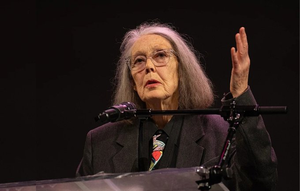
Austin (GNP): Tesla Cybercab took center stage at the National Federation of the Blind Annual Convention in Austin, where the company showcased several accessibility features designed to improve mobility for blind and visually impaired passengers. The demonstration reflected Tesla’s continued efforts to make autonomous transportation more inclusive by incorporating practical design elements that support passengers with different accessibility needs.
The event offered convention participants an opportunity to experience the Tesla Cybercab firsthand and explore how the vehicle has been designed to accommodate individuals with visual impairments. Company representatives highlighted several accessibility features intended to make travel safer, more comfortable, and easier for passengers who rely on assistive technologies or service animals.
One of the most notable features presented during the demonstration was the use of Braille lettering on physical controls inside the Tesla Cybercab. The Braille markings are designed to help blind and visually impaired users identify essential controls independently, making it easier to interact with the vehicle without requiring assistance from others.
Tesla also demonstrated how the Tesla Cybercab provides dedicated space for service animals and personal assistive devices. This feature aims to ensure that passengers traveling with guide dogs or mobility equipment have sufficient room throughout their journey. The design reflects growing recognition of the importance of accommodating assistive resources within future transportation systems.
Another accessibility improvement showcased during the event was wheelchair height seating, which has been designed to simplify transfers for passengers with mobility challenges. By reducing the difference in height between a wheelchair and the vehicle seat, Tesla hopes to make entering and exiting the Tesla Cybercab more convenient while improving overall passenger comfort and independence.
According to information shared during the convention, the accessibility demonstration forms part of Tesla’s broader commitment to developing autonomous vehicles that can be used by a wider range of people. Industry experts increasingly recognize that accessibility should remain an essential consideration as self driving technology continues to evolve and expand into public transportation networks.
The National Federation of the Blind Annual Convention provided an important platform for gathering feedback directly from blind and visually impaired users. Hands on demonstrations allowed attendees to evaluate the Tesla Cybercab’s accessibility features and offer practical suggestions that could contribute to future improvements. Such engagement is expected to help manufacturers better understand the everyday transportation challenges faced by people with disabilities.
Accessibility advocates have welcomed efforts by technology companies to incorporate universal design principles into emerging mobility solutions. Features such as tactile controls, accessible seating arrangements, and accommodation for service animals can help remove barriers that have historically limited transportation options for many individuals with disabilities. Experts believe these innovations can contribute to greater independence and improved quality of life.
As autonomous vehicle technology continues to advance, manufacturers are placing greater emphasis on safety, usability, and inclusive design. Tesla’s latest demonstration illustrates how accessibility considerations can be integrated into next generation transportation systems from the earliest stages of development. Industry observers believe that collaboration with disability organizations will remain important in refining these technologies before wider public deployment.
Also read: Senate Committee Reviews Electric Vehicle Policy
The Tesla Cybercab presentation at the National Federation of the Blind Annual Convention highlighted the growing role of accessible innovation within the future of transportation. By introducing features designed specifically for blind, visually impaired, and mobility impaired passengers, Tesla aims to promote more inclusive travel experiences. As autonomous mobility continues to develop, accessibility is expected to remain a key priority in creating transportation solutions that serve people of all abilities.