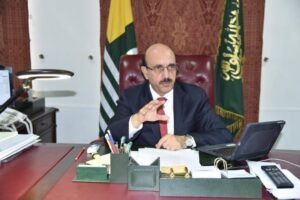
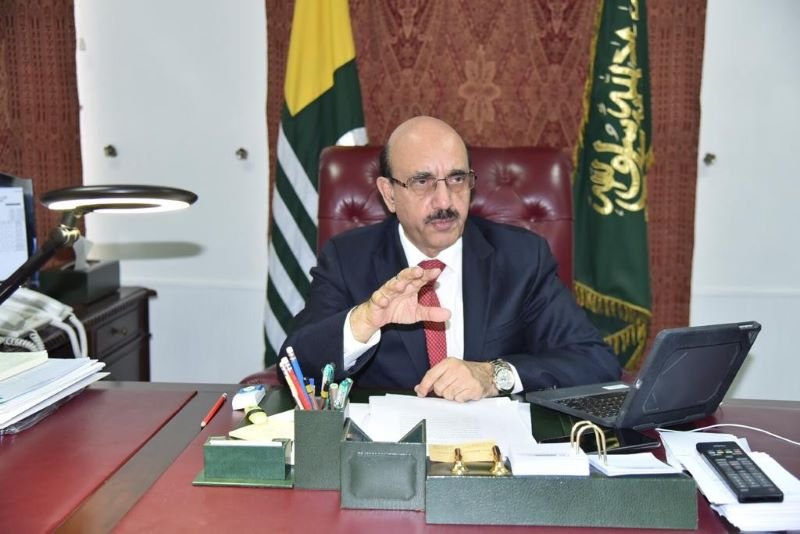
Pakistan’s demand that Afghanistan take verifiable and decisive action against terrorism before the restoration of border crossings and transit trade is not new, but remains the central condition for normalising relations between the two countries, said Sardar Masood Khan, Former Ambassador of Pakistan to the United States, China and the United Nations, and former President of Azad Jammu and Kashmir.
Sardar Masood Khan said Pakistan had consistently raised the issue since 2021 and had invested heavily in bilateral diplomacy, later involving China, Qatar and Türkiye, to persuade the Afghan authorities to prevent Tehreek-e-Taliban Pakistan (TTP) and affiliated groups from using Afghan territory against Pakistan. He said the same demand remained valid five years later: Afghan soil should not be allowed to serve as a base for attacks against Pakistan.
He said any restoration of transit trade and broader bilateral relations would require a credible understanding followed by concrete and verifiable action. According to him, the Afghan authorities would need to end financial, logistical and operational support to TTP and prevent the group from using Afghan territory for training and attacks. He added that such commitments could be verified through Pakistani intelligence capabilities and, where appropriate, joint monitoring mechanisms.
Sardar Masood Khan said previous assurances had not produced the required confidence, including proposals for relocating TTP operatives and statements condemning attacks against Pakistan. He argued that future arrangements must therefore be supported by a written agreement, clear commitments and measurable implementation. The United Nations has also reported that TTP operates from Afghan territory and that attacks against Pakistan have contributed to cross-border tensions and disruptions in bilateral trade.
He described TTP as a major security concern for Pakistan and said the wider presence of terrorist organisations in Afghanistan had implications beyond Pakistan. United Nations reporting has identified TTP, Al-Qaida and other terrorist groups as operating in Afghanistan, while noting that TTP attacks against Pakistan had increased and that the group had been accorded greater liberty and support by Afghanistan’s de facto authorities.
Sardar Masood Khan also expressed concern over Afghanistan becoming a potential hub for transnational terrorism. He said the consequences could affect Pakistan, China and Central Asian states and stressed that Afghanistan’s own people were suffering from instability, economic weakness and humanitarian difficulties.
He emphasised that Pakistan had no interest in interfering in Afghanistan’s internal affairs and expressed solidarity with the Afghan people, saying the destinies of the two peoples were intertwined. He called for misunderstandings between the two countries to be removed and for a framework of cooperation to be developed.
Also read: ICHPERE 2026 Focus on Context-Responsive Health Education
He said improved Pakistan-Afghanistan relations could eventually open opportunities for economic connectivity, including Afghanistan’s participation in the China-Pakistan Economic Corridor and the development of a regional trade artery linking Russia and Central Asia with Pakistan and the Arabian Sea. “Afghanistan would prosper,” he said, stressing that the potential of the Afghan people should not be denied by their rulers.

Sohail Majeed is a Special Correspondent at The Diplomatic Insight. He has twelve plus years of experience in journalism & reporting. He covers International Affairs, Diplomacy, UN, Sports, Climate Change, Economy, Technology, and Health.